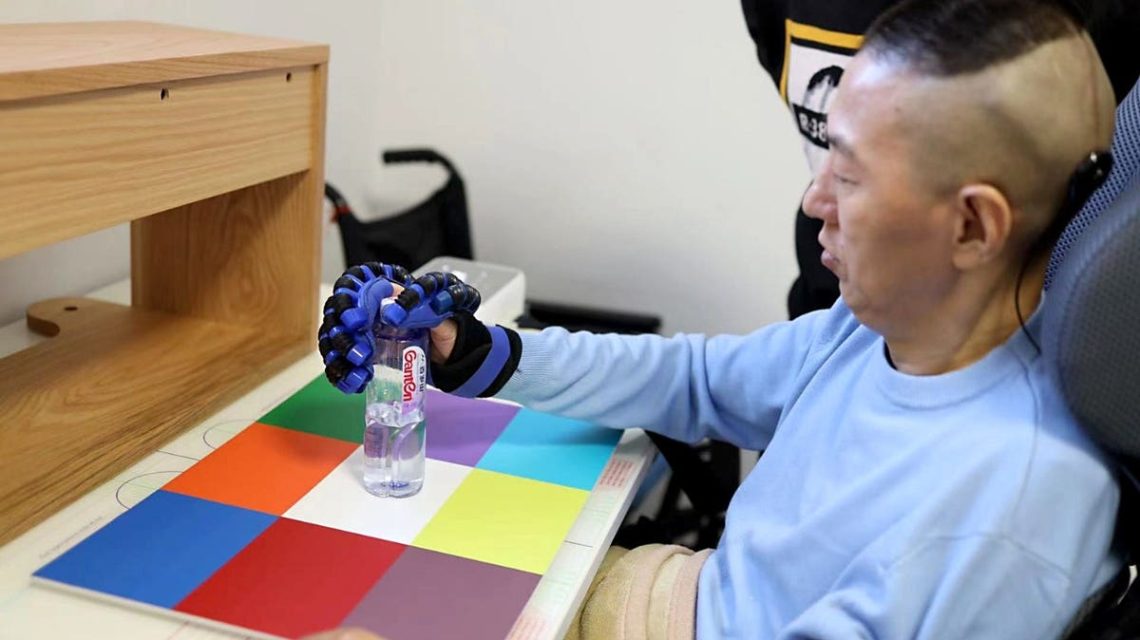
China has authorized the world’s first commercial brain chip, marking a major technological achievement but also raising privacy concerns. The brain-computer interface, known as NEO, was developed by researchers at Tsinghua University and the Shanghai-based company Neuracle Technology. This device has moved from research labs to potential real-world medical use, specifically for patients with paralysis caused by spinal cord injuries.
NEO offers a less invasive design compared to other brain implants. Placed on the brain’s protective outer layer rather than piercing the tissue, it reduces surgical risks. This innovation opens new possibilities for patients who have lost movement, giving them a chance to regain some autonomy.
“If a brain chip can turn brain signals into digital commands, questions about data control and protection arise.”
The approval of NEO reflects China’s ambition to integrate brain-computer interface technology into its healthcare system. It aligns with China’s broader goal to become a leader in brain technology by 2030. The chip’s design positions electrodes on the dura mater, reducing the invasiveness compared to Elon Musk’s Neuralink, which utilizes threads that penetrate the brain’s cortex.
The Impact and Concerns
The World Health Organization notes that over three billion people worldwide suffer from neurological disorders, including conditions like stroke and Parkinson’s disease. Brain-computer interfaces like NEO promise potential improvements in patient welfare.
Audrey Crews, a Neuralink trial participant, shares how the technology enabled her to write her name through digital communication. Such advancements highlight the life-changing benefits possible for patients.
However, privacy concerns cannot be ignored. Brain-computer interfaces collect sensitive neural data, raising questions about data ownership and potential misuse. The technology invites concerns over whether this information could be shared or even demanded by insurers, employers, or governments.
Cybersecurity and Long-term Considerations
From a cybersecurity standpoint, the stakes are high. Brain-computer interfaces connecting to external devices present potential vulnerabilities. Securing these systems is crucial, as unauthorized access to neural data or device settings could jeopardize user safety and independence.
Companies developing these technologies must prioritize encryption and stringent access controls. Ongoing support and updates are essential to keep the implants safe and effective over time.
Future Implications
As of now, brain chips like NEO target patients with critical needs. Nonetheless, the broader implications necessitate careful scrutiny. These devices could yield substantial medical benefits but come with serious privacy and security considerations. Protecting neural data is imperative to prevent unintended consequences.
China’s approval of NEO signifies a pivotal moment in medical innovation. Advances in this field can bring unprecedented benefits if accompanied by robust data protection measures.
 Infections Linked to 1 in 8 Cancer Cases Globally, Study Finds
  Cancer Concerns Rise Among Iowa Voters Due to Environmental Factors
  Choosing the Right Mouthwash for Braces
  Rising ObamaCare Premiums and Enrollment Challenges
  Christina Applegate Faces Misdiagnosis of Multiple Sclerosis
  Christina Applegate’s Health Struggles and Misdiagnosis of MS