
Understanding Social Security’s Promise
Every paycheck for Gen Z comes with a commitment to pay Social Security taxes now in exchange for future retirement income. However, recent projections reveal that Social Security faces significant funding challenges. The retirement trust fund may deplete its reserves by 2032, long before most Gen Z members retire. Though Social Security won’t disappear or stop payments, benefits could be reduced unless Congress intervenes. Finance expert Michael Ryan highlights the realistic risk of smaller benefits, different retirement ages, higher taxes, or a combination of these changes.
Current Contributions and Future Challenges
Gen Z workers currently finance benefits for today’s retirees, with employees paying a 6.2% Social Security tax on earnings up to $184,500 and employers matching that amount. Self-employed workers face a combined 12.4% rate. Social Security operates on a pay-as-you-go basis, utilizing current worker taxes to fund current benefits. An increasing number of beneficiaries surpasses the workforce supporting them. The uncertainty of program changes in taxes, retirement age, or benefits during Gen Z’s working life presents a challenge, according to Ryan.
Outlook on Scheduled vs. Payable Benefits
In 2032, payroll taxes will remain, ensuring Social Security’s continuation. Even without Congress saving full benefits, incoming revenue will cover most scheduled payments. Understanding the difference between ‘scheduled’ and ‘payable’ benefits is crucial. Scheduled benefits follow current formulas, while payable benefits are limited to current law revenue. The 2026 Social Security Trustees Report projects Social Security to fund less than promised under current law, but changes could prevent major cuts.
Potential Modifications and Solutions
The Old-Age and Survivors Insurance Trust Fund is expected to provide full benefits until late 2032, covering 78% of scheduled OASI payments afterward. Gen Z faces burdens such as higher education costs, housing challenges, and potential future tax increases, notes Kevin Thompson of 9i Capital Group. Solutions to the funding gap include raising payroll-tax revenue, modifying taxed earnings, adjusting benefit formulas, or changing retirement ages. Ryan emphasizes timely congressional action for gradual, manageable changes.
Strategic Retirement Planning for Gen Z
Finance experts advise Gen Z to consider Social Security as part of retirement income instead of relying on it wholly. Drew Powers of Powers Financial Group suggests Gen Z will have Social Security, albeit different from today. Building an emergency fund and consistently saving strengthens financial security later. Starting early with savings allows significant growth over time. Investing $250 monthly from age 22 to 67, assuming a 6% annual return, compounds to around $735,000, covering retirement costs for about 12 years without other income.
Advisory for Future Financial Security
Alex Beene suggests Gen Z continue investing in alternatives like 401ks or Roth IRAs to offset potential Social Security reductions. Though the program’s survival depends on possible benefit cuts, tax increases, and higher retirement ages, Social Security should still provide partial income. Changes in benefits may alter Gen Z’s retirement compared to their predecessors. Current legislative inaction means Gen Z should plan for savings as a supplement. Longer work periods to secure full benefits are possible, warns Thompson.
 Mayor Mamdani’s Meeting with President Trump to Address NYC Issues
  Trump’s Proposed Triumphal Arch in Washington, D.C.
 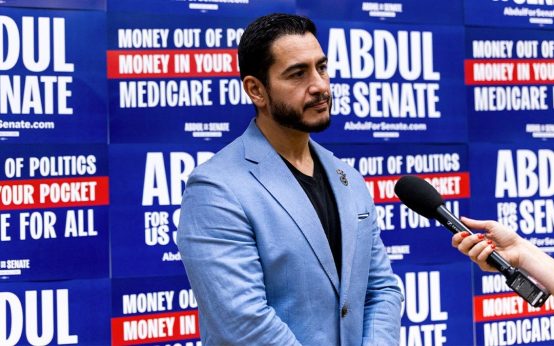 Concerns Raised Over Michigan Senate Candidate Abdul El-Sayed’s Potential Access to Classified Information
  Protesters Rally Against Kennedy Center Plans
  Trump’s Ban on Media Outlets: CNN, MS NOW, and Politico
  Challenges Faced by House Republicans in Passing Legislation