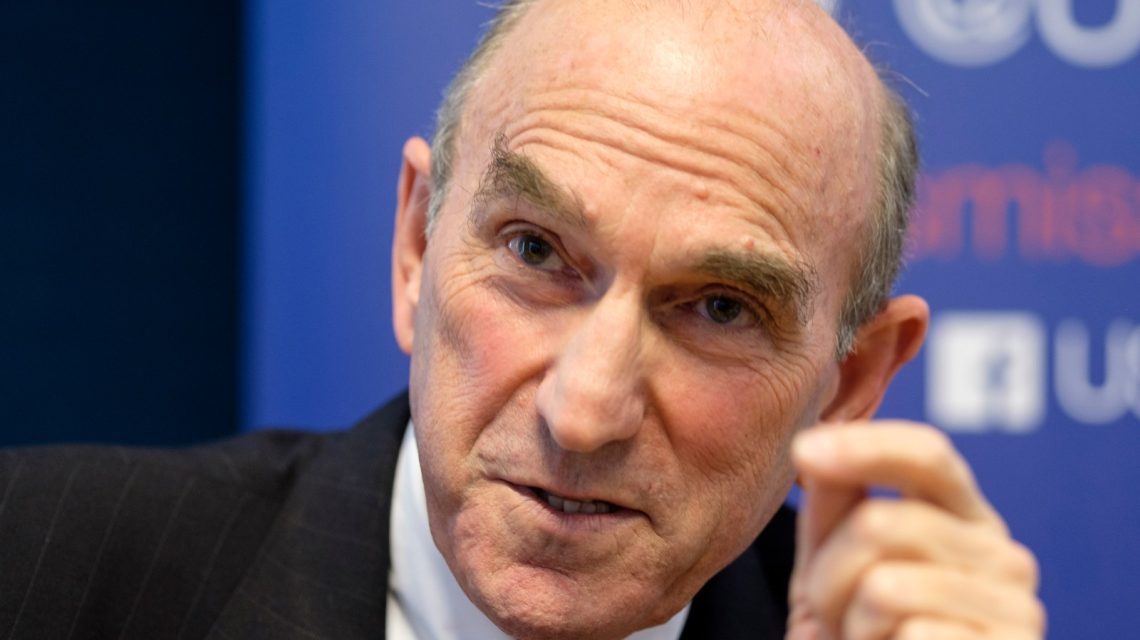
Elliott Abrams, a key figure in the Trump administration’s initial strategy on Venezuela, has shifted from being a supporter to a critic of newer policies. Originally, Washington backed Juan Guaidó as acting President and sought to remove Nicolás Maduro. Nine months post-Maduro’s ousting, Abrams has spoken against a recent oil agreement with Venezuela.
In a recent Washington Post op-ed, Abrams called the new oil agreement with Venezuela’s interim government a “shameful sellout.” This deal grants North American Blue Energy Partners (NABEP), led by Venezuelan businessman Alejandro Betancourt, rights to lucrative oil fields. In return, the U.S. gains certain purchasing rights but critics argue the arrangement may fortify interim President Delcy Rodríguez’s position.
The agreement has sparked controversy due to Betancourt’s past associations with former leaders Hugo Chávez and Maduro. He also faces legal challenges in Europe over alleged money laundering. NABEP will control substantial oil reserves through this deal.
The State Department defends the deal by highlighting Betancourt’s experience despite his contentious history.
Abrams discussed these developments with Newsweek. He expressed concerns that Venezuela’s political transition is being delayed or squandered, blaming key figures including Delcy and Jorge Rodríguez, and former U.S. President Donald Trump.
According to Abrams, the Trump administration’s approach has shifted. Previously supportive of pro-democracy actions in Venezuela, current policies seem more focused on stability and oil interests rather than democratic advancement.
Senator Marco Rubio, a former critic of the Venezuelan regime, appears to have softened his stance, a move Abrams deems risky due to association with questionable partners. The involvement of Betancourt—with a past rooted in dealings with the Chávez-Maduro regime—raises concerns about the U.S.’s choice of alliances.
Abrams also criticized the deal’s long-term viability, noting constitutional issues in Venezuela and questioning the sustainability of such agreements in light of potential political changes.
The agreement’s potential impact extends across Latin America, potentially harming U.S. credibility by appearing to prioritize oil over democratic values.
On the opposition front, Maria Corina Machado remains popular in Venezuela, offering hope for future leadership changes amid current challenges. She distances herself from the deal, emphasizing unity against the agreement across political spectra.
In assessing U.S. policy, Abrams emphasizes the importance of setting an election date in Venezuela and releasing political prisoners to facilitate a democratic transition.
Concerns remain over the military’s acceptance of election outcomes. Historical precedents in Latin America suggest negotiations are key to peaceful transitions.
 Ukraine Missile and Drone Barrage Hits Russia Amidst Elections
  A Mother’s Tragic Journey Under Abortion Ban
  U.S. Strategic Goals Remain Unmet Amid Prolonged Conflict
  New Photos Reveal Damage from Iranian Strikes in the Middle East
  Assassin of Chilean Diplomat Orlando Letelier Faces Deportation 50 Years After Assassination
  Gorillaz and Macklemore Respond to Controversy Over Israel-Palestine Statements