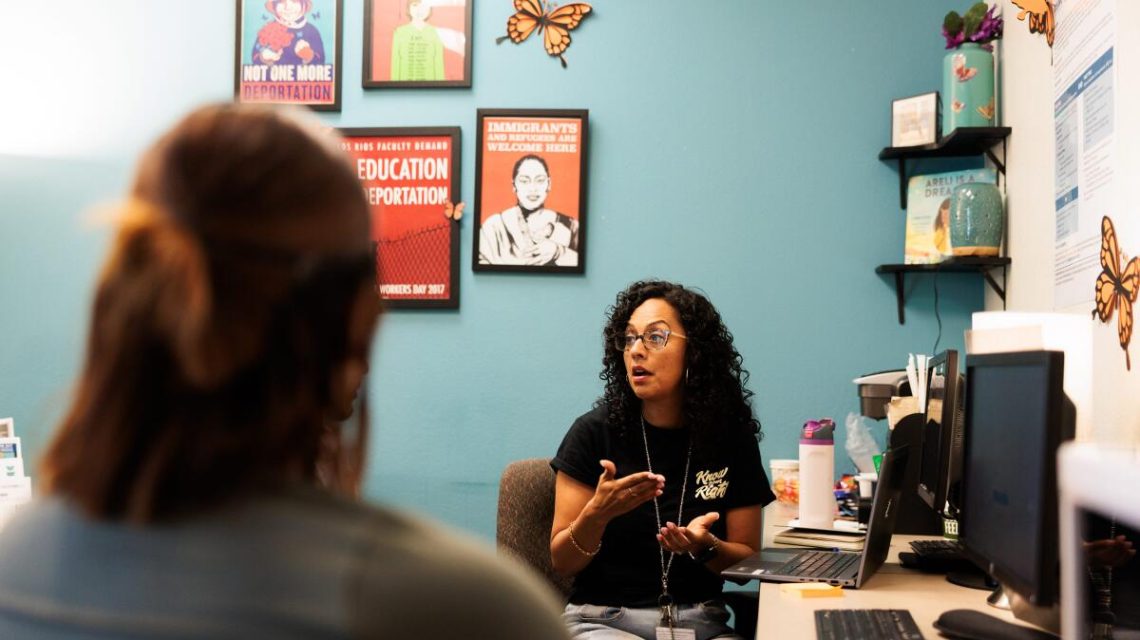
At Folsom Lake College, a flier reminds students without legal status that they can still pursue higher education in California. Despite the political climate, it encourages them to continue their education journey. Nearby, Alicia Alejo operates the Undocu-Falcons Center. She aids undocumented students with legal consultations, mental health services, and financial support. However, under the Trump administration’s policies, many students preferred online classes and remained less visible on campus.
California stands out in offering support for undocumented students. The state provides in-state tuition and financial aid through the California Dream Act. Community colleges also waive enrollment fees and staff specialists to assist these students. Despite these efforts, applications for state financial aid from undocumented students have declined. Last year, there were 35,949 applications, a drop from nearly 50,000 five years earlier.
Experts point to reasons such as the pandemic and Trump’s immigration policies. The Deferred Action for Childhood Arrivals (DACA) is no longer available to new applicants, affecting future employment opportunities for many. Additionally, legal challenges exist, such as the Department of Justice suing California and other states over their support for undocumented students, creating uncertainty for families.
Christian Espinoza’s Journey
Christian Espinoza, an immigrant from Mexico, excelled in school in the U.S. He benefited from resources and support at UCLA, where he pursued dual degrees. Post-graduation, he entered a PhD program but faced challenges with immigration authorities and ultimately had to leave the U.S., impacting his career aspirations.
Job Opportunities and Legal Hurdles
Many students struggle with securing jobs due to the lack of work permits. Programs like Dream Summer, managed by the UCLA Labor Center, offer fellowships that don’t require federal employment authorization. The UC system has faced legal challenges regarding its hiring policy, yet no changes have materialized. Some advocates push for new legislation allowing undocumented students to work on campuses.
California educators encourage entrepreneurial skills, as immigrants without legal status can operate businesses. A grant program exists to help immigrants and others overcome employment barriers by starting businesses. These initiatives aim to keep undocumented students engaged in higher education despite federal challenges.
According to experts, supporting these students is crucial, as their potential contributions to various fields are significant. “Could they have become the next doctors, researchers, or trailblazers? Yes, I believe so,” questioned Parshan Khosravi from uAspire.
Villarreal writes for The Hechinger Report, an independent news organization focused on inequality and innovation in education. Times staff writer Jaweed Kaleem also contributed to this story.
 Nikole Hannah-Jones Reflects on Educational Choices for Her Daughter
 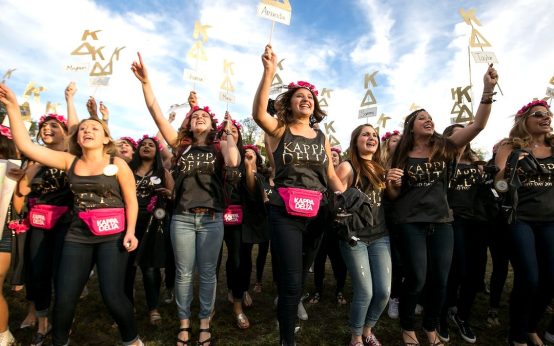 The Rising Trend of GLP-1 Medications Among College Students
  Seton Hall National Security Graduate Fellowship Provides Hands-On Experience
 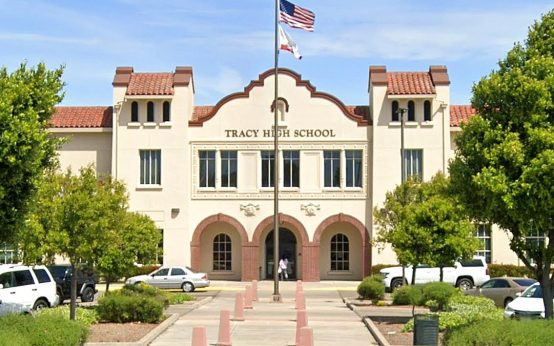 California High School Coach Arrested Over Secret Recording in Locker Room
  Student’s Coffee Incident Sparks Policy Review in New York School
  Hillcrest High School’s Academic Success in 2026-27