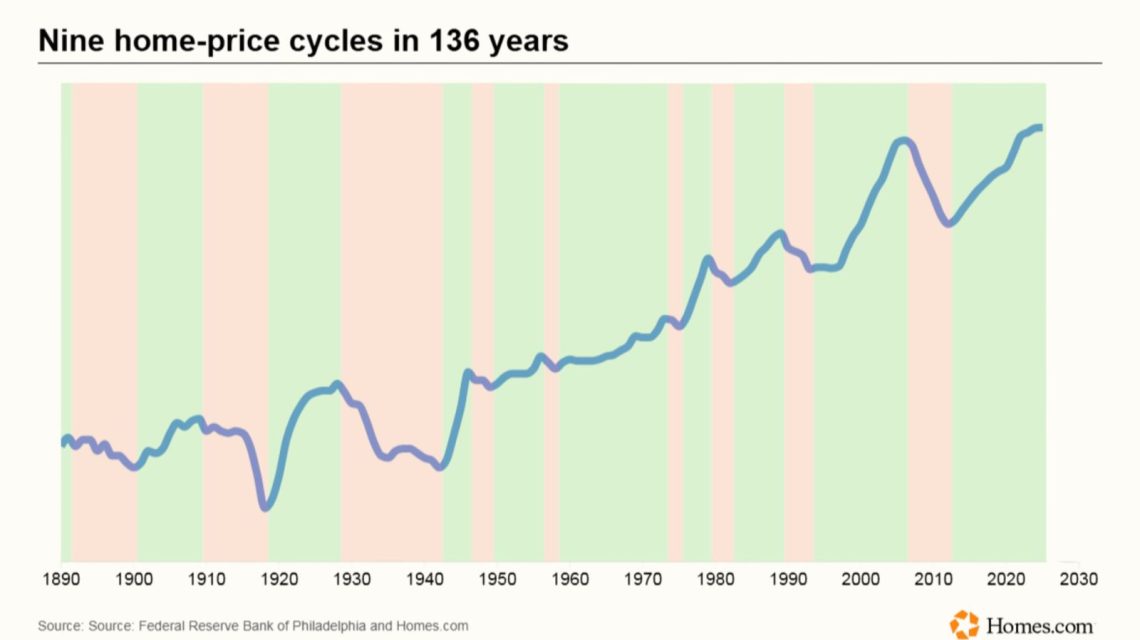
Currently, the U.S. housing market presents significant challenges for would-be homeowners. The disparity between wages and home prices is wider than ever. Since the COVID-19 pandemic, home prices have increased by approximately 60%, according to JP Morgan. Mortgage rates have been historically high since 2022. In 2022, the U.S. homeownership rate fell to 65%, the lowest since 2019, based on Census data.
The History and Importance of Homeownership
Daryl Fairweather, the chief economist at Redfin, describes the housing market as “unprecedented.” Although mortgage rates today are not as high as they were in 1981, they are still higher than the past decade’s averages. High home prices and mortgage rates have made homeownership particularly unaffordable for younger generations.
Homeownership has deep roots in the American identity. The founders’ ideas, influenced by John Locke, emphasized the protection of property. Historical policies have promoted homeownership as a way to build wealth. The concept of owning land played a major role in drawing European immigrants to the U.S., offering opportunities unavailable in their home countries.
Reasons Behind the Housing Market Crisis
The dream of homeownership is integral to American culture, emphasizing independence. Buying a home traditionally meant building wealth and financial security. The financial crisis of 2007-2008, however, exposed the fragility of the housing market. Yet, homeownership remains a goal for many Americans. According to a Realtor.com survey from 2025, about two-thirds of Americans still aspire to own a home.
Brad Case, a chief residential economist at Homes.com, points to issues like housing shortages and viewing homes more as investments than residences. Historically, homeownership became broadly accessible with the introduction of the 30-year fixed-rate mortgage in the 1930s. Although incomes used to rise in tandem with home prices, by the 1970s and 1980s, mortgage rates soared due to inflation. As rates decreased, housing prices surged beyond inflation and wage growth, prompting people to see homes as lucrative investments.
Current Housing Market Dynamics
The pandemic caused mortgage rates to drop to around 3%, increasing demand. But since then, rates have doubled, leaving the market stuck. Many current homeowners are hesitant to move due to their low mortgage rates from earlier loans, whereas potential buyers face high rates and prices. This mismatch has led to a housing market stalemate.
Despite more sellers than buyers, sellers often pull their listings, unwilling to lower prices. Normally, rising mortgage rates would lower home prices, but this has not happened. The reduction in both supply and demand has resulted in high prices and fewer transactions.
Possible Solutions and Future Outlook
The housing market faces chronic challenges of supply not meeting demand, similar to the period before the Homestead Act, but giving away land is not feasible today. Efforts are underway to reduce regulatory barriers for new construction, aiming for a long-term impact on the market.
There is potential for future affordability improvements. Wages may catch up as price growth slows, and stable mortgage rates continue. Baby boomers, who own a significant portion of the housing market, will eventually leave their homes, potentially easing conditions for younger buyers. However, these homes will often be old and require upkeep, with rising insurance costs due to climate change.
Ultimately, income growth paired with a reevaluation of home-buying motivations could improve affordability. Homes should be viewed primarily as places to live, not investments. The market requires strategic changes for a sustainable future.
 Historic Church Transformed Into Los Angeles Boutique Hotel
  Amazon Offers Discounts to Employees at Whole Foods
  Hidden Fees in Real Estate Transactions: A Growing Concern
 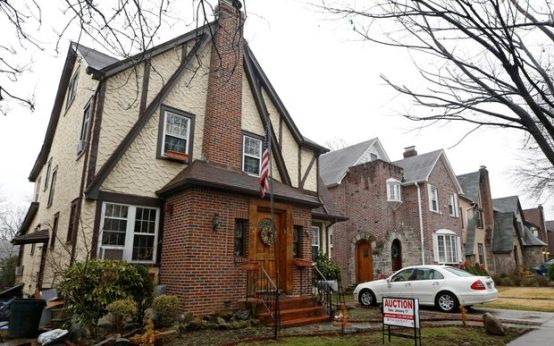 Trump’s Childhood Home Sells for Nearly $2 Million After Renovation
 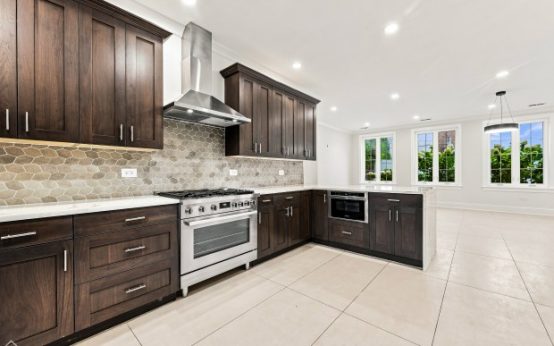 Luxury Five-Bedroom Home with Rooftop Deck in Edgewater
  Trump’s Housing Affordability Agenda Faces Challenges