Ceuta, Spain — Over the weekend, Ceuta showed signs of returning to normalcy, yet the city was still dealing with the repercussions of a recent mass migration event. Approximately 60,000 migrants arrived at the Spanish exclave in North Africa earlier in the week. As of Sunday, many had returned to Morocco, while others remained on the nearby hills.
Spanish civil guard vessels continued searching for bodies near the urban beach breached by tens of thousands of migrants days before. Shops resumed operations, and residents and tourists populated the terraces, restaurants, and cafes in the city of 84,000.
Ceuta, known for its cultural diversity, was still reeling from the surge. The locals disagreed on its causes and who should be held responsible. The crisis renewed debates about immigration across Europe.
At least 72 migrants lost their lives, either by drowning or during a stampede at a breakwater barrier. This humanitarian emergency has revived discussions about immigration policies across the continent.
Mohamad Abdelkader Driss, a local waiter, stated, “It’s not the young men’s fault. If you open the border, of course, everyone comes in, but the young men aren’t to blame. The authorities are responsible.”
Some migrants reported that the border was effectively open and that authorities did little to prevent the crossings. On Thursday and Friday, the city’s population increased by more than half due to unauthorized arrivals.
Abdelkader expressed regret over the events, acknowledging that the migrants behaved relatively well under the circumstances.
Far-Right Protests and Counter-Demonstrations
During the weekend, far-right anti-immigrant politicians and influencers visited Ceuta, resulting in counterprotests led by different community members, including Muslims of Moroccan descent. Alvise Pérez, a far-right politician, demanded the expulsion of remaining migrants. His presence incited reactions, eventually requiring police intervention.
Noor Ahmed, a local resident and student, criticized the opportunism of figures like Pérez, suggesting they were exploiting Ceuta’s crisis.
Further visits by far-right leaders like Santiago Abascal, head of the Vox party, criticized the Spanish government’s handling of the situation. Abascal referred to the migrant influx as “an invasion,” accusing the government of failing to protect the nation’s borders.
Challenges to Ceuta’s Cultural Harmony
Despite pledging for tolerance, locals questioned the loyalty of foreign-born residents. Eva Barrientos, a logistics company worker, expressed concerns over future events and questioned some residents’ allegiance to Spain, claiming Ceuta has often experienced harmonious multicultural coexistence.
Pope Leo XIV expressed concern for Ceuta, emphasizing the need for solutions focused on peace, stability, and justice. His advocacy for migration issues has been evident, including during a recent visit to the Canary Islands, a key migrant entry point.
 The Cost of Challenging Beijing
 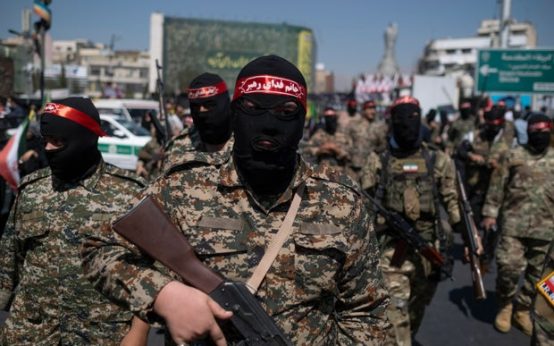 Tensions Escalate in Iran Conflict as Global Leaders Weigh Options
 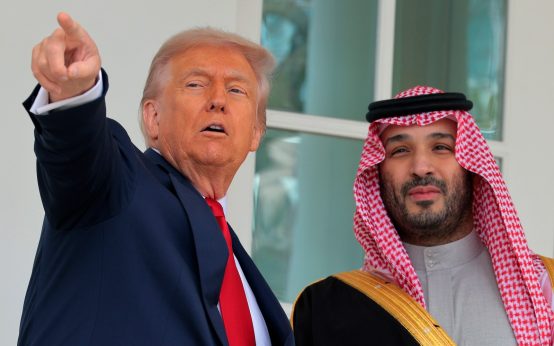 White House Approves F-35 Sales to Saudi Arabia Amidst Regional Tensions
  Inside the Secret Deals Powering the President’s Push to Deport Migrants to Countries Not Their Own
  Navigating the Challenges of Third-Country Deportations
 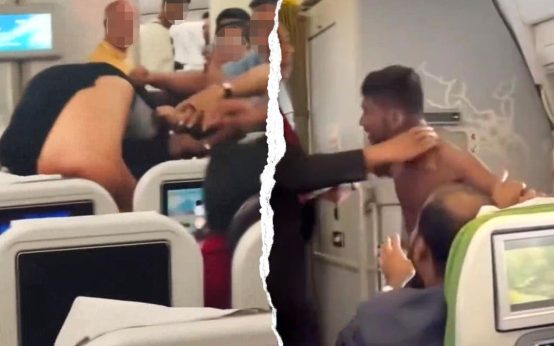 Midair Altercation on Bangladesh to London Flight