
Artificial intelligence is transforming various sectors of the economy. Yet, the infrastructure supporting this change is under significant scrutiny. Data centers supporting AI are set to increase global electricity consumption to around 945 terawatt-hours annually by 2030. In the United States, they will contribute nearly half of the country’s electricity demand growth during this period. This raises concerns about facility design, power sources, and integration into communities.
Investment in AI infrastructure now focuses on aspects beyond computing performance. Developers, policymakers, and residents are considering water availability, electrical capacity, permitting, environmental impact, and community acceptance. Public confidence in this infrastructure is crucial for its success, reflecting a broader reality in AI’s future.
Success in AI depends on software and computing advances, but also on demonstrating responsible infrastructure planning. Leadership in AI infrastructure is evolving, with more public interest in engineering decisions. Communities, regulators, and investors are assessing long-term resource impacts.
Eric Sonner, CEO of Data Airflow, emphasizes the need to address public concerns. His company focuses on designing mechanical infrastructure for modern AI data centers, optimizing cooling systems for performance and reliability.
Sonner believes public confidence in infrastructure comes from thoughtful engineering and long-term planning. He highlights closed-loop cooling systems that conserve water and notes how early engineering decisions affect efficiency and environmental performance.
Looking forward, Sonner anticipates discussions will focus more on electricity generation, transmission, and grid resilience. His investment strategy includes supporting companies like Deployable Energy for local power solutions, predicting future energy challenges as AI expands.
Developing data centers is faster than expanding energy systems, making long-term regional planning vital. Collaboration among engineers, utilities, local governments, and tech companies is key. Addressing community questions and designing facilities with future demand in mind can strengthen project confidence.
Sonner argues AI infrastructure should solve potential problems proactively, demonstrating that innovation and responsible planning can coexist. Public conversations around infrastructure will grow as AI integration increases.
Sonner emphasizes each generation faces infrastructure challenges impacting their future. He believes AI must earn public confidence through better engineering and standards. Without this, technological breakthroughs will lack their potential impact.
 Trump Suggests Renaming AI to ‘Super Intelligence’
  The Rise of Data Centers and AI Development
  How China Uses AI to Challenge U.S. Dominance
 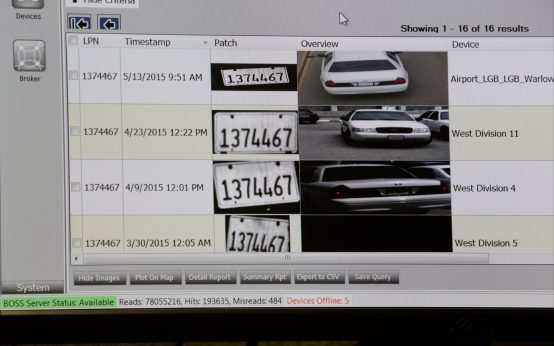 Controversy Surrounding Automated License Plate Readers (ALPRs)
 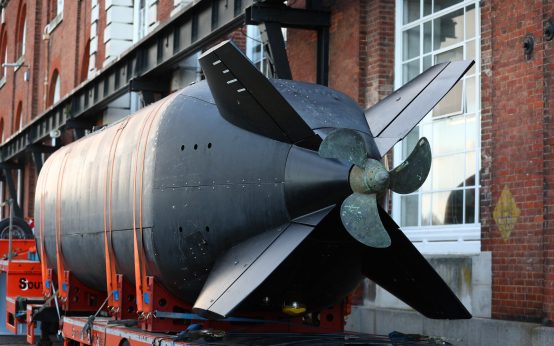 U.K. Test-Fires U.S. Torpedo from XV Excalibur
 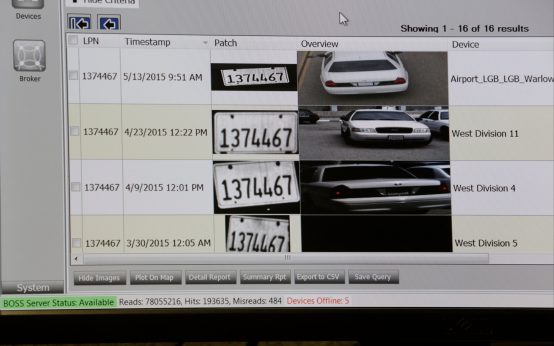 The Rise and Controversy of Automated License Plate Readers