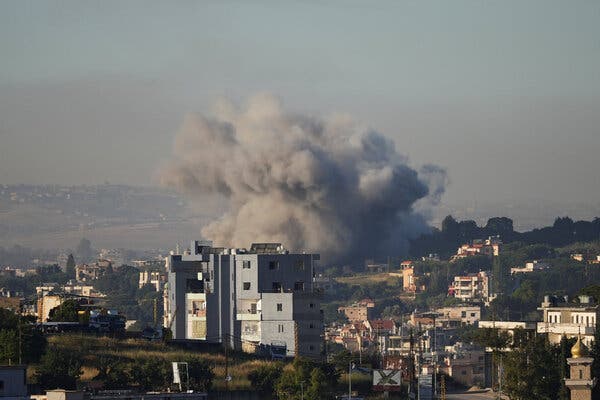
Violence between Israel and Hezbollah continued on Friday, despite the rejection of a U.S.-brokered cease-fire agreement by the Iran-backed militant group. Israeli forces intensified their bombardment of towns in southern Lebanon, prompting residents to evacuate.
The cease-fire, which Israel and Lebanon discussed in Washington, now faces uncertainty. Civilians in southern Lebanon, already familiar with such directives, received new evacuation orders. Since the conflict reignited in March, Lebanese authorities report over one million displacements, leaving many uncertain about returning home.
The agreement requires Hezbollah to withdraw from Lebanon’s border with Israel and halt attacks entirely. Israel, however, has no immediate reciprocal obligations. It plans to continue its military campaign until these conditions are met.
Hezbollah was not part of the cease-fire negotiations, and Lebanon’s government lacks influence over the group’s actions. On Friday, Israeli evacuation orders included Anqoun, a town sheltered about 16 miles from the Israeli border, housing approximately 2,500 displaced individuals who faced renewed relocation after Hezbollah’s leader, Naim Qassem, denounced the cease-fire as forced compliance with Israeli terms.
“As long as the occupation continues, the resistance will continue,”
Qassem stated, asserting that any truce must involve Israel’s withdrawal from occupied regions.
Israel’s defense minister, Israel Katz, showed no signs on Thursday of halting operations against Hezbollah. He affirmed that displaced people from southern Lebanon remain barred from returning home.
The sustained fighting in Lebanon complicates President Trump’s efforts to forge an agreement with Iran, Hezbollah’s main supporter. Iran threatens withdrawal from peace talks if Israel persists with its military actions against the group.
Reported contributions by Johnatan Reiss. Euan Ward, based in Beirut, covers Lebanon and Syria for the Times.
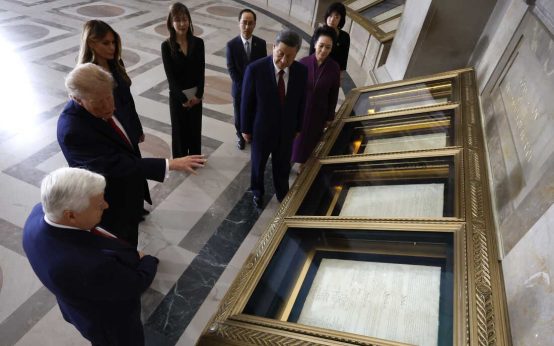 Historical Discrepancies and Diplomatic Sensitivities in U.S.-China Relations
 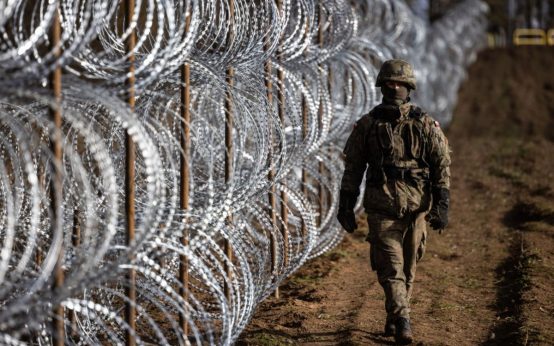 Escalating Tensions: Russia’s Nuclear Threat and the Kaliningrad Conundrum
 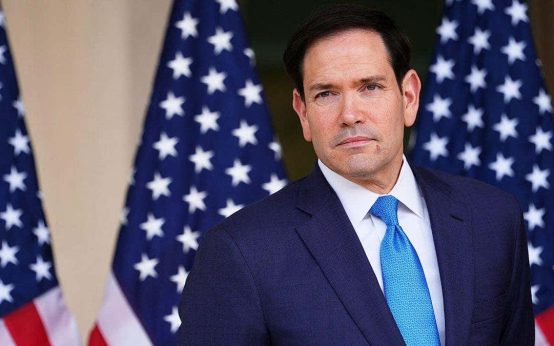 Marco Rubio Discusses Thwarted UK Terror Plot and Global Threats
 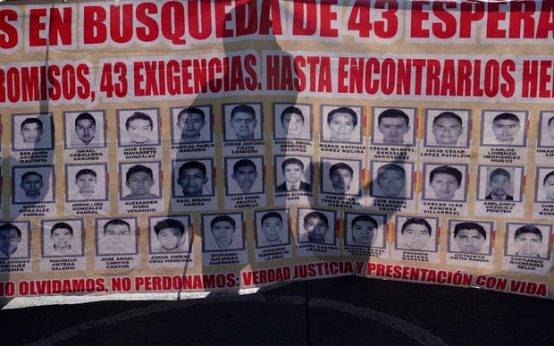 New Leads Emerge in 2014 Ayotzinapa Student Disappearance Case
  Concerns Over U.N. Secretary-General Candidate’s Alignment
 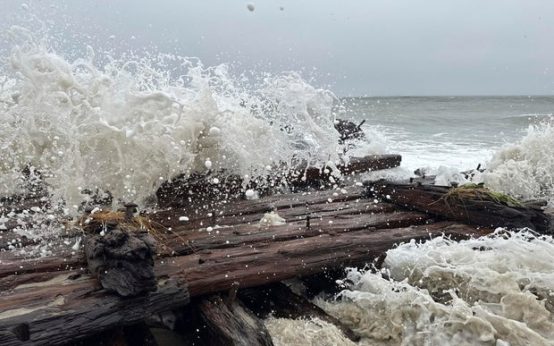 Possible Shipwreck Exposed After Nor’easter in Nantucket