
Iowa is facing increasing concerns about cancer rates. These rates are 10% higher than the national average, with significant incidences of prostate, breast, colorectal, melanoma, and lung cancer. While cancer rates decline in most states, Iowa’s situation suggests a possible link to environmental toxins.
The state is a major producer of corn and soybeans and is a significant hog raiser. This agriculture leads to nitrogen runoff, contaminating river water used for drinking. Although the EPA does not classify nitrates from fertilizers and animal waste as carcinogens, these can convert into probable carcinogens inside the human body.
Pesticides and ‘forever chemicals’ add to the worries. These chemicals remain persistent in the environment and have been associated with various cancers. Environmental concerns have galvanized the ‘Make America Healthy Again’ movement, led by HHS Secretary RFK Jr., to reduce exposure to these chemicals.
Both political parties in Iowa are now addressing these concerns. Tony Lyons, President of MAHA Action, emphasizes decreasing chemical exposure. Research links contaminated water, full of nitrates from fertilizer and manure, with cancer. Other studies associate pesticide chemicals with risks of colorectal, bladder, and non-Hodgkin lymphoma cancers.
Republican gubernatorial candidate Zach Lahn asserts that water quality and nitrate levels must be discussed when addressing cancer concerns. Both political perspectives acknowledge the issue since all residents consume the water.
State-funded research at the University of Iowa indicates that while demographic and behavioral factors like smoking and binge drinking explain most of Iowa’s excessive cancer rates, environmental factors remain crucial. Concurrently, the University of Iowa is enhancing its cancer research efforts.
A notable success is Linda Jacobs, a 64-year-old patient who benefited from advanced cancer treatments at the university. Jacobs suffered from recurrent breast cancer, leading to aggressive angiosarcoma. Dr. Mohammed Milhem treated her tumor with a genetically modified herpes virus, resulting in her being cancer-free.
Preventing cancer remains ideal, highlighting the importance of lifestyle changes and reducing environmental toxins. Efforts to detoxify the environment are seen as essential in addressing Iowa’s cancer crisis.
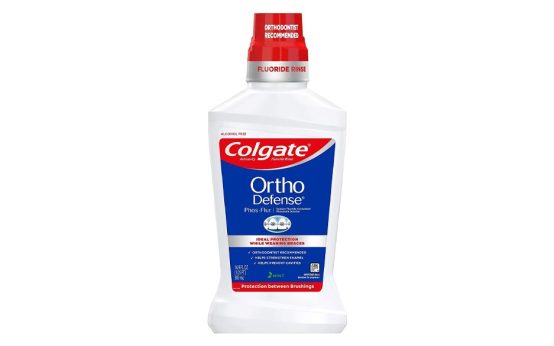 Choosing the Right Mouthwash for Braces
 Rising ObamaCare Premiums and Enrollment Challenges
 Christina Applegate Faces Misdiagnosis of Multiple Sclerosis
 Christina Applegate’s Health Struggles and Misdiagnosis of MS
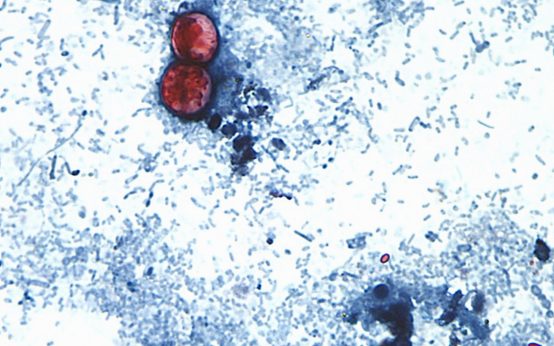 FDA Warns Against Graziers Raw Milk Cheese Due to E. coli Outbreak
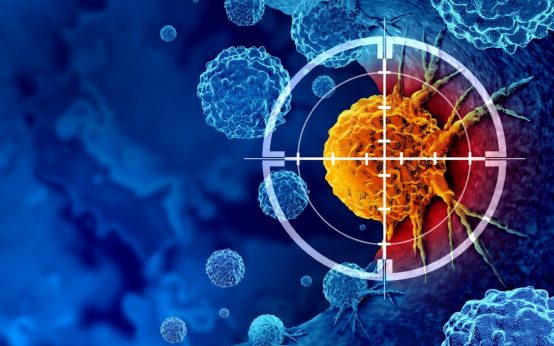 Cancer Cells Destroyed by Mechanical Compression