
A dense smoke plume from Canadian wildfires has extended over much of the northeastern United States and southern Canada, causing the sun to appear dull orange and making the air potentially unhealthy to breathe. Cities like Chicago, Cleveland, Detroit, Minneapolis, and Toronto experienced dangerous air quality levels on Thursday morning. Conditions were projected to worsen throughout the day.
New York City Mayor Zohran Mamdani advised residents to stay indoors, stressing that everyone could experience health effects from the poor air quality. Those with asthma, heart conditions, or who are older are not the only ones at risk.
At unhealthy levels, everyone — not just people with asthma and heart conditions, not just older adults — everyone may feel health effects.
The Smoke Forecast
The densest smoke is anticipated to move south from Canada and the Great Lakes region throughout the day, potentially reaching as far south as Maryland. Around New York City, the worst conditions are expected in the afternoon and evening.
Climate Impact
Climate change is driving global temperatures past record levels, leading to more frequent hot and polluted days.
Health Concerns
Wildfires are known for generating unhealthy smoke levels. It’s crucial to protect yourself from these effects, even if you’re far from the fires.
Outdoor Precautions
Consider the safety of exercising outdoors when the air is smoky and take measures to protect yourself if you choose to do so.
The Air Quality Index (AQI) ranges from 0 to 500. Cities like Milwaukee, Detroit, and Toledo, Ohio have reported values above 500. An AQI exceeding 300 is hazardous. New Yorkers should limit outdoor time today and avoid strenuous activities.
Usually, you can easily see Toledo, Ohio’s iconic bridges from the Maumee River bank. However, dense smoke makes visibility difficult. At the Michigan-Ohio border, Toledo ranks among the areas with the country’s worst air quality.
Smoke Path and Expected Changes
The most affected areas include Minnesota, Wisconsin, and Ontario, where wildfires are burning actively. US cities with poor air quality readings include Minneapolis, St. Paul, Chicago, Milwaukee, Detroit, and Cleveland. Toronto and New York may also see unhealthy levels.
The smoke is spreading widely due to a heat dome trapping it close to the ground. Relief is expected by the weekend as different weather patterns disperse the heat and smoke.
Air quality levels of 100 or higher serve as a warning to those with respiratory issues. Levels above 150 are unhealthy, and levels exceeding 300 are hazardous.
Current Air Quality Status
On Thursday morning, Toronto’s AQI neared 400 with forecasted hazardous conditions. The air quality was expected to improve by 7 p.m. Thursday. This marks the second day of unhealthy air in Toronto, previously ranking among the worst worldwide.
Protective Measures Against Smoke
The rising global temperatures fuel days that are both hot and polluted. Here are key steps to protect yourself from wildfire smoke:
- Check air quality: Use resources like The New York Times, AirNow.Gov, and Fire.AirNow.Gov maps to track air quality and stay informed.
- Recognize risk: Smoke worsens respiratory conditions like asthma and chronic obstructive pulmonary disease. Understand which chronic conditions increase risk.
- Use masks: Stay indoors where possible. If going outside, wear an N95 mask to filter particles from smoke.
- Seal your home: Make indoor environments smoke-free by tightly shutting windows and using air purifiers or air conditioning.
- Monitor for heat-related illnesses: Stay hydrated and cool, watching for heat stroke symptoms such as high temperatures, dizziness, headaches, and confusion.
- Be vigilant post-exposure: Heart issues and strokes could occur days after exposure. Monitor health symptoms closely after being exposed to smoke.
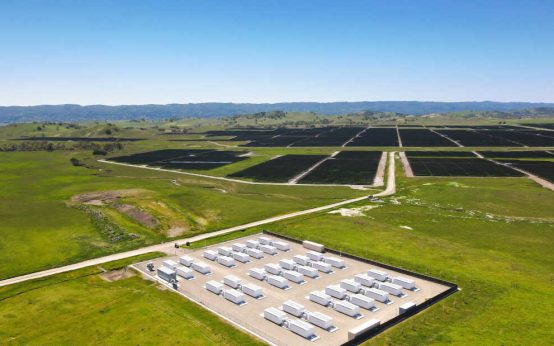 How Battery Innovations Transform Renewable Energy
  Data Centers Stir Controversy in Texas Amid Growth Boom
 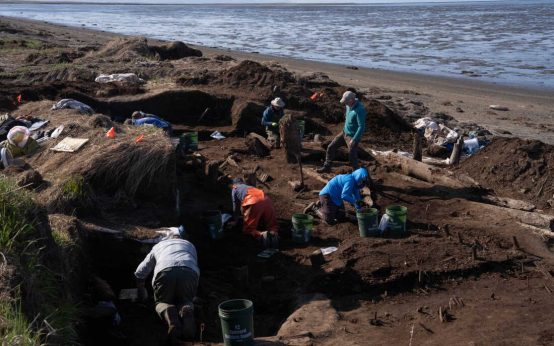 Urgent Archaeological Efforts in Quinhagak Stay Ahead of Erosion
 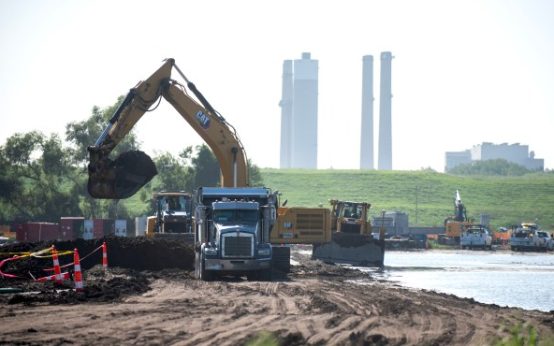 Concerns Rise Over NIPSCO Permit In Jasper County
  Reader Reactions on Grizzlies and Data Centers
 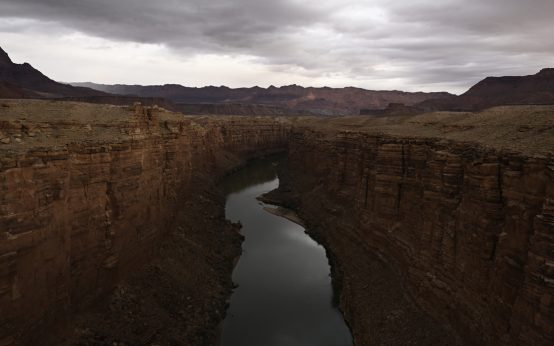 Managing the Crisis of Drying Rivers