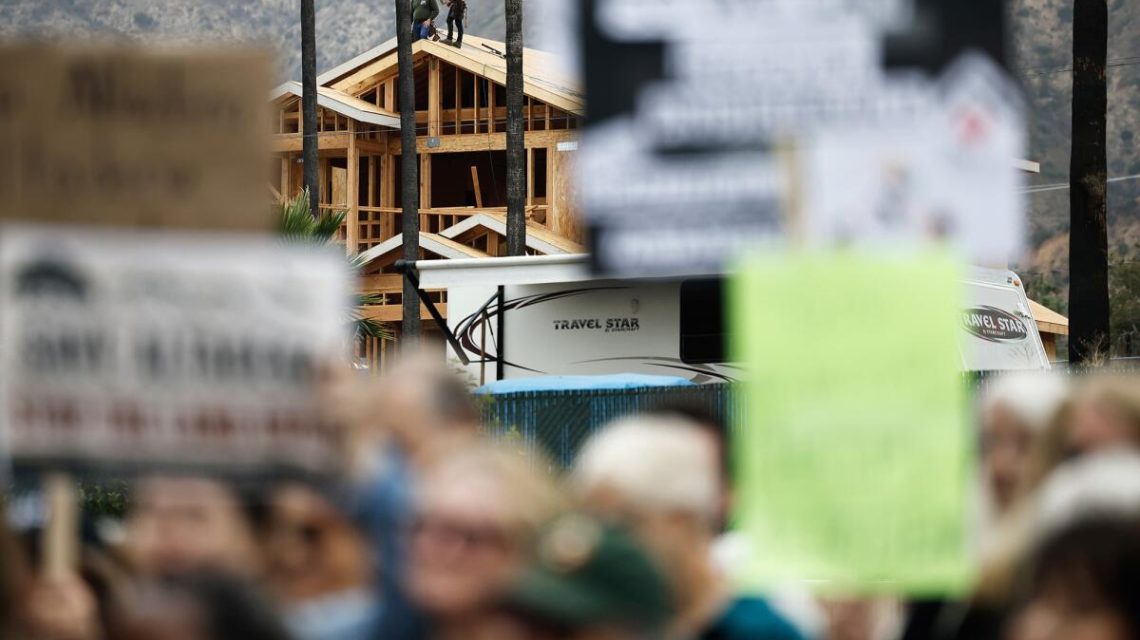
In California, advertisements highlight concerns about rising home insurance rates and the efficacy of the FAIR Plan. These ads urge residents to contact their state representatives about the wildfire problem impacting affordability. The discussion centers around Governor Gavin Newsom’s alleged initiative to reduce utility payments for wildfires they cause.
Governor Newsom’s office is reportedly collaborating with state legislators on issues related to wildfire recovery and escalating catastrophic risks. Although the legislative session is approaching, no details of proposed legislation have been released. Allegations suggest the potential for legislation that might: limit compensation for fire victims’ pain and suffering, reduce insurance companies’ rights to reclaim wildfire costs from utilities, and cap attorneys’ fees.
Groups like Every Fire Survivor’s Network and Consumer Watchdog argue that proposed bills could shift financial burdens from utility companies to insurance policyholders. Representatives from the insurance sector agree with these concerns. The legislative tactic of ‘gut-and-amend,’ which speeds up the legislative process by repurposing existing bills, is being used to advance these proposals.
Californians deserve a government that works in the open, not behind closed doors.– Joy Chen, Every Fire Survivor’s Network
Joy Chen, a leader of Every Fire Survivor’s Network, voiced her opposition to these legislative maneuvers. She criticized the secretive processes and called for prioritizing democratic principles over corporate interests. Her open letter to Governor Newsom accuses him of aiding utilities in evading wildfire liabilities over time.
The links between major utilities and political influence in California raise concerns. San Diego Gas & Electric, Southern California Edison, and Pacific Gas & Electric wield significant power and contribute millions to legislative campaigns. These utilities engage numerous lobbyists to support their interests. The California Earthquake Authority’s report, released under Senate Bill 254, informs ongoing discussions. It studied equitable distribution of natural catastrophe burdens, suggesting utilities could shift extra wildfire costs to consumers.
A proposal in the report recommends increasing the monthly surcharge on utility bills by $8.50, aiming to bolster the existing wildfire fund. The report underscores the financial burden on victims and criticizes payouts to intermediaries before victim compensation.
Nathan Click from Wildfire Victims First urges lawmakers to implement recommendations from this report. However, questions arise about the lack of fire survivors’ groups supporting this campaign. Jennifer Gray Thompson of After the Fire, after realizing the absence of fire victim groups in the coalition, withdrew her organization’s support.
Utilities’ financial contributions to non-government organizations ignite further scrutiny. According to analysts, 66% of organizations supporting the campaign received utility contributions totaling $7.3 million between 2023 and 2025. Click criticized Consumer Watchdog as a ‘shadow lobby firm’ aligned against the utilities’ goals.
Sen. Ben Allen advocates holding responsible parties accountable for wildfire recovery costs. His role as chair of the Senate energy and utilities committee and potential candidacy for insurance commissioner underscore his stake in this matter. Sen. Sasha Renee Perez, representing Eaton fire survivors, expressed concerns about potential legislative packages and their late introduction. She emphasized the complexities of valuing noneconomic damages for victims.
Consumer Watchdog reviews indicate utilities’ significant influence on sponsored organizations. The organization remains critical of insurers’ strategies and asserts the importance of keeping public interest and transparency at the forefront of legislative processes.
Representatives from PG&E, Edison, and SDG&E direct inquiries about campaigns and proposals to the Wildfire Victims First group. Insurer representatives caution that eliminating their ability to reclaim costs from utilities would inevitably hike up insurance premiums. The Personal Insurance Federation of California criticizes the utilities’ persistent efforts to mitigate their liability, expressing bewilderment over the focus on the insurance market.
Questions about the motives behind these policies persist among stakeholders. The ongoing dialogue involves sorting out the proposed legislative changes and understanding how they align with or diverge from previous commitments to protect victims and uphold systemic responsibility.
Levi Sumagaysay and Jeanne Kuang of CalMatters contributed to this report.
 The Cost of Challenging Beijing
  Analyzing Midterm Elections and Party Dynamics
  Allan Lichtman’s Framework for Assessing Presidential Greatness
  Florida Senate Race Tightens as Recent Polls Show Dead Heat
  Ethics Complaint Targets Colorado Representative Lauren Boebert
  Ken Paxton’s Campaign Funding and Polls