
California Governor Gavin Newsom has signed legislation introducing new regulations for industrial companies in the state. This move comes in response to a significant fire at a cold storage facility in the Boyle Heights area of Los Angeles in June.
Opposition to the bills came from business groups and certain Republican lawmakers. They argue these regulations might increase costs for businesses and consumers alike.
The fire occurred at Lineage’s 500,000-square-foot food warehouse on June 17. It resulted in residents facing harmful smoke, along with challenges like an increase in rats and flies.
Details of the Legislation
Senate Bill 716, sponsored by Sen. María Elena Durazo (D-Los Angeles), is a key part of the new regulations. It raises the maximum fines local agencies can impose on businesses that jeopardize health and safety. Fines can now reach up to $50,000 per violation. Previously, penalties were limited to a few hundred or thousand dollars.
Several exemptions exist under this law, including allowances for institutional and educational organizations.
Assembly Bill 817, proposed by Assemblymember Mark González (D-Los Angeles), is another pillar of the new regulations. This bill prevents issuing building permits for new cold storage facilities unless a contingency fund or insurance is in place. This fund is designed for addressing emergency needs of local communities.
Both laws will initially have local applications but will become statewide regulations starting July 1, 2028.
Industry Response
Lineage, the company at the center of the controversy, has not commented on the newly signed bills. However, Greg Lehmkuhl, the company’s president and CEO, mentioned in a recent earnings call that Lineage has committed $3.3 million to community recovery efforts following the fire.
Governor Newsom emphasized the importance of these laws, pointing out that the fire revealed the profound impact such emergencies can have on communities. He stated, “These laws strengthen the tools, resources, and accountability needed to protect residents and help communities respond when emergencies happen.”
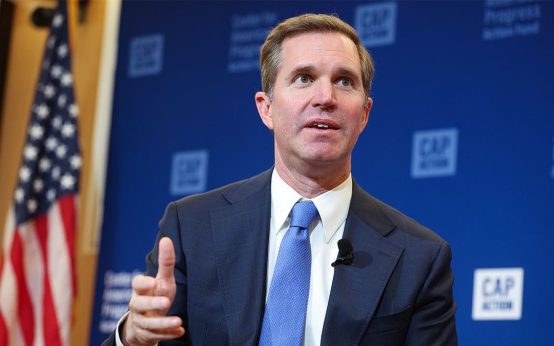 Kentucky Governor Andy Beshear Defends Transgender Policies Amid Criticism
  Senator Fetterman Critiques Democratic Party’s Stance on Israel
 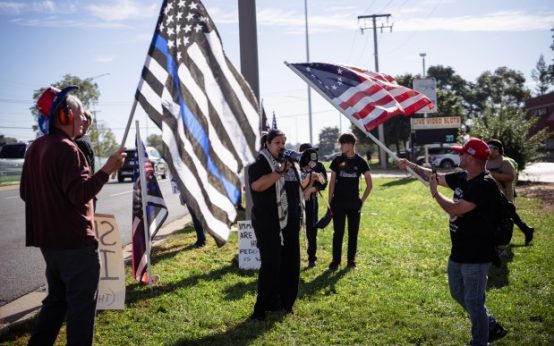 Trump Attends Presidents Cup Amid Divided Reactions
  Nicki Minaj Sits Down with Lara Trump
 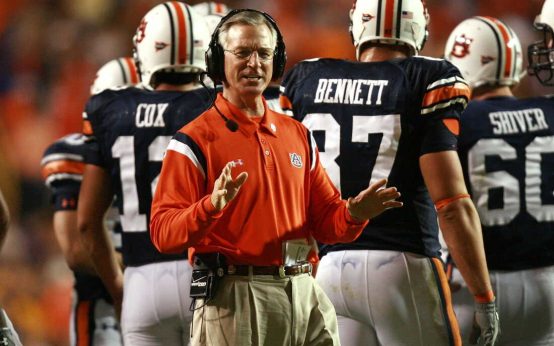 Senators with Sports Backgrounds Push College Sports Act
  Judge Temporarily Restores CNN’s Access Amid White House Restrictions