California’s Coastal Challenge: A Convergence of Climate Forces
This winter, California faces the threat of severe coastal flooding due to a combination of factors: a powerful El Niño, super king tides, and sea level rise driven by climate change.
Officials are already noting unusually high tides causing beach erosion and damaging infrastructure before El Niño is fully underway. Jonathan Warrick, a research geologist at the U.S. Geological Survey, explains that El Niño warms ocean waters off California, causing them to rise by up to a foot or even more. This elevation is enough to threaten low-lying homes and coastal infrastructure.
Historical Sea Level Rise
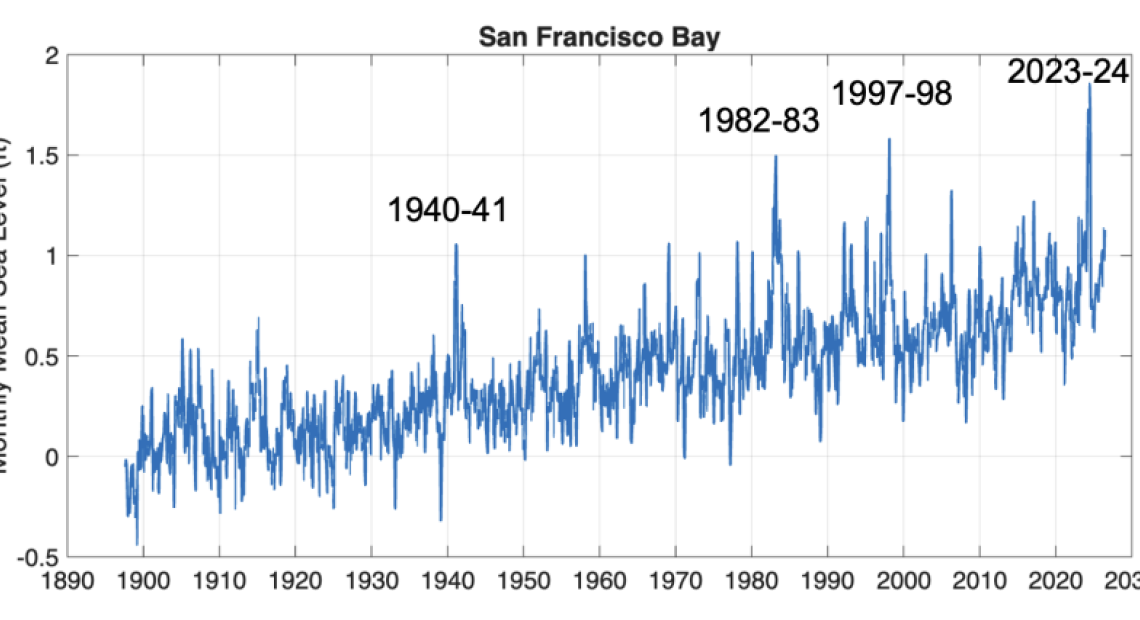
The sea level in San Francisco Bay has increased by about one foot over the past 125 years, an effect attributed to human-induced climate change. Climate scientist Daniel Swain from UC warns that California may experience record-high sea levels this winter.
“Folks who really think about coastal risks are very concerned that the single-highest sea levels on record are quite possible this winter in California,” Daniel Swain, UC climate scientist.
San Francisco Bay has registered record sea levels during strong El Niños in the past, such as in 1982-83 and 1997-98, and potentially during the 2023-24 season.
Impact Beyond California
El Niño drives sea level rise beyond California. NASA images indicate that water levels off Latin America’s Pacific coast were over half a foot above baseline as of early June. Swain reports similar elevations are affecting Central America and Mexico.
California’s coastline has been experiencing a marine heat wave separate from El Niño. However, recent warming may be directly linked to El Niño patterns, according to the National Oceanic and Atmospheric Administration.
Stronger Tides Ahead
California’s coast faces exceptionally high king tides during El Niño’s full influence, compounded by lunar cycles affecting tides. These cycles will peak around Christmas, amplifying already elevated sea levels.
Mark Merrifield from UC San Diego explains that king tides, expected around Thanksgiving, Christmas Eve, and January 22, could trigger erosion and flooding if they coincide with winter storms.
“It looks like around December we’re going to see some of the highest tides that we ever get in this geologic epoch,” Daniel Swain.
In the historic El Niño of 1982-83, coastal flooding caused significant damage, including the destruction of Santa Monica and Seal Beach piers.
Potential Coastal Impact
El Niño’s effects on storms lead to larger waves hitting beaches, increasing erosion risk and danger for coastal buildings.
Low-lying areas such as Mission Beach in San Diego and Belmont Shore in Long Beach are particularly vulnerable to tidal flooding, with waves potentially increasing flood risks.
Precipitation Forecasts for Southern California
El Niño often correlates with increased precipitation in Southern California. The National Weather Service’s Climate Prediction Center anticipates above-average rainfall for California this winter, particularly during January, February, and March.
California might see conditions similar to the wettest winter recorded in 1982-83, which followed a significant El Niño event.
 How Battery Innovations Transform Renewable Energy
  Data Centers Stir Controversy in Texas Amid Growth Boom
  Urgent Archaeological Efforts in Quinhagak Stay Ahead of Erosion
  Concerns Rise Over NIPSCO Permit In Jasper County
  Reader Reactions on Grizzlies and Data Centers
 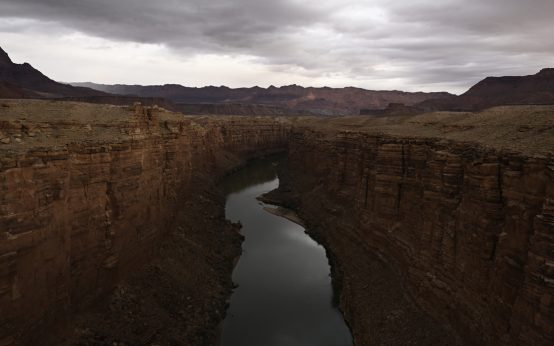 Managing the Crisis of Drying Rivers