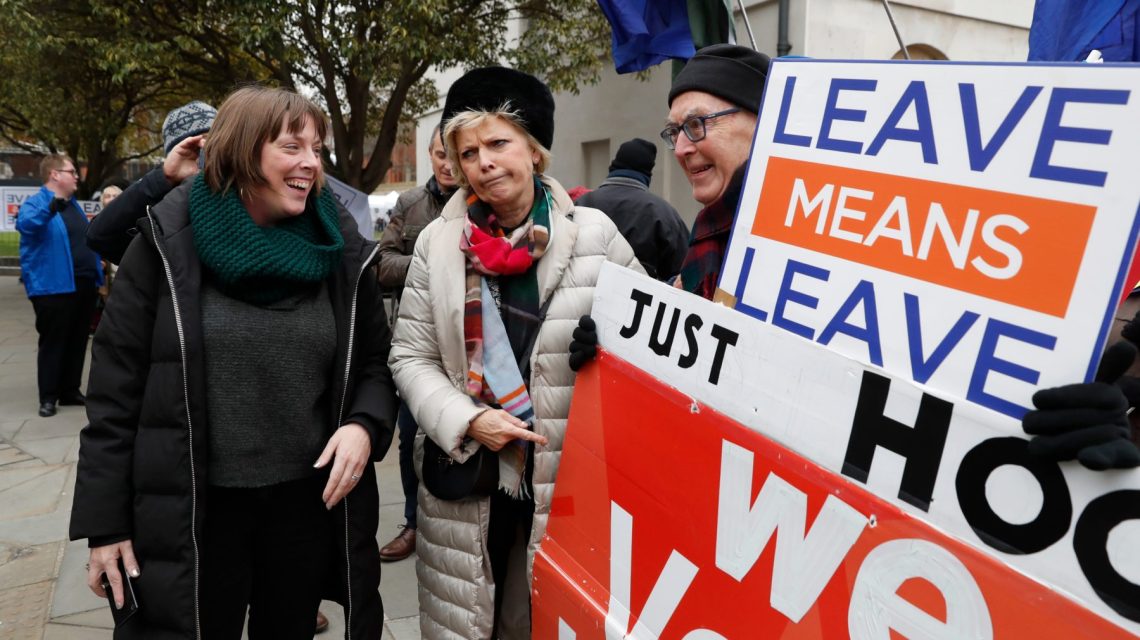
The decision to leave the European Union has significantly impacted the United Kingdom’s political landscape. Since the June 23, 2016 referendum, the UK has seen a rapid turnover of prime ministers. The vote, which saw 52% support for leaving the EU, led to a fractured political scene and multiple challenges for successive leaders.
Immediately after the vote, Conservative Prime Minister David Cameron resigned. His successors faced constant challenges stemming from Brexit. Most recently, Labour Prime Minister Keir Starmer announced his resignation after facing economic struggles and a divided electorate.
Unfulfilled Promises and Continued Challenges
Brexit campaigners promised the UK greater control over its laws, economy, and borders. These promises largely went unmet as negotiations and formalities dragged on for years. The UK officially left the EU on January 31, 2020, followed by an 11-month transition period.
Prime Ministers struggled to finalize satisfactory exit terms. Theresa May’s attempts were thwarted by a divided Parliament, and Boris Johnson’s tenure ended amid scandals. Rishi Sunak improved UK-EU relations but avoided major changes. Starmer, despite pledging a reset, also maintained a distance from the EU’s single market.
Political Fragmentation
The Brexit referendum intended to resolve long-standing debates over Europe’s role in UK politics, but tensions persist. Historians note that the issues have not faded, with Conservatives and Labour divided internally. Many voters have left the two main parties, seeking alternatives like the Green Party and Nigel Farage’s Reform UK, which taps into anti-immigration sentiments.
Skepticism and Economic Strains
The UK economy has faced new trade barriers with European neighbors, not solely due to Brexit but also exacerbated by the pandemic and geopolitical conflicts. Misinformation and unmet political promises have bred public disappointment. Despite Brexit proponents’ claims of controlling immigration, migration initially surged.
Cynicism towards politicians has risen, with increased street violence linked to anti-immigration sentiments. Professor Chris Grey warns of an eroding boundary between discourse and violence, tracing this shift to Brexit.
Post-Brexit Sentiments
Polls reveal a shift, with more Britons now supporting rejoining the EU. Recent marches in favor of rejoining, though smaller than past protests, highlight enduring divisions. Nonetheless, re-entry into the EU would be complex and politically daunting.
As Brexit-related issues linger, the UK deals with ongoing challenges. Until political leaders address these legacies, the country faces persistent, low-level crises.
A free press is essential for democracy. Support and engage with trusted journalism.
 Ireland Faces Calls to Boycott Matches Against Israel
  Political Strategies for the Upcoming Midterm Elections
  Trump Considers Diesel Export Ban Amid Rising Fuel Prices
  Texas Senate Race: Talarico Takes Lead in Youth Vote
  Social Media Influencer Faces Serious Charges
  Criticism Arises Over Michigan Senate Nominee’s Association with Streamer