Current Layoff Trends
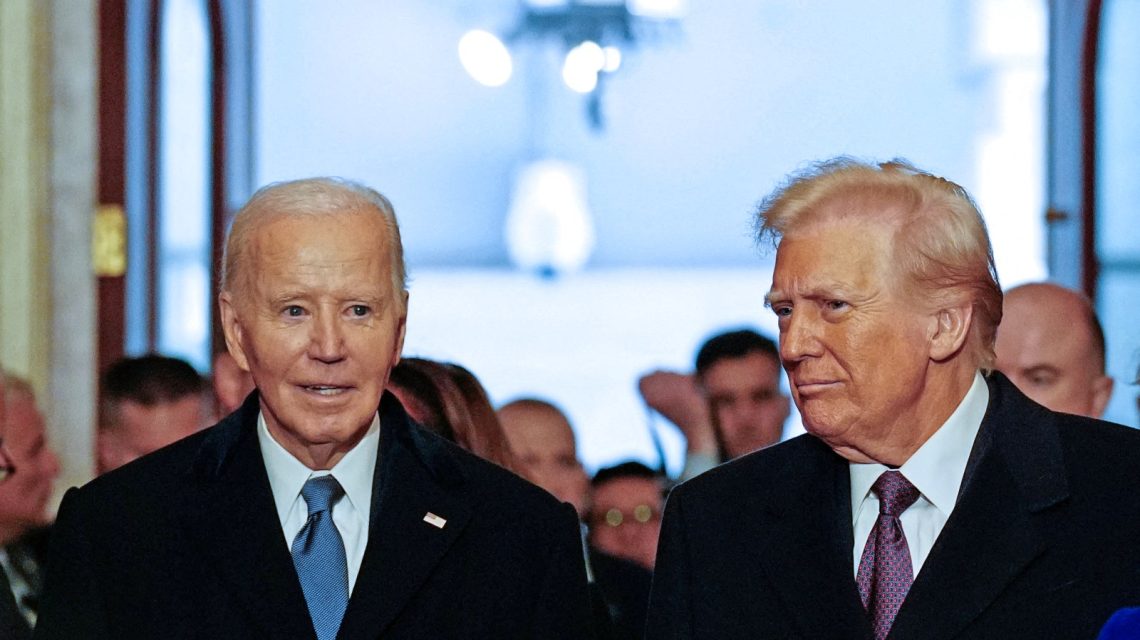
Nearly every day, news reports highlight new rounds of layoffs, partly influenced by artificial intelligence. When considering President Donald Trump’s situation, comparable issues existed during former President Joe Biden’s administration. Despite Trump’s campaign centered on reducing costs and reinforcing the economy, political challenges intensify. Voter frustration over financial conditions continues. Inflation has increased recently. Consumer confidence remains weak. Polls consistently list the economy as a top concern. Trump’s approval rating is struggling, especially concerning economic issues.
Analyzing Layoff Data
Layoffs are a single measure of the labor market’s health. Economists warn that unemployment data might be skewed due to individuals leaving the workforce after discouragement in job-search efforts. Although current layoff figures align with trends from recent years, large-scale layoffs by major companies generate anxiety over broader patterns affecting American job security.
Comparing Trump and Biden on Layoffs
Data from the Bureau of Labor Statistics (BLS) indicate average monthly layoffs during Biden’s last 17 months were around 1.66 million. Trump’s first 17 months of his current term saw an increase to about 1.75 million monthly. This rise represents an average of 92,000 more layoffs per month compared to Biden.
Wayne Hochwarter, a business professor at Florida State University, noted the visibility of layoffs in sectors like the federal government, technology, media, and companies engaged in AI activities makes them attention-grabbing.
During Trump’s current term, some months recorded the highest layoff totals, with October reaching 1.891 million, surpassing Biden’s highest monthly total of 1.831 million in November 2024.
Despite structural efforts such as efficiency initiatives, cost-cutting, and automation, businesses that expanded during the pandemic recovery have reduced payrolls in the last two years. Analysts acknowledge layoffs can rise even in healthy labor markets when employers adjust staffing levels or explore new technologies.
The layoff data does not necessarily imply widespread economic distress. Job openings remain significant historically, and the overall unemployment rate remains low. However, individuals losing jobs face challenges in securing new positions, marking the economy as a “low fire, low hire” environment.
Major Layoffs in 2026
Several well-known companies announced significant workforce reductions in 2026 as executives pursued methods to lower expenses and reposition their businesses. Industries affected ranged from sports media to telecommunications, highlighting the widespread nature of restructuring trends.
ESPN
ESPN executed layoffs tied to Disney’s broader restructuring and the integration of NFL Network. Prominent figures, including longtime NFL analyst Ryan Clark, faced layoffs. The restructuring reached other television personalities and journalists. Reports highlighted Clark learning of his layoff during an appearance on NFL Live.
Former NFL players, turned analysts, such as Cam Newton and Bart Scott were also affected. Some layoffs related to overlapping roles created after merging with NFL Network.
Past layoffs at ESPN during Biden’s presidency saw Robert Griffin III, Sam Ponder, and Zach Lowe among those let go.
Centene
Centene, a health insurer, initiated buyout offers to most of its 61,000 employees amid losses linked to Obamacare and Medicaid memberships. The company has been analyzing operating expenses and adjusting to changing patterns in government-sponsored health programs.
Challenges for health insurers include fluctuating Medicaid enrollment, shifting reimbursement rates, and evolving regulations. Workforce reductions help preserve profit margins.
Amazon
Amazon’s workforce reductions are part of ongoing efforts to streamline operations post-pandemic expansion. The company reevaluated staffing levels as growth normalized after hiring aggressively during heightened online demand.
Restructuring encompasses various divisions, including corporate, devices, and cloud computing operations. Amazon emphasizes efficient operations while investing strategically.
Amazon laid off at least 31,000 employees in 2025 and 2026, while during Biden’s presidency, it reported around 27,000 layoffs.
Verizon
Verizon also faced workforce reductions amidst evolving telecommunications industry dynamics. Wireless carriers confront intense competition, infrastructure investments, and changing consumer expectations around connectivity and digital services.
Verizon reduced over 16,000 jobs in 2025 and 2026. Retail store closures decreased employee needs. During Biden’s era, Verizon planned reductions of 4,800 jobs via voluntary programs.
Political Implications of Layoffs
Trump’s political challenge surrounding layoffs may depend more on public sentiment regarding their financial security than on raw data. Despite job creation and low unemployment rates, surveys indicate increasing worker anxiety over rising costs, automation’s role, and difficulty finding comparable employment post-job loss.
These concerns may influence voters as midterm elections approach. For now, the United States is not experiencing a layoff crisis akin to past recessions. However, with major firms trimming staff and investing in AI efficiencies, visible reminders of economic uncertainty persist. Trump aims to convince voters of economic success, yet layoffs remain a critical measure of achievement resonance.