Research Advancements in Alzheimer’s Diagnosis
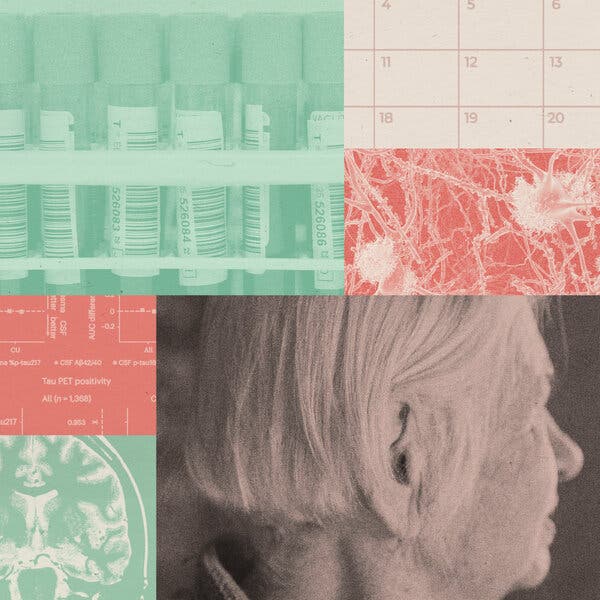
Recent studies unveiled at the Alzheimer’s Association International Conference in London have highlighted the potential of blood tests in transforming Alzheimer’s diagnosis. These tests could potentially identify individuals at risk of developing Alzheimer’s and provide predictions on its onset.
Improved Diagnostic Accuracy
A study presented on Tuesday demonstrated that primary care doctors who had access to these blood test results showed marked improvement in diagnosing whether cognitive symptoms were due to Alzheimer’s.
Predicting Future Risk
Another study, published in the journal JAMA, revealed that blood tests could forecast an individual’s risk of developing Alzheimer’s-related cognitive impairment over two, five, and ten years. This research underlines the growing promise of these tests to facilitate easier diagnosis and alert healthy individuals about their future risk.
Goals of Early Intervention
The ultimate aim is to treat Alzheimer’s at its earliest stages. Researchers are focused on discovering methods to delay its progression and potentially prevent memory and cognitive issues entirely.
Challenges and Considerations
Though these findings are encouraging, experts advise caution. Questions persist regarding the optimal usage of these tests and the concerns about their accuracy. As research continues, the medical community is eager to understand how best to incorporate these blood tests into routine diagnostic practices.
 Understanding Addiction Risks After Presley Gerber’s Death
  Managing Distress: Insights and Techniques
  Best Practices for Safe Consumption of Fresh Produce
  The Complexity and Prevention of Suicide
  A Journey Through Cancer: Reflections on Diagnosis and Metaphor
  Impact of Sleep Types on Disease Risk