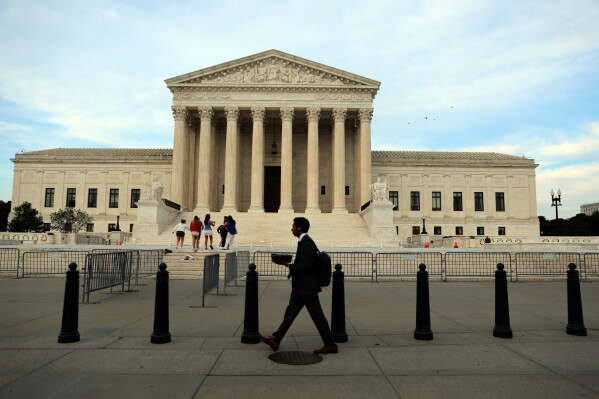
The Trump administration has expressed strong opinions on birthright citizenship. This practice automatically grants citizenship to nearly everyone born in the U.S. President Donald Trump has labeled it as “a disgrace.” Top White House adviser Stephen Miller described it as “the gravest and most preposterous of constitutional abominations.” Vice President JD Vance, in 2025, remarked that it was “the dumbest immigration policy in the world.” Trump has repeatedly claimed, “We’re the only country that has it,” although this statement is false.
The Supreme Court is expected to soon rule on a Trump executive order that challenges more than a century of constitutional and legal history. “It’s all up to a couple of people,” Trump told reporters, expressing hope that they would make the right decision.
Historical Context of Birthright Citizenship
Birthright citizenship became law in 1868 after the ratification of the 14th Amendment. This was post-Civil War to ensure citizenship for former slaves. The scope expanded in the late 1800s with the Wong Kim Ark case, involving a man born in the U.S. to Chinese immigrant parents. Subsequent cases affirmed that anyone born in the U.S. is a citizen, regardless of their parents’ legal or temporary status. Exceptions exist, mainly for children born to foreign diplomats.
This legal principle is embedded in U.S. jurisprudence. Historically, it was not controversial until recent times. Even many Republicans spoke positively about immigration in the past. In 1984, President Ronald Reagan recognized the contributions of recent immigrants at a naturalization ceremony in Detroit, highlighting the hardships they overcame to reach the U.S.
Birthright Citizenship and Immigration Concerns
Immigration, particularly illegal immigration, has been a prominent theme in Trump’s campaigns. He cites record-high illegal border crossings under the Biden administration to argue against birthright citizenship. Trump views it as attracting illegal immigration and highlights illegal “birth tourism” networks that bring non-U.S. citizens to the country specifically for childbirth.
Legally, government lawyers argue against birthright citizenship by focusing on the phrase “subject to the jurisdiction thereof” in the amendment. This interpretation has questioned by some conservative Supreme Court justices during April’s oral arguments, diverging from most legal scholars’ views.
Global Perspective on Birthright Citizenship
Trump’s claim that the U.S. is the only country with birthright citizenship is inaccurate. While it is not a global norm, several countries, mostly in the Americas like Canada and Mexico, have unrestricted birthright citizenship. In contrast, other countries, such as Germany and Australia, determine citizenship using a mix of factors, including parentage, birthplace, residency, and ethnicity.
For more details, visit AP Fact Checks.
 The Cost of Challenging Beijing
 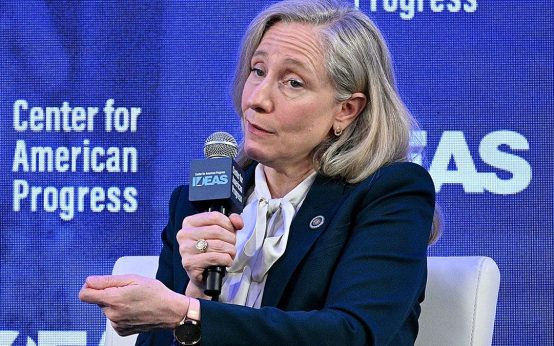 Analyzing Midterm Elections and Party Dynamics
 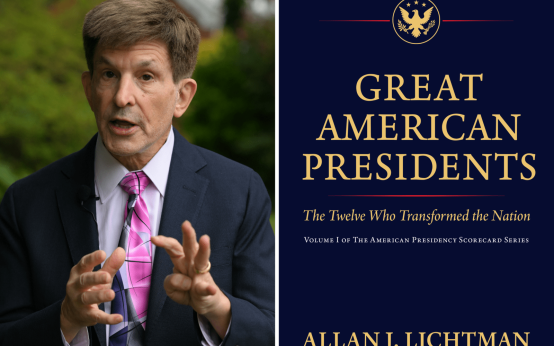 Allan Lichtman’s Framework for Assessing Presidential Greatness
 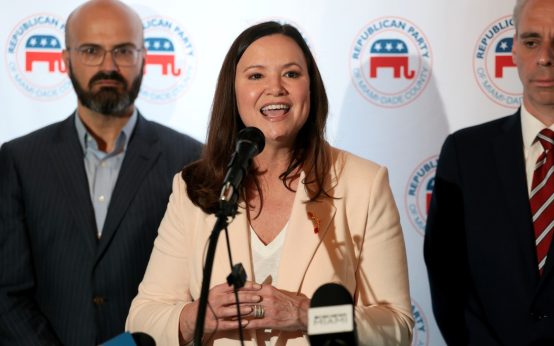 Florida Senate Race Tightens as Recent Polls Show Dead Heat
  Ethics Complaint Targets Colorado Representative Lauren Boebert
  Ken Paxton’s Campaign Funding and Polls