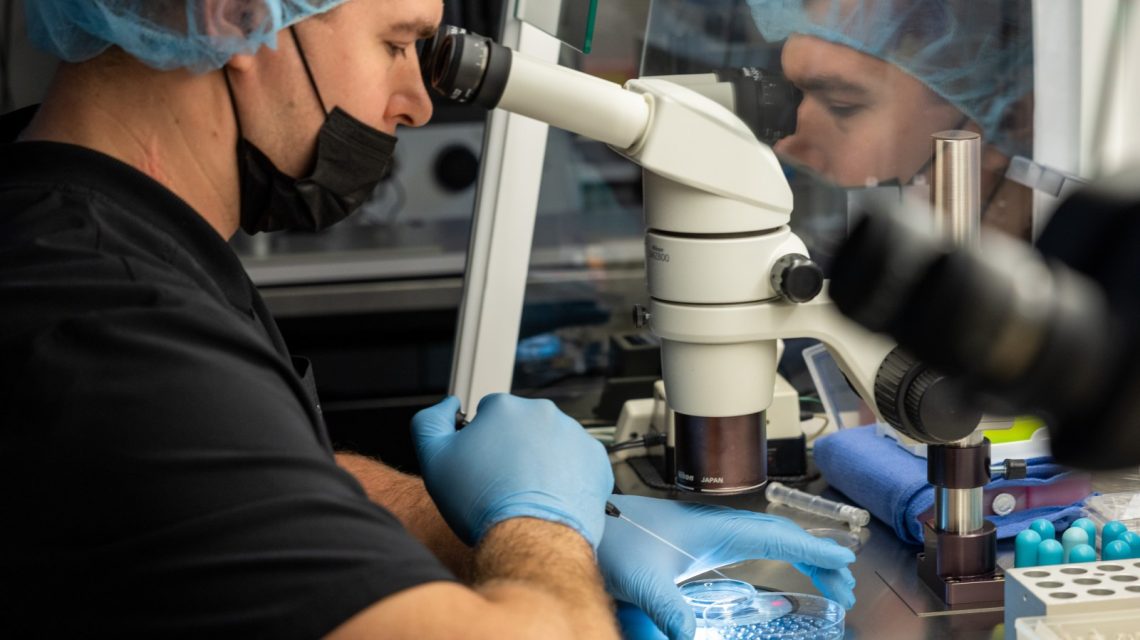
Patients of Baylor Genetics are being informed of a cybersecurity breach that exposed personal and medical data. Experts highlight concerns due to the inclusion of individuals involved in in vitro fertilization (IVF).
Details of the Incident
In June, Baylor Genetics discovered suspicious activity within its IT environment. It was revealed later that unauthorized access occurred between June 11 and June 17. By July 30, investigations indicated potential exposure of patient and employee details, such as lab results, health insurance data, and Social Security numbers.
“Upon identifying the incident, we immediately secured our systems, engaged leading independent cybersecurity and forensic specialists, notified law enforcement, and implemented additional security measures,” Baylor Genetics spokesperson Jason Maloni stated.
Response to the Breach
An investigation initiated around June 15 confirmed unauthorized access impacting data storage and network regions within the company. Despite this, laboratory services continued unaffected. Baylor Genetics communicated with potentially affected individuals, urging them to implement fraud alerts and credit freezes to protect their Social Security numbers.
“We are pleased to say that our systems are operational, our environment is secure, and our important work with all stakeholders continues as usual,” Maloni added.
The company reports no confirmed misuse of compromised data.
Unique Risks for IVF Patients
The breach presents risks beyond identity theft. Sensitive fertility and genetic-testing data can enable criminals to initiate convincingly targeted scams. David de Paula Santos Silva of CyberX explained potential threats, such as impersonating related service providers demanding urgent payments.
“IVF also makes this particularly sensitive because people may already be dealing with significant emotional pressure, costs, and strict treatment timelines,” Santos Silva noted.
Lewis Berry from Inforcer emphasized how targeted scams related to IVF could exploit emotional distress, prompting reactions to threats about embryos or treatment payments.
Recommendations for Patients
Experts recommend cautious responses to communications about fertility treatments or billing. Danny Jenkins of ThreatLocker advises skepticism of emails implying urgency, suggesting direct contact with service providers for confirmation.
“Slow down if you get an email asking for payment,” Carl B. Johnson of Cleared Systems warns.
Patients should monitor for credit issues and insurance inconsistencies.
Baylor Genetics assures strengthened security measures and collaboration with law enforcement, with no confirmed data misuse to date.
 Data Centers in Virginia face Growing Opposition
  The War on Poverty: A Lesson on Intentions and Outcomes
  Texas Leads Air Taxi Innovation with Project Nexus
  Florida Reports First Dengue Fever Death as Outbreak Expands
  Experts Warn Against Alarmism in AI Governance
  Florida Man Claims ‘Lion Diet’ Transformed Health and Life