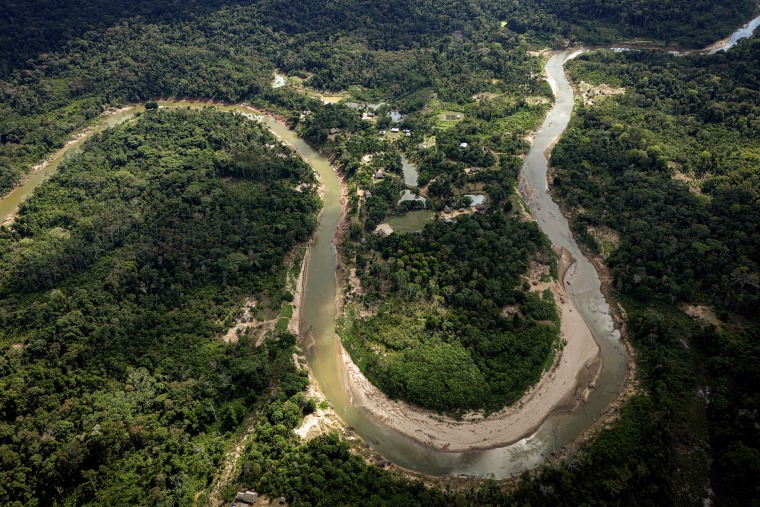
The Ashaninka Indigenous community, renowned for reclaiming their land at the Brazil-Peru border and maintaining governance while cultivating crops and preserving forests, faces a serious threat. Drug traffickers and gangs are intruding on their land, using Amazon rivers for trafficking routes. Ashaninka leaders have reported violent incidents recently and have reached out to Brazilian officials for protection, leading to a temporary deployment of security forces. Yet, permanent threats persist as stated by various Indigenous groups.
This encroachment is part of a larger change in the Amazon as criminal routes expand along the Solimoes River route. Protecting Indigenous lands is vital to curbing Amazon deforestation, a critical factor in global climate regulation. However, these forests make ideal hideouts for traffickers, thus posing risks to the communities that protect them.
Despite efforts to seek help, the response from Brazilian authorities remains insufficient. ‘There is an institutional and intercultural blind spot in the public security services provided to Indigenous peoples,’ said Maj. Jonatas Soares, a police officer from Tabatinga, Brazil. Although the state recognizes these territories, it fails to provide ongoing protection tailored to these communities’ needs.
The state formally recognizes their territories, yet it fails to translate that presence into continuous protection tailored to their specific needs.
The Solimoes River route, comprising various rivers from the Peruvian border to Manaus, Brazil, has become key for moving cocaine from Peru, Colombia, and Bolivia to Atlantic ports, primarily controlled by the Brazilian gang Red Command. Col. César Mello, a retired Amazonas police officer, explains that the location, lack of government oversight, and cultural barriers leave Indigenous people vulnerable, often recruited by criminal groups with promises of money and status. Failing that, violence occurs.
The Ashaninka resist infiltration by preserving laws and traditions. They previously rejected attempts to build a clandestine airstrip by drug traffickers. ‘We have a long history of opposing any kind of illegal activity,’ says Francisco Piyãko, coordinator of Indigenous Peoples of the Jurua River. Recently, tensions rose when armed men invaded the Kampa Indigenous territory, threatening leaders. Piyãko filed complaints with Acre authorities, leading to security force deployment.
Brazil’s Ministries of Indigenous Peoples, Foreign Affairs, and Justice did not comment on the matter. The Brazilian Army and Acre state also remained silent. Earlier, Brazilian Supreme Court Justice Flávio Dino called for intensified efforts against criminal networks in the Amazon. Piyãko emphasized the state’s responsibility in confronting these armed groups, underscoring their past absence as the cause of the escalating threat.
They allowed this to happen through their absence, so they bear that responsibility.
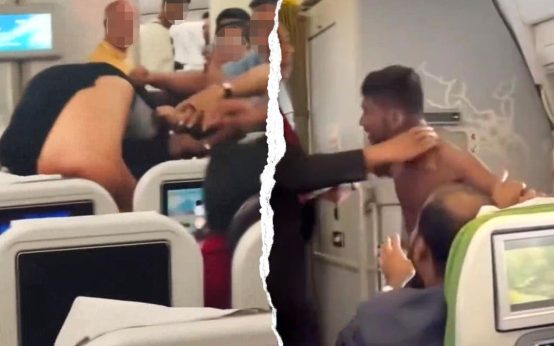 Midair Altercation on Bangladesh to London Flight
 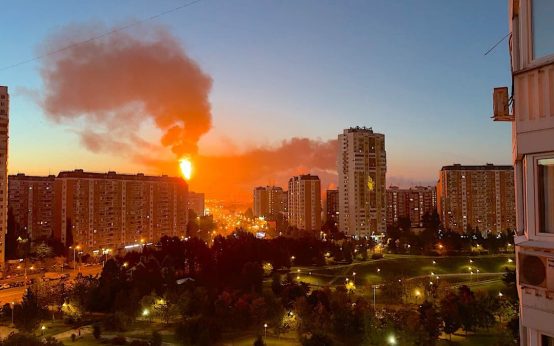 Ukraine Missile and Drone Barrage Hits Russia Amidst Elections
  U.S. Strategic Goals Remain Unmet Amid Prolonged Conflict
  New Photos Reveal Damage from Iranian Strikes in the Middle East
  Assassin of Chilean Diplomat Orlando Letelier Faces Deportation 50 Years After Assassination
  Gorillaz and Macklemore Respond to Controversy Over Israel-Palestine Statements