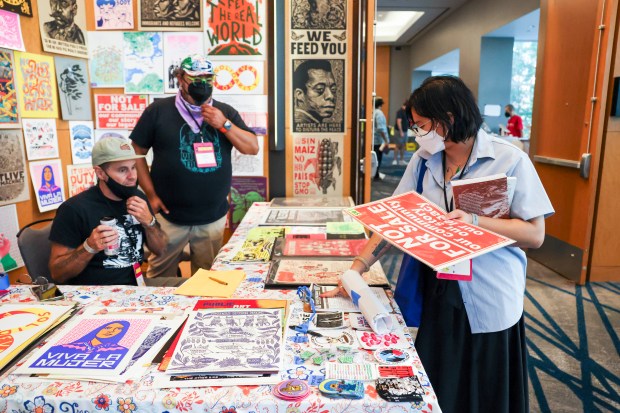
The Socialism Conference returned to downtown Chicago for its 24th year, bringing together approximately 3,000 socialists, radical activists, and community organizers. Set in the conference rooms of the Hyatt Regency at McCormick Place, attendees discussed strategies for workers in America.
The Democratic Socialists of America (DSA) leadership expressed optimism, viewing victory as an ideal to pursue. The conference, initiated in 2002 by the International Socialist Organization and now organized by Haymarket Books, spans four days of discussions on various topics. These include issues like organizing in rural areas, protesting tech giants, and exploring the resurgence of socialist ideas.
The popularity of socialism has risen in recent years. DSA membership reached record highs, with socialist candidates performing well in elections nationwide. In the fall, socialists are expected to compete for major positions in cities like Los Angeles and Seattle.
Inside a ballroom filled with vendors promoting progressive movements, participants like Ant Smith from the W.E.B. Du Bois Movement School discussed the current appeal of socialism. He noted the interest sparked by figures like Zohran Mamdani.
Attendees shared mixed feelings. Asha Barnes and Rakaya Abda, attending for the first time, expressed initial reservations but found inspiration in speakers such as Angela Davis. Abda, a Chicago organizer, noted a connection with people of color attending for a lasting impact.
Polls show a majority of Americans view socialism negatively, though generational divides exist. Older voters often associate socialism with income redistribution, whereas younger voters focus on economic equality.
Before the conference, Republican gubernatorial candidate Darren Bailey held a press conference outside the venue, noting the symbolism of the event in a hotel linked to Gov. JB Pritzker. Inside the conference, ongoing philosophical debates among attendees highlighted splits within political ideologies.
One long-term attendee, Mel Bienenfeld, reflected on socialism’s growth since Bernie Sanders’ presidential run. While engagement with electoral politics through groups like the DSA was acknowledged, debates over principles persisted.
The conference debated the nature of socialism as either a political party or a set of ideals. Megan Romer, co-chair of the DSA, regarded the event as educational rather than purely for recruitment.
Throughout the century, Chicago maintained its historical connection to socialism. Figures like Eugene Debs and organizations such as the Industrial Workers of the World have strong ties to the city.
At the event, diverse attendees identified as various types of socialists—ranging from Marxist-Leninists to Libertarian Socialists. Workshops included topics like union organizing, emotional support networks, and de-escalation training.
Musician Steff Reed, with Songs in the Key of Resistance, led the group in movement songs, emphasizing unity and resilience. The conference showcased a blend of discussion, music, and mutual support, echoing the central theme of solidarity among participants.
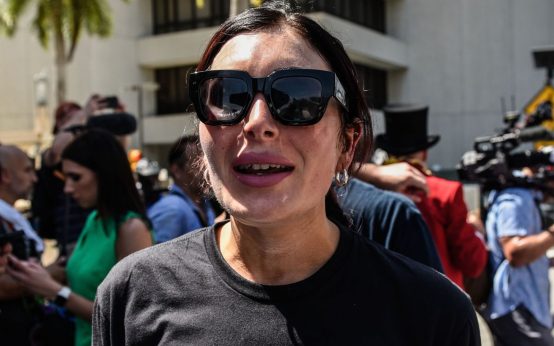 Laura Loomer’s Predictions and Poll Insights on Midterm Elections
 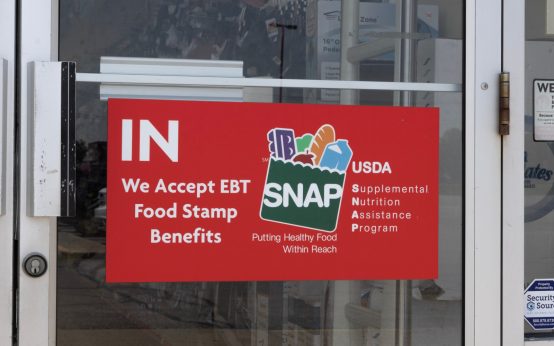 SNAP October Payments and Changes in Enrollment
 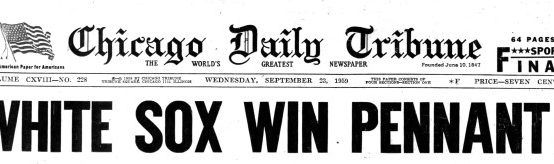 Historical Highlights of September 22 in Chicago
  Voter Sentiment Against President Rises in Recent Poll
  Media Backlash Against Trump’s Press Exclusions
  U.S. Considers Belarus for Potash Purchases to Cut Fertilizer Costs