
Artificial Intelligence Data Centers
Angie Nixon, who recently won Florida’s Democratic Senate primary, has raised concerns regarding the expansion of artificial intelligence data centers. She suggested pausing new constructions, citing their effects on electricity costs, water supplies, and the environment. In a lighthearted moment, she proposed that if construction is unavoidable, it should take place at President Trump’s Mar-a-Lago estate.
Nixon called for a temporary halt on building these facilities until more research is conducted. Her comments are part of a broader debate over data centers, as bipartisan opposition surfaces due to their impact on utility bills and resources. States across the political spectrum have proposed moratoriums, yet President Trump has dismissed concerns, dubbing them a “hoax.”
Economic Benefits for Communities
Nixon suggested a system modeled after Alaska’s revenue distribution from natural resources. Communities affected by data centers would receive financial benefits. Although she did not detail the implementation, similar ideas are being explored elsewhere.
Illinois lawmakers have proposed payments to communities hosting certain data centers. In New York, the focus is on providing electricity-bill credits or energy improvements to nearby residents. At the federal level, taxing data centers has been proposed to mitigate their economic impact.
Political Environment and Challenges
Florida’s electoral landscape poses challenges for Nixon. Trump previously won Florida by a significant margin, and Republicans hold a substantial voter-registration advantage. It means overcoming a large gap for Democrats. Polls show mixed results. While some surveys indicate a tight race between Nixon and incumbent Republican Ashley Moody, others show Moody leading.
Democrats, despite recent victories in special elections within Florida, face an uphill battle. The state’s registration numbers and recent results favor Republicans. However, Nixon remains hopeful, aiming to leverage economic dissatisfaction among voters.
Nixon’s Affiliation and Campaign Strategy
Nixon joined the Democratic Socialists of America (DSA) but insists she does not identify as a socialist. In response to inquiries about potential voter alienation, Nixon emphasizes her broader platform supporting universal healthcare, public education, and affordable housing. She targets economic issues as central to her campaign, arguing that Floridians burdened by high costs might reconsider their previous support for Trump.
Despite attacks from Moody linking her to socialism, Nixon believes voters will make informed decisions. She critiques Moody and Trump’s alignment with wealthy interests. Her campaign focuses on policies like universal healthcare and childcare, aiming to resonate with working-class voters.
Foreign Policy Stance
On Israel, Nixon holds progressive views, not supporting U.S. financial aid currently. She advocates for diplomacy and changes in leadership toward peace efforts. She firmly distinguishes her criticism of the Israeli government from antisemitism, underscoring her support for Israel’s right to exist.
Conclusion and Campaign Outlook
Nixon’s race in Florida challenges her to defy current political trends. Despite obstacles, her campaign focuses on affordability and resonates with voter dissatisfaction. Her ability to close the gap in the Senate race remains uncertain.
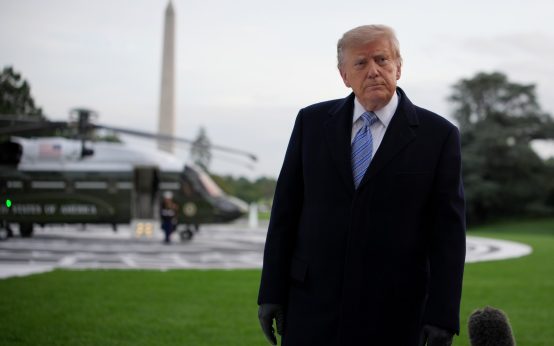 Trump Administration Cuts Nearly $1 Billion in Pocket Rescission
 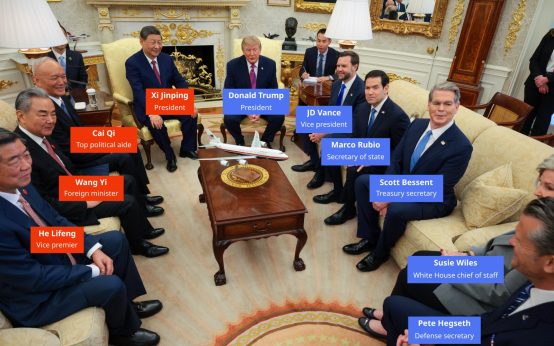 Xi Jinping’s Quest for Global Leadership and Succession Challenges
  Trump Credits His Approach in Addressing Crime Issues
 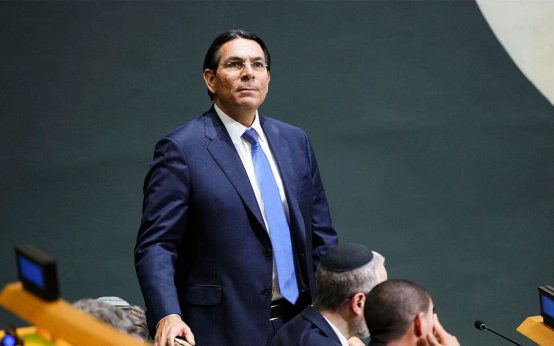 Israel’s U.N. Ambassador’s Viral Video Reaches Iranian Audience
 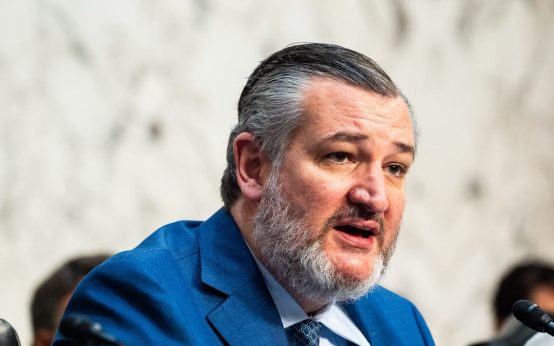 America’s AI Competition with China Sparks Debate Amidst Coordinated Campaigns
  Trump’s Remarks on Ukraine-Russia War Casualties and Peace Efforts