
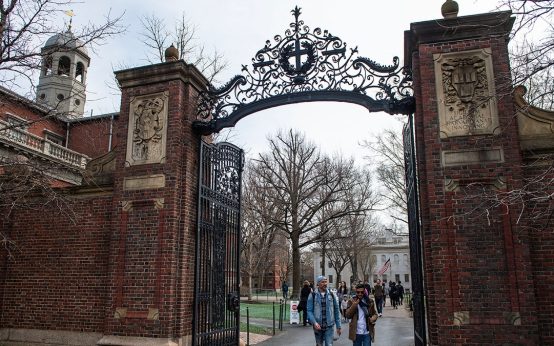
Recent data from the National Assessment of Educational Progress reveals positive trends in reading and math scores for 9-year-olds, as reported by Olivier Touron/AFP via Getty Images. These findings reflect improvements following a period of decline, signaling an optimistic outlook according to Matthew Soldner, acting commissioner of the National Center for Education Statistics.
National Progress Evaluation
The long-term trend report examines the progress in reading and math among 9- and 13-year-olds. These assessments, carried out periodically since the 1970s, are a part of the National Assessment for Educational Progress (NAEP). Over 30,000 students participated in the tests conducted between October 2024 and March 2025.
Key Insights from the Results
1. Positive Gains for Younger Students
The younger group showed improvements in both reading and math, benefitting even lower-performing students. This trend is particularly encouraging since these students avoided the critical disruptions faced during the pandemic. Their age group signifies a potential for reversing previous educational setbacks.
2. Stagnation in Older Students
Conversely, the 13-year-olds exhibit no significant progress in reading or math since the pandemic began. Disruptions during their elementary years might have influenced these results. Consistent scores with earlier decades highlight an urgent need for policy interventions, as emphasized by Lesley Muldoon, executive director of the National Assessment Governing Board.
3. Decrease in Reading for Pleasure
Fewer students are engaging in recreational reading. For 13-year-olds, the percentage has plummeted from 35% in 1984 to just 14% in recent years. While 37% of 9-year-olds still enjoy reading for pleasure, this number is significantly lower than in past decades.
4. Decline in Math Scores for Teenagers
A concerning trend in 13-year-olds is the erasure of past progress in math scores. Gains seen from 1978 to 2012 have largely dissipated, emphasizing the need for enhanced focus during middle school years, according to Muldoon.
5. Hiatus in Long-Term Trend Reports
This report marks the last release of the long-term trend assessment for several years. Budget cuts by the Trump administration in 2025 impacted the U.S. Education Department, resulting in significant workforce reductions and the suspension of national and state student progress assessments until 2033.
The editorial team for this report includes Nirvi Shah, with LA Johnson contributing to visual design and development.
 Concerns Over AI’s Impact on Higher Education Learning
  Remote Work Benefits Students and Societies Alike
  Implications of Stripping Tax-Exempt Status from Schools Engaging in Racial Admissions Policies
  Challenging Inappropriate Books: The Struggle Against Criticism
  AI’s Impact on College Admissions Jobs
  Community Colleges in Chicago Prepare for AI’s Role in Workforce