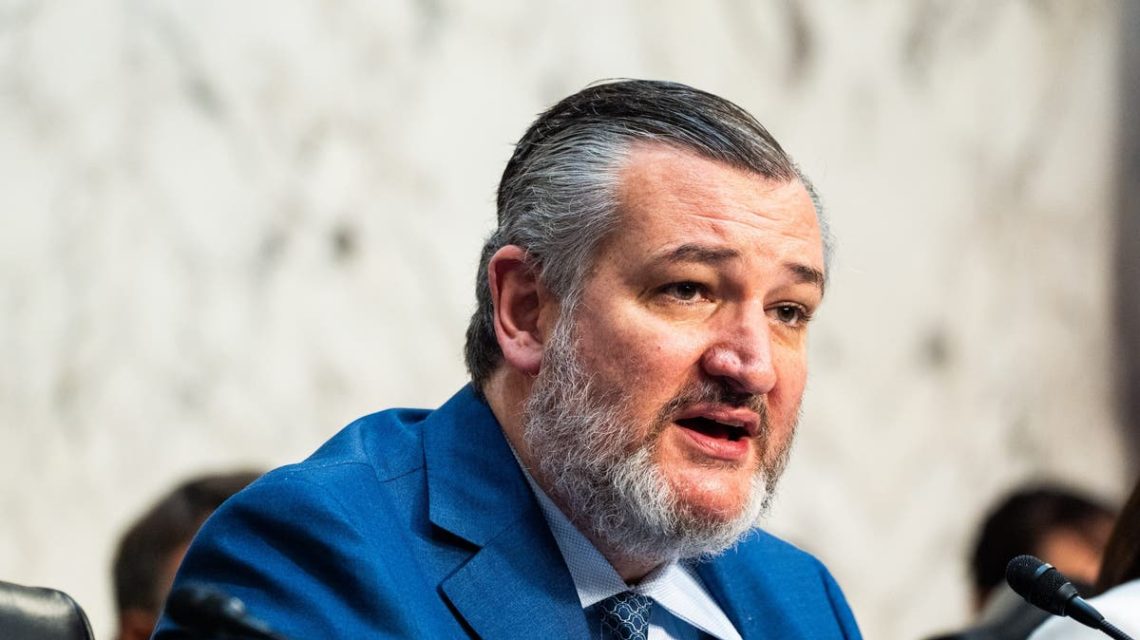
The ongoing competition between the United States and China in artificial intelligence (AI) has become a central focus as the midterms approach. According to Sen. Ted Cruz of Texas, this rivalry is marred by a ‘coordinated’ propaganda campaign.
In recent discussions at both congressional sessions and American household tables, data centers and AI policies have been hot topics. Cruz, who leads the Senate Commerce Committee, has expressed concerns over opposition to data centers being manipulated by a well-funded campaign.
“It’s similar to how Middle Eastern countries funded anti-fracking efforts,” Cruz noted. “They gain if America halts its own oil and gas developments. Likewise, if China succeeds in promoting the idea that Americans should ignore domestic data centers, it benefits them greatly.”
A recent hearing of the Senate Commerce, Science, and Transportation Committee saw testimonies from key tech figures such as Sam Altman of OpenAI, Lisa Su of AMD, Michael Intrator of CoreWeave, and Brad Smith of Microsoft.
Concerns Over Influence Operations
No direct funding from the Chinese government into U.S. data center policies has been confirmed. However, in June, OpenAI flagged and banned ChatGPT accounts believed to originate from China. These accounts had engaged in spreading narratives that opposed data centers, claiming increased electricity costs for Americans.
OpenAI stated they shut down clusters of accounts, believed to be part of covert influence efforts to sway debates on American AI and tech policies.
Cruz emphasized the critical nature of this issue, describing it as “the single most important economic question facing America today.”
Implications of AI Dominance
If China emerged as a leader in AI, it could prioritize espionage, propaganda, control, and surveillance, reflecting Chinese Communist Party values. However, a U.S. victory in the AI race would ideally promote values of free speech, individualism, free enterprise, and privacy, according to Cruz.
He criticized the prevalent opposition to AI progress and data centers within the Democratic Party, associating it with large industry players seeking exemptions from antitrust laws.
Effective Altruism and AI
Cruz linked this opposition with leftist philosophy, specifically ‘effective altruism.’ He described efforts by this group as a ‘money grab,’ where large companies seek government protection and control.
Investigative researcher Parker Thayer from the Capital Research Center identified effective altruism with what he terms the ‘AI doomerism movement.’
Dustin Moskovitz, a co-founder of Facebook and a significant Democratic donor, along with his wife Cari Tuna, has been instrumental in funding organizations tied to this movement. Through Coefficient Giving, previously known as Open Philanthropy, Moskovitz and Tuna have rapidly expanded their AI-related work with substantial financial commitments.
By 2026, Coefficient Giving aims to allocate more than $1 billion towards AI policy advocacy. Their initiatives span areas like effective altruism, global catastrophic risks, and AI safety and security.
In 2015, Coefficient Giving initiated ‘Project Tailwind,’ encouraging the launch of ambitious AI safety projects, fully backed by Moskovitz’s funding.
For continued coverage and updates, Preston Mizell writes for Fox News Digital handling breaking news stories.
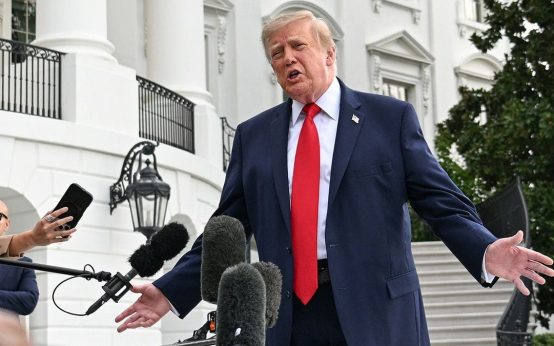 Trump’s Remarks on Ukraine-Russia War Casualties and Peace Efforts
 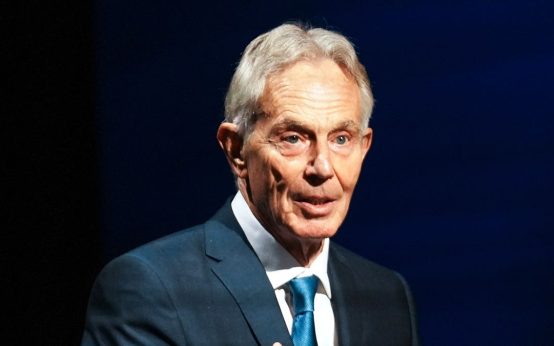 Tony Blair Warns Europe to Maintain U.S. Alliance
 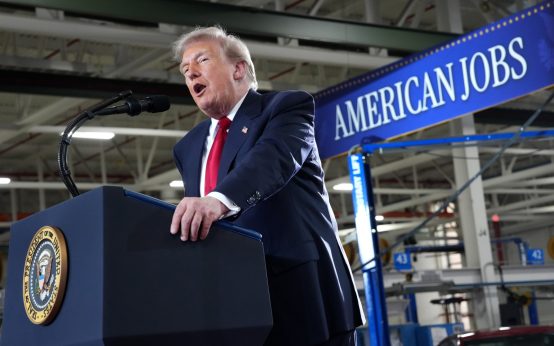 Trump Claims New Fuel Economy Standards Will Reduce Car Prices
  Trump TV Trademark Could Impact Government Use
  Trump Faces Record Low Approval As Midterms Approach
  New Legislation Ensures Faster Care for Abused Animals in Shelters