Alberta’s Independence Vote: A Glimpse at Current Dynamics
The likelihood of Alberta voting for independence in 2026 has slightly decreased after previously escalating. This change followed the province’s decision to hold a referendum on its status within Canada. The prediction platform Polymarket put the odds of a vote for independence at 12.7% as of Monday, a decrease from 17% last Friday. The decrease occurred after Alberta Premier Danielle Smith scheduled a nonbinding referendum for October 19.
Prime Minister Carney Weighs In
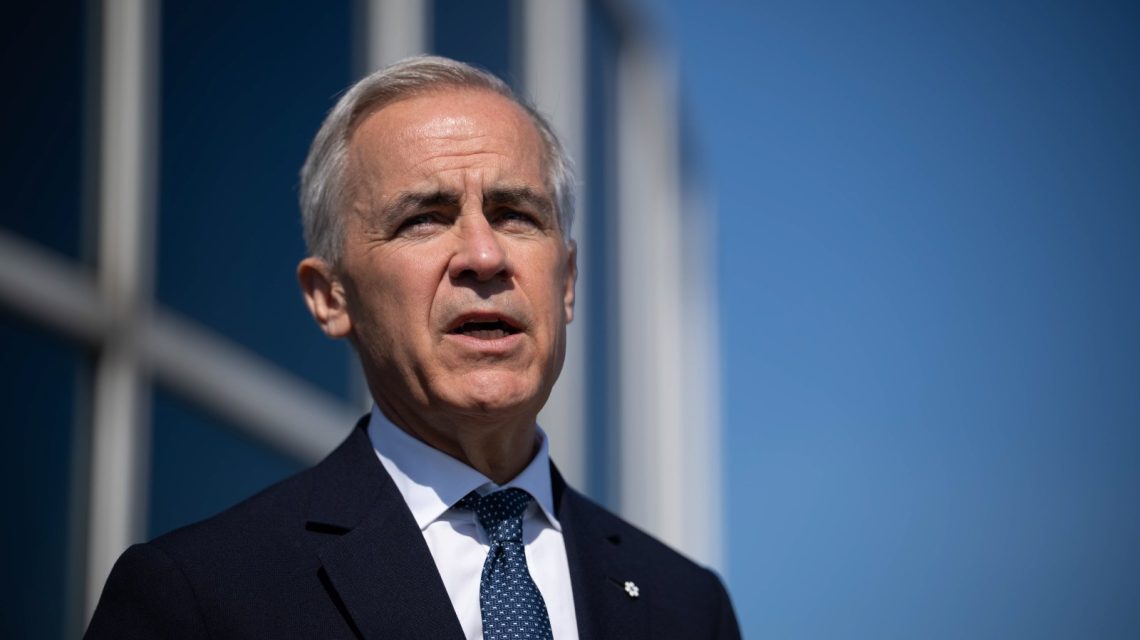
Canadian Prime Minister Mark Carney issued a strong warning, drawing parallels between the Alberta vote and the UK’s Brexit referendum in 2016. Carney, who was the Bank of England’s governor during Brexit, cautioned that people often misjudge the long-term effects of such decisions. “They’re still 10 years later trying to undo what people didn’t think they were voting for,” he stated, referring to Brexit.
Smith vs. Carney: Diverging Views on Referendum
On May 21, Smith announced an additional question on an existing ballot about Alberta’s status in Canada. Despite her personal preference to remain part of Canada, Smith emphasized giving voice to those seeking independence.
Carney criticized the referendum as undemocratic, arguing, “Did they vote for this in the last provincial election? No, they didn’t.” He pledged to campaign against separatism, advocating for a united Canada. “There’s a strong positive case for Canada,” he asserted.
Smith’s office responded to Carney, highlighting the frustrations stemming from ten years of what they described as ineffective policies by previous administrations.
“Albertans’ frustrations have been fueled by the last 10 years of disastrous policies from Ottawa under … Justin Trudeau,” Smith said.
Trends in Prediction Markets
Prediction markets like Polymarket and Kalshi saw a rise in independence odds following Smith’s announcement. Polymarket noted the odds jumped to 17% from 9% previously. Similarly, Kalshi’s odds rose to 29% before tapering off to 25% by Sunday. These markets use trader sentiment to gauge political outcomes, though not always accurately.
Factors Leading to the Referendum
The separatist group Stay Free Alberta initiated this movement by submitting over 300,000 signatures to prompt a binding referendum. However, legal challenges and concerns over treaty rights with First Nations halted their petition. This led Smith to propose an alternative, nonbinding referendum.
Collaboration on a Pipeline Project
Even with differing views on the referendum, Smith and Carney have worked together on a federal initiative to build a pipeline to the Pacific. This project aims to appease discontent within Alberta, which feels underrepresented on environmental issues despite being a key economic player.
On May 15, Carney and Smith announced a climate and energy agreement for a West Coast Oil Pipeline, potentially beginning construction on September 1, 2027. This pipeline would transport significant oil quantities to Asian markets.
“Today is also about building trust in a Canada that works,” Carney remarked, highlighting the agreement’s significance for cooperative federalism.
 Poll Reveals MAGA’s Increasing Popularity Over DSA as Democrats’ Future Debated
  North Korea’s Hypersonic Weapon Test Amid Global Tensions
  Debate Over ICE Action in Austin Escalates
  President Trump Warns of Escalating War with Iran at UN Assembly
  Tariffs and Their Impact on Everyday Products
  Senator Criticizes Drug Policy After Ohio Tragedy