
The city of Washington, D.C., has long been a hub for diplomatic discussions, often held within the confines of historic homes beyond the well-known White House. The residences of ambassadors serve as more than just living spaces; they are arenas where national interests are advanced.
The Indonesian Embassy
This grand mansion, situated in the Dupont area, carries a rich history. Built in 1901, it was once the home of Evalyn Walsh and Edward Beale McLean, associated with the legendary Hope Diamond. In financial decline, the house was sold to Indonesia for $335,000 in 1951. The embassy now features a prominent atrium with Tiffany-style stained glass, housing significant Indonesian artworks.
Italian Ambassador’s Residence
Known as Villa Firenze, this 22-acre estate requires ample care. The mansion, built in 1927, once belonged to the Guggenheim family. It is decorated with art that celebrates Italy, such as Murano glass and marble pieces. The residence includes one of the few private bowling alleys in the city, which the ambassador often uses to entertain guests.
Algerian Ambassador’s Residence
Initially purchased by Vice President Lyndon B. Johnson, this residence temporarily served as the White House following President Kennedy’s assassination. The mansion retains various furnishings from Johnson’s time, including his favorite armchair and his leather-top desk, now used by the ambassador.
British Ambassador’s Residence
This historically designed residence, built in 1930, resembles American homes through the use of local materials like Indiana limestone and Vermont marble. It boasts a six-acre garden with a large collection of orchids and art pieces, such as an Andy Warhol print of Queen Elizabeth II. A notable painting by President Eisenhower sits inside.
Old Japanese Ambassador’s Residence
Constructed in 1932, this building played a significant role during World War II, as it was where the ambassador was during the attack on Pearl Harbor. The residence features a traditional teahouse, symbolizing U.S.-Japanese relations, along with a rich library.
Mexican Cultural Institute
Formerly the Mexican ambassador’s residence, the Institute houses a mural by Roberto Cueva del Río, illustrating Mexican history. The ambassador describes ongoing U.S.-Mexican relations as complex. Social gatherings often feature Mexican cuisines, such as mezcal, tequila, and tacos.
Finnish Ambassador’s Residence
The Finnish residence, built in 1919, is characterized by Nordic design and functionality. It includes two personal saunas, significant given Finland’s cultural affinity for them. The embassy’s sauna hosts the “Diplomatic Sauna Society” for cultural exchange.
This series was produced with contributions from Joshua Carroll, Allison Robbert, and various editors and designers.
 Minnesota Lynx Coach Cheryl Reeve Voices Support for Transgender Community Amid Controversy
 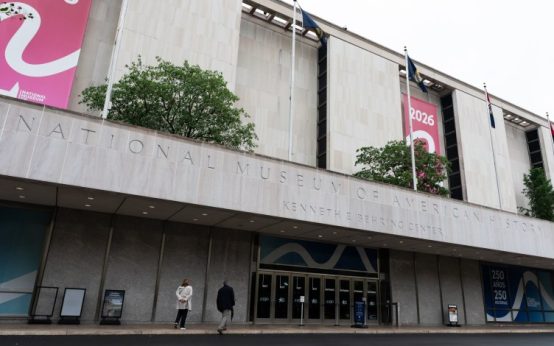 Smithsonian’s History Museum Faces Scrutiny Amid Debates on Ideological Influence
 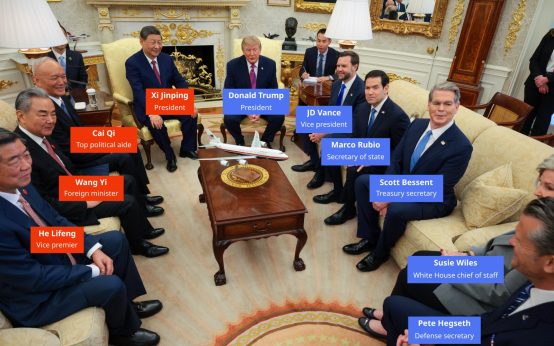 Xi Jinping’s Quest for Global Leadership and Succession Challenges
 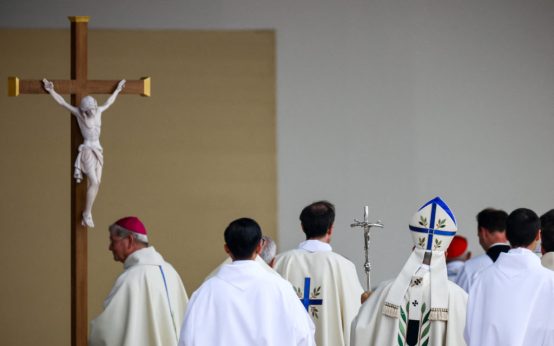 Pope Leo XIV Draws Massive Crowd in Paris, Highlighting Enduring Catholic Influence
  Pacific Hurricanes Pose Flood Risk to Southern California
 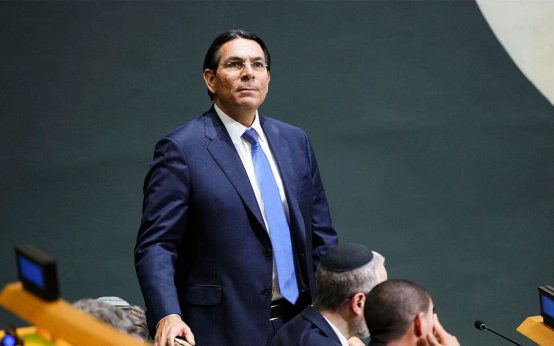 Israel’s U.N. Ambassador’s Viral Video Reaches Iranian Audience