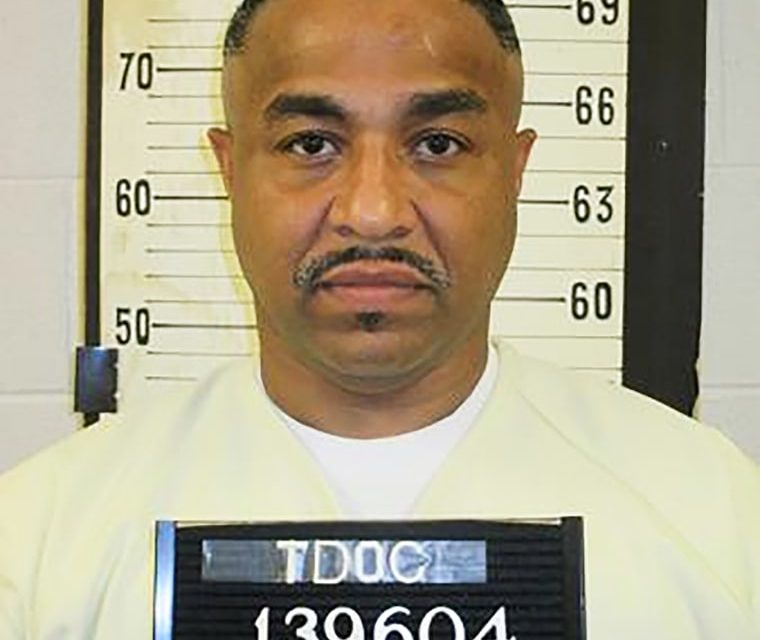
The execution of Tony Carruthers was postponed after Tennessee Department of Corrections encountered difficulties finding a vein to establish a backup injection line. Although medical personnel were able to insert a primary IV line, the department’s protocols require a second line, which they could not establish.
Governor Bill Lee granted Carruthers a one-year reprieve, citing the issues with securing a second vein. Additionally, personnel struggled to insert a central line, leading to the execution’s cancellation.
Before the events unfolded, Carruthers’ attorneys sought an emergency stay of execution due to the inability to set an IV line for lethal injection. Legal filings highlighted repeated, unsuccessful attempts to find alternate IV sites. Amy Harwell, a federal public defender, noted the execution’s pause and that Carruthers was medically assessed, emphasizing concerns about the justice system’s fairness.
Concerns were also raised over the potential use of expired drugs. Carruthers’ legal team had sought reassurances from the Tennessee Department of Correction that expired drugs would not be used. The department did not provide explicit assurances, prompting further worries.
Tennessee recently resumed executions after a three-year halt. The pause followed revelations that the state had not adequately tested lethal injection drugs. An independent review revealed untested drugs for several inmates in 2018. Execution procedures in Tennessee and other states are often secretive, with difficulties in obtaining pentobarbital, a common execution drug, due to manufacturer’s objections.
Historical context shows that Carruthers was convicted for the 1994 kidnapping and murder of three individuals: Marcellos Anderson, Delois Anderson, and Frederick Tucker. Carruthers has continually asserted his innocence, with no physical evidence linking him to the crime; the prosecution relied on a paid informant’s testimony. The victims were found buried with a blood-stained blanket in a Memphis graveyard.
Jonathan Montgomery, who led police to the grave, implicated his brother James and Carruthers. Found guilty of three counts of first-degree murder, Carruthers and James Montgomery were sentenced to death in 1996. Jonathan Montgomery died by suicide prior to the trial.
Carruthers represented himself in court, and appeals later argued his representation was inadequate, claiming he was not competent to stand trial. James Montgomery’s conviction was overturned due to concerns about a fair trial. A retrial involved requests for DNA testing, which revealed no matches to Montgomery or Carruthers, yet the request for additional testing was denied.
James Montgomery later accepted a plea for lesser charges and was released in 2015.
 Boat Capsizing in New York Harbor Leads to Criminal Charges Against Operator
  Florida Men Charged After Altercation in Publix Parking Lot
  Chicago Events Recap from Tribune Archives
  Infant and Woman Die in Boat Capsize Near Liberty Island
  Mother Shares Crucial Signs for Detecting Childhood Cancer
 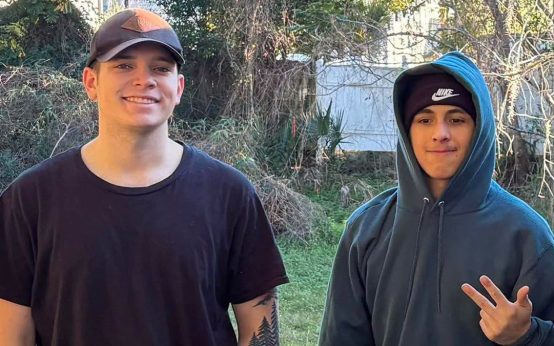 Teen Charged in Double Murder of Citadel Cadet and Friend