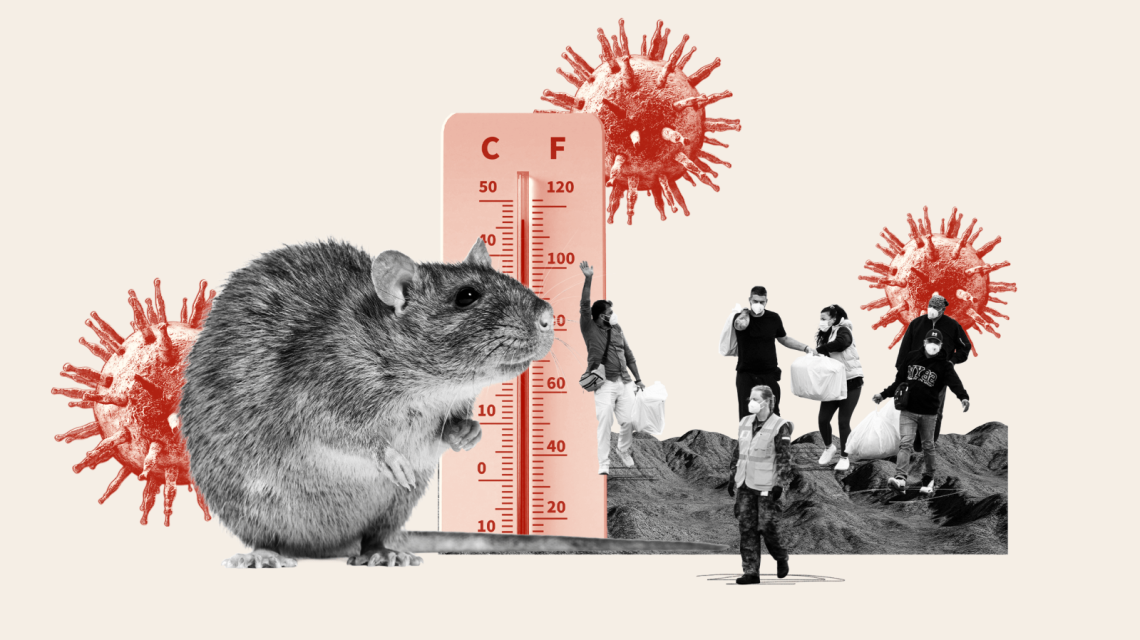
Experts warn that a developing “super El Niño” in the Pacific could heighten the risk of rare but deadly hantavirus infections in some areas of the United States this summer. The surge in rodent populations, which carry the disease, is a concern.
The recent hantavirus outbreak linked to the MV Hondius cruise ship has raised public awareness of this rare but dangerous virus. The outbreak resulted in fatalities and triggered a coordinated response, including monitoring and quarantine efforts across countries, including the U.S.
Understanding the 1993 Outbreak
The U.S. Centers for Disease Control and Prevention (CDC) began monitoring hantavirus in the U.S. in 1993. This was during the investigation of a mysterious and often fatal respiratory illness in the Four Corners region, covering Arizona, Colorado, New Mexico, and Utah. The culprit was the Sin Nombre virus, not the Andes strain behind the recent cruise ship outbreak.
That outbreak led to the identification of hantavirus pulmonary syndrome (HPS) and started national surveillance. Unusually strong rains were recorded in the Southwest that year, despite 1993 being an ENSO-neutral year. Similar weather could now affect deer mice populations in the U.S. Southwest this summer.
Defining Super El Niño
A “super El Niño” refers to a particularly intense version of El Niño. This natural climate pattern involves unusual warming of surface waters in the central and eastern Pacific Ocean. Such extreme cases are rare and bring significant disruptions to wind patterns and atmospheric circulation.
Earlier this month, NOAA’s Climate Prediction Center issued a forecast indicating:
- El Niño has an 82% chance of occurring between May and July.
- There is a 96% chance it will continue across the northern hemisphere from December to February 2027.
In the U.S., El Niño impacts several weather events, potentially leading to a weaker Atlantic hurricane season and heavier rains during the Southwest’s monsoon season. However, some effects will start as early as June.
Impact on Hantavirus Cases
Researchers suggest a strong El Niño can indirectly increase hantavirus risk. By boosting vegetation, heavier rainfall and warmer temperatures provide more food and shelter for rodents like deer mice, the primary carriers of the Sin Nombre virus.
According to Stephanie Seifert, associate professor at Washington State University, increased precipitation and consequently more vegetation can result in larger rodent populations. However, other studies point out that weather alone does not fully explain deer mouse population dynamics.
Increased rodent populations heighten the likelihood of human contact, particularly in rural or agricultural areas or enclosed spaces, raising infection risk. Similar conditions were linked to the 1993 outbreak that brought hantavirus national attention.
Symptoms of Hantavirus
The Sin Nombre virus is most prevalent in North America and is not known to spread from person to person. HPS follows a consistent symptom progression: a flu-like phase leading to a severe respiratory phase.
Early symptoms include:
- Fever
- Fatigue
- Muscle aches
- Headache
- Chills
- Gastrointestinal issues
The cardiopulmonary phase, starting four to ten days after, includes:
- Cough
- Shortness of breath
- Chest tightness
- Rapid breathing
- Worsening fatigue
In severe cases, individuals may experience low blood pressure, irregular heart rate, and respiratory failure, leading to a fatality rate of up to 60%.
Identifying Deer Mice
Deer mice, unlike house mice, can carry hantavirus, explained Orkin Entomologist Shannon Sked. They can become household pests, especially in colder times. Increased rainfall prompts vegetation growth, facilitating larger deer mouse populations.
“Care should be taken when cleaning up mice droppings,” Sked advised. Use sanitizer before clean-up to mitigate virus exposure as droppings can sustain hantavirus for up to six days.
Prevention includes sealing entry points in homes as mice can fit through holes as small as a dime.
Future Measures
Even if environmental conditions favor increased rodent populations, hantavirus infections in the U.S. remain rare and preventable. Avoid contact with wild rodents, seal gaps in homes, and use proper protective measures such as disinfecting areas before cleaning to significantly reduce risk.
Despite the low incidence, Stephanie Seifert emphasizes vigilance as there hasn’t been a year without HPS cases since its discovery in 1993.
 Remote Work Benefits Students and Societies Alike
  Challenges and Changes in the 911 Call Taking System
  Measles Exposure in Philadelphia Raises Health Concerns
  Lawsuits Claim Vision Loss Risk from GLP-1 Medications
  States Tighten Regulations on Tianeptine, Known as ‘Gas Station Heroin’
  Medicare Lab Test Payments: Upcoming Changes and Their Implications