
More than 40 million people across the United States and Canada rely on the Great Lakes for their drinking water. This water, treated for consumption, contains countless tiny plastic particles, known as microplastics. These microplastics carry toxic chemicals associated with cancer and various other diseases.
The contamination is not limited to water. Fish from the Great Lakes, often featured in traditional Midwestern dishes such as fish fries and fish boils, are also affected. These fish constitute a significant portion of the diet for Indigenous tribes, certain immigrant groups, and communities of color.
Despite this, plastic pollution remains unregulated. At the same time, manufacturers are planning to significantly increase plastic production in the United States. The Chicago Tribune is investigating this issue, placing emphasis on the Great Lakes, which represent the largest fresh surface water source in the world.
When asked about the pollution, industry leaders frequently shift the blame onto consumers. They employ tactics reminiscent of those used by Big Tobacco, drawing from the findings of the Tribune’s examination of numerous government, scientific, and internal industry documents.
This reporting, backed by the Pulitzer Center’s StoryReach U.S. initiative, aims to address the spread of plastic waste in the Great Lakes. It will explore research concerning health risks and possible solutions.
On May 1, 2026, Sherri Mason, a researcher at Gannon University, collects plastic pellets—each just slightly larger than a grain of rice—from the ground where they fall during transfer from rail cars to trucks. These pellets are then sent to local producers in Erie, Pennsylvania. (Brian Cassella/Chicago Tribune)
The Great Lakes are becoming increasingly clogged with plastics, as the industry continues to manufacture more while minimizing the associated risks. The Tribune’s analysis has revealed that many of the world’s leading companies play down the dangers of plastics, exaggerating the feasibility of recycling.
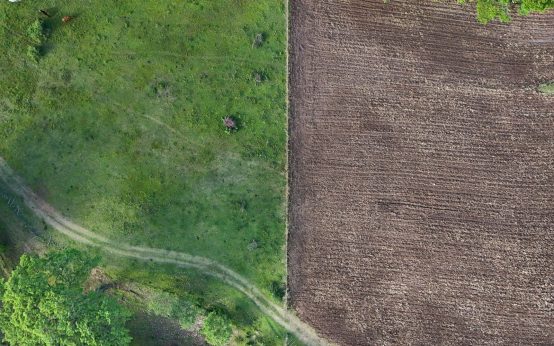 Impact of El Niño on Global Food Prices and Agricultural Commodities
  Pacific Hurricanes Pose Flood Risk to Southern California
  Potential Agreement on Permitting Reform
 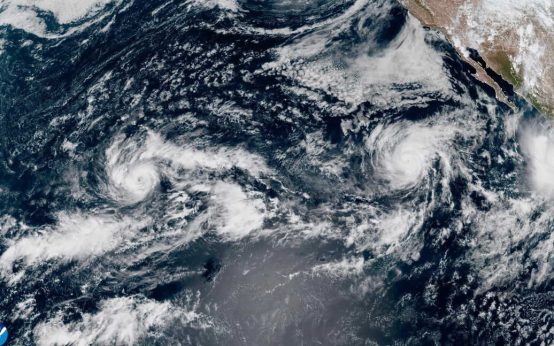 Hurricane Season: Divergent Trends in the Atlantic and Pacific Oceans
 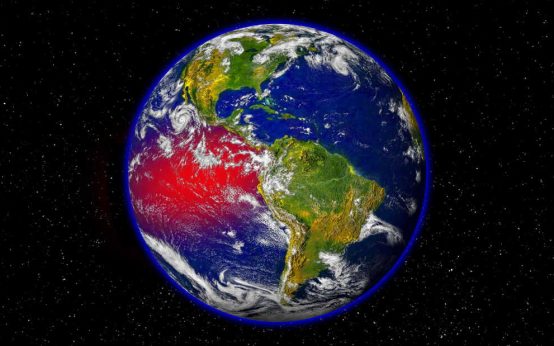 Understanding the Impact of a ‘Super’ El Niño
 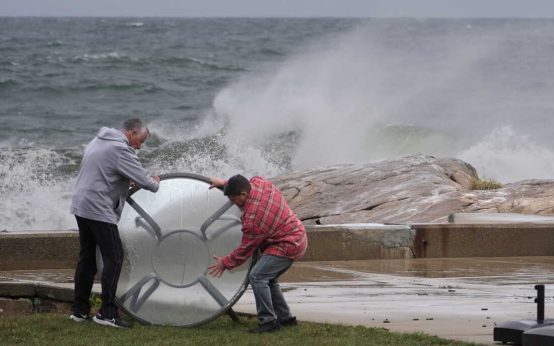 Nor’easter Hits Mid-Atlantic and New England; Hurricane Nolo Advances on Hawaii