Since the U.S. forces ousted Venezuelan leader Nicolás Maduro in a swift military operation, President Trump has hinted that a similar approach could occur in Cuba. He has openly stated “Cuba’s going to be next” and mentioned ideas about “taking Cuba in some form.” U.S. administrations have long attempted to change Cuba’s communist system, imposing sanctions with limited progress. Despite these efforts, living conditions in Cuba have deteriorated, worsened by an oil blockade following Maduro’s removal.
U.S. officials have engaged with Cuban figures to push for reform. Trump has emphasized a need for significant change in Cuba, echoing the Maduro operation. He remarked about “a new dawn for Cuba,” indicating a potential shift in leadership.
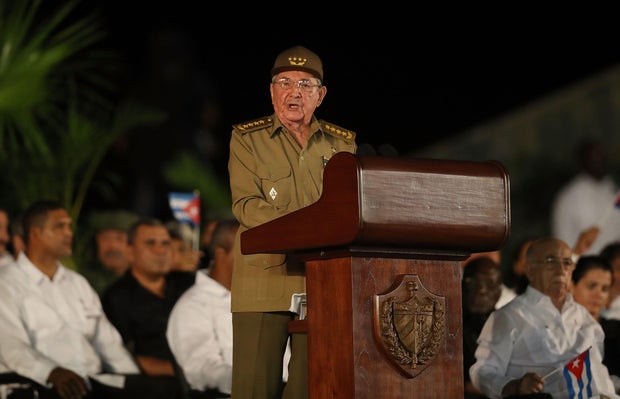
Raúl Castro
Raúl Castro, Fidel Castro’s younger brother, stepped down as president in 2018 and as the Communist Party leader in 2021. Yet, he is still seen as influential in Cuba. At 94, Raúl faces charges in the U.S. related to the 1996 shooting down of two planes by the Cuban exile group Brothers to the Rescue, including charges of murder and conspiracy.
Raúl led the armed forces while Fidel governed Cuba for nearly 50 years. In 2008, Raúl became president, succeeding Fidel as the Communist Party leader in 2011. He is more pragmatic, having established a notable U.S.-Cuba opening with then-President Obama in 2014, although this progress was largely reversed during the Trump administration.
Miguel Díaz-Canel
Miguel Díaz-Canel, Cuba’s president since 2018 and Communist Party leader, continues in a role lasting until 2028. The first leader not from the Castro family since 1959, he was chosen by Raúl for the presidency. Reports indicate the Trump administration doubts he can bring the needed changes.
Díaz-Canel views U.S.-Cuba talks as a means to resolve differences and move forward. In response to Trump’s military threats, he declared Cuba would resist any such attempt. However, experts often view him as a mere functionary without substantial power.
Oscar Pérez-Oliva Fraga
Oscar Pérez-Oliva Fraga, a great-nephew of Fidel and Raúl Castro, is Cuba’s deputy prime minister and minister of foreign trade and investment. At 55, the electrical engineer was appointed last October and has recently joined the National Assembly, enabling him to ascend to Cuba’s presidency legally.
Pérez-Oliva Fraga announced in March that the Cuban diaspora or exiles can invest and own businesses in Cuba, indicating a shift from state-run enterprises and a willingness to explore different economic directions. His role includes oversight of GAESA, a conglomerate controlling a significant portion of Cuba’s military-affiliated economy.
Raúl Guillermo Rodríguez Castro
Known as “Raulito,” Raúl Castro’s grandson, he serves as both bodyguard and advisor to Raúl. Despite lacking an official role in the government, he acts as a vital conduit between Cuban leadership and U.S. officials. Rodríguez Castro has been involved in discussions with Trump administration representatives.
Potential for a “Delcy” Figure in Cuba
The Trump administration’s actions in Venezuela suggest a possible template for Cuba. Post-Maduro, it recognized his vice president, Delcy Rodriguez, as interim president. A similar “Delcy” figure may emerge in Cuba, with Oscar Pérez-Oliva Fraga as a candidate.
Despite this, Ryan Berg notes differences, pointing out the absence of a clear Delcy Rodriguez equivalent in Cuba. While the U.S. explores options, Castro family members may play roles in future governance. Yet, Cuban authorities resist U.S. influence over their political system or leadership.
Professor William LeoGrande highlights Cuban leaders’ willingness to discuss economic issues but insists on national sovereignty regarding political governance. Potential agreements may face challenges due to these sovereignty concerns.
 Russia Receives Upgraded Su-57 Fighter Jets Despite Limited Role in Ukraine
  Five Suspects Arrested Near Key U.S. Bomber Base in U.K.
 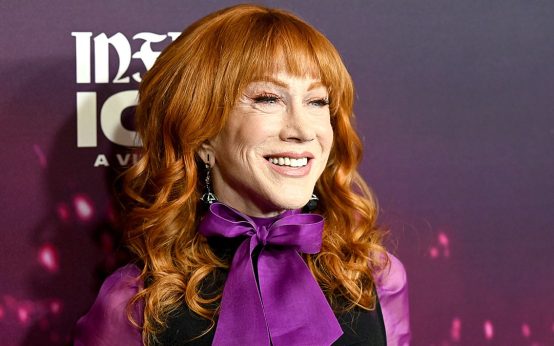 Kathy Griffin Criticizes Ed Sheeran Over Macklemore Tour Controversy
 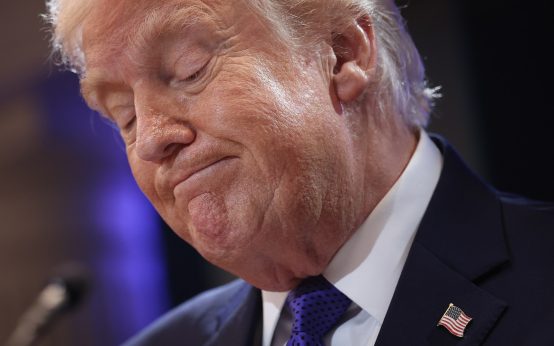 Trump Criticizes Supreme Court in Missouri Redistricting Dispute
 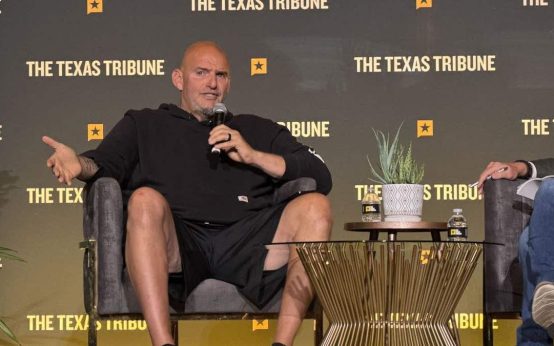 Senator John Fetterman’s Humorous Gaffe at Texas Tribune Festival
  California Enacts New Industrial Regulations Following Fire