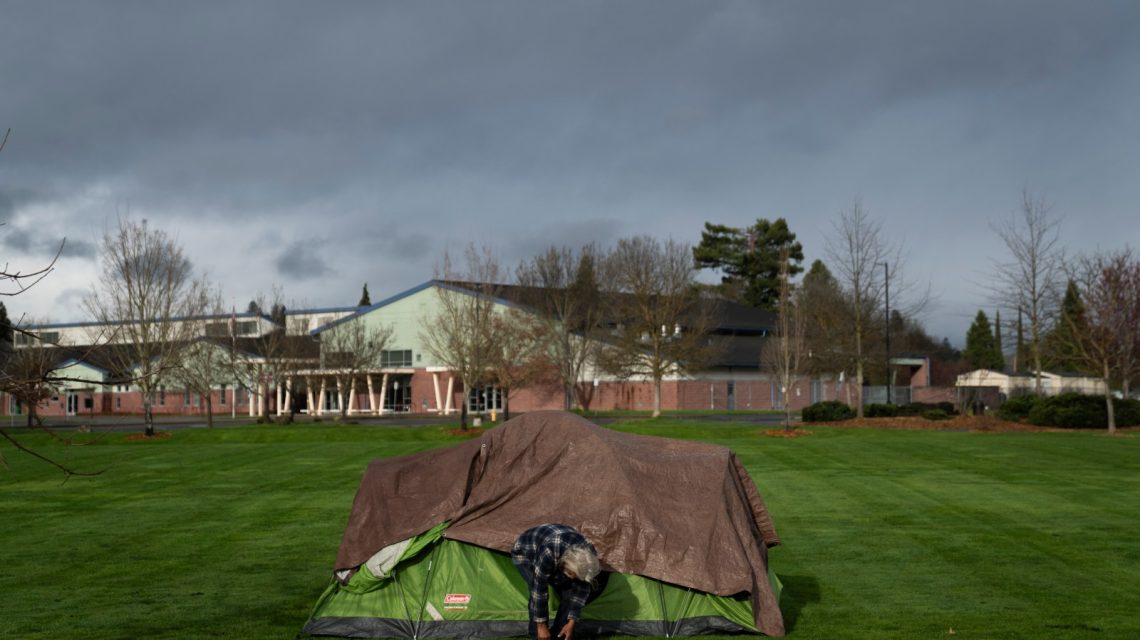
Recent research shows a marked increase in homeless encampment sweeps in Oakland, California, following a significant Supreme Court decision. In 2024, the Court ruled in City of Grants Pass v. Johnson, granting cities greater power to enforce camping bans, even when shelter space is limited.
The study, published in the American Journal of Public Health, reveals that these enforcement actions more than doubled after the Court’s decision. Prior to this, Oakland averaged 14.4 closures monthly, but post-ruling, this rose to 32.2 per month. Researchers noted frequent repeat closures, with one encampment closed 18 times over four years.
Supreme Court Ruling Details
In June 2024, the Supreme Court decided on a case from southern Oregon. Plaintiffs argued against the city’s anti-camping ordinances, claiming they penalized unhoused individuals when shelter options were unavailable. The Court’s 6-3 decision favored the city, ruling that these ordinances do not breach the Eighth Amendment’s prohibition on cruel and unusual punishment. This decision overturned a prior Ninth U.S. Circuit Court of Appeals finding, which deemed the ordinances unconstitutional.
Impact of Ruling on Oakland
Using 785 reports from a City of Oakland database, researchers identified a significant uptick in encampment closures post-ruling. Before the decision, the city averaged 6.6 new and 7.8 repeat closures monthly. This increased to 17.5 new and 14.7 repeat closures monthly after the decision. Closures were notably more frequent in neighborhoods with higher percentages of Hispanic and Black residents.
“Increases in new closure sites and distinct neighborhood characteristics raise two possible interpretations: (1) Grants Pass enabled governments to expand enforcement to new locations, and (2) new, more dispersed encampments formed in response to previous closures.”
Effectiveness of Encampment Sweeps
Jamie Chang, a social welfare associate professor, questions the effectiveness of these sweeps. “The primary question…is, do sweeps actually work?” she states, emphasizing the high costs and potential inefficiencies.
C.J. Gabbe, another study co-author, expresses concerns about the sweeps’ impact. “Our findings show that sweeps are dispersing people rather than addressing homelessness,” Gabbe notes, highlighting the potential for increased vulnerabilities.
Homelessness Nationwide
Homelessness remains an ongoing challenge across the U.S., exacerbated by limited shelter and affordable housing availability. The 2024 Annual Homeless Assessment Report cited California as having the largest homeless population, totaling around 187,000. Nationwide, the report noted over 770,000 people experiencing homelessness on a single night in January 2024, an 18% increase from the previous year.
President Donald Trump pledged to address homelessness with an executive order aimed at clearing encampments on federal lands, focusing on beautifying urban areas like Washington D.C.
 Potential Impact of Tropical Storm Polo on Southern California
 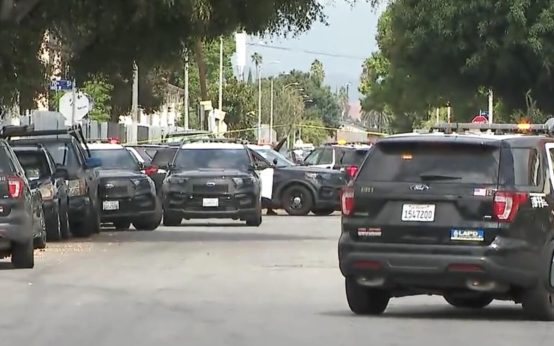 Shooting Incident at South Los Angeles Senior Assisted Living Facility
  Legal Challenges in Pursuing a Wrongful Death Claim Against Utah Valley University
 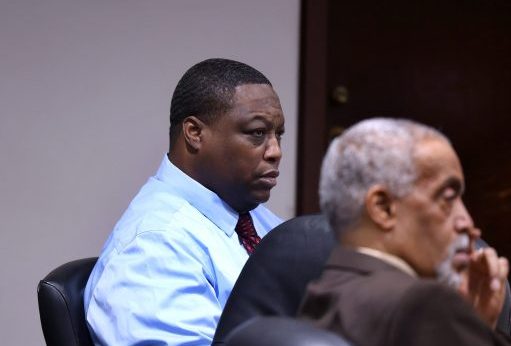 Man Arrested After Fatal Stabbing on Chicago’s South Side
 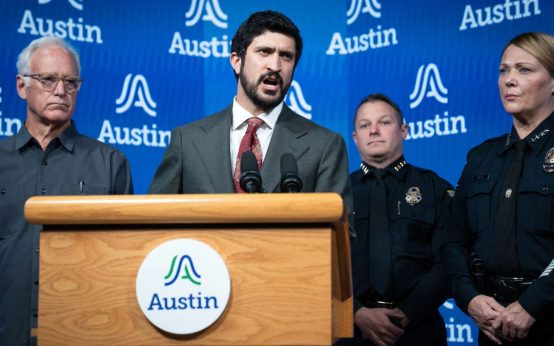 Debate Over ICE Action in Austin Escalates
  Fatal Car Crash in Grand Rapids Involving ICE Agents