
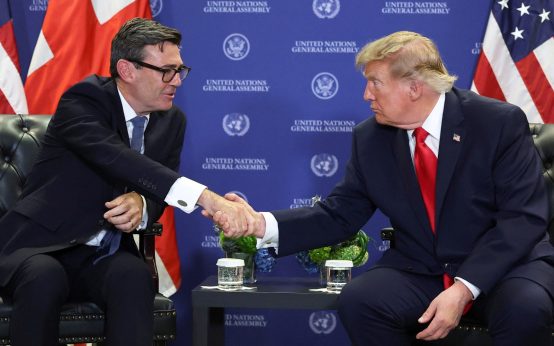
The Trump administration recently announced a temporary agreement with Iran. Although this agreement is not a peace or nuclear deal, it represents a significant step in easing tensions. President Trump acknowledges that the agreement is still under negotiation.
A major concern, such as the nuclear stockpile, enrichment processes, and missile issues, remain unaddressed in this agreement. Nevertheless, this development could extend a cease-fire and allow for the reopening of the Strait of Hormuz, alleviating a significant energy disruption.
Efforts to mediate between Washington and Tehran were led by a hard-line Pakistani general. This de-escalation provides much-needed relief, as there were fears that the situation could spiral out of control. The resolution potentially averts concerns about rising gasoline prices and public dissent against the conflict ahead of the November midterm elections.
Iran stands to benefit as well, with the agreement providing a chance to open up their economy further, which has been struggling with diminishing oil revenues.
President Trump’s proclamation of no deal with Iran except for ‘UNCONDITIONAL SURRENDER’ had sharply contrasted with this agreement. The president has urged his representatives to conduct negotiations in an orderly manner without impatience, signaling a shift in tone.
 Controversy Over Proposed MLB Stadium in Grand Teton National Park
  The GOP’s Shift Toward Big Government
 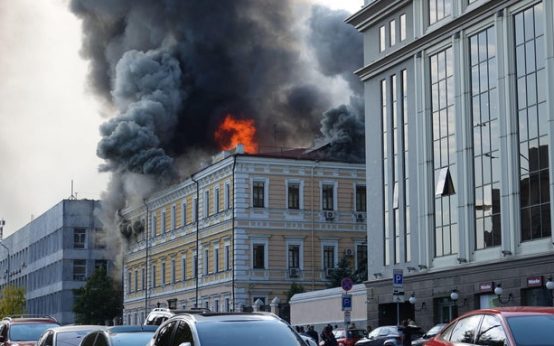 Russia Continues Aggression on Ukraine, Amidst Diplomatic Efforts
  Foiled Attack Near RAF Fairford Raises NATO Tensions
 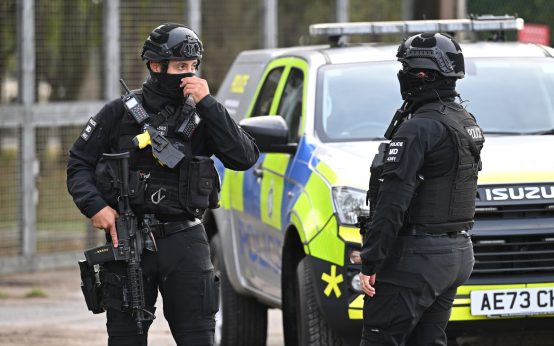 Heightened Risks at U.S. Military Bases in U.K. Amid Iran Conflict
 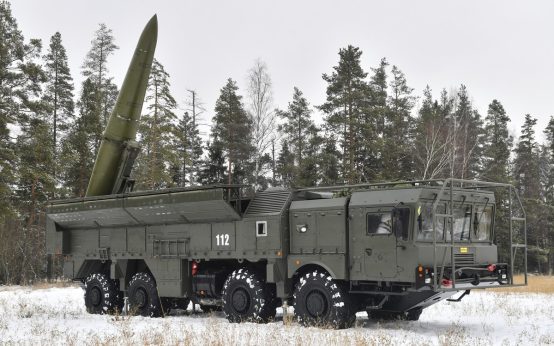 Ukraine’s Strategic Challenges in Air Defense