Volodymyr Zelensky recently claimed that Donald Trump agreed to let Kyiv produce U.S.-designed Patriot air defense systems on Ukrainian territory. The White House has not confirmed this yet. Even if the license is granted soon, Ukraine might face considerable challenges before producing its own Patriots.
Increasing Russian Threats
Vladimir Putin’s defense capabilities are growing, with more ballistic missiles and fast, accurate drones that Ukrainian defenses struggle to intercept. From January to July this year, Russia fired 587 ballistic missiles into Ukraine, surpassing the 511 total fired in 2025. Russian drone attacks are also increasing.
On September 27, seventy-six out of 170 Russian drones over Ukraine were jet-powered. The following day, seventy-nine of 165 drones had jet propulsion. Zelensky disclosed that 55 percent of these drones were intercepted, leaving about seventy UAVs to breach defenses in two nights.
Ukraine’s Immediate Defense Strategy
Given these difficulties, Ukraine’s forces aim to destroy missile and drone launch sites before activation. During a recent UN General Assembly meeting between Trump and Zelensky, air defense topped the agenda.
Ukraine plans to manufacture the Patriot interceptor domestically. Zelensky mentioned that Trump committed to licensing this, yet formalizing the agreement is a major hurdle. Patriots are critical against ballistic missiles but their complexity and cost complicate fast production.
A recent U.S. Army contract for 870 PAC-3 MSE interceptors totaled $4.5 billion. Even a cheaper PAC-3 ACE variant costs over $1 million. Ukraine estimates domestic production would take 12 to 18 months.
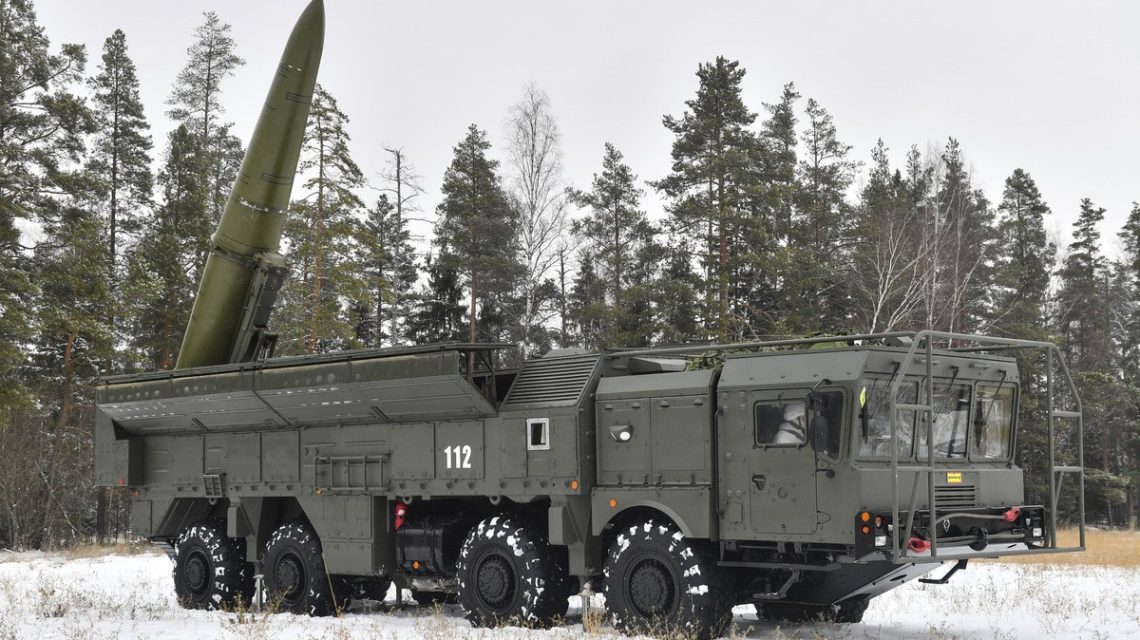
Russia currently produces 55 to 60 Iskander-M ballistic missiles monthly and 50 RM-48Us, repurposed training missiles, which has major implications for Ukraine’s defenses.
The Expanding Drone Threat
Russia’s drone capabilities pose significant challenges. Between June and mid-September, drone deployment increased from 350 to over 2,730 units. Russian drones are not only growing in numbers but also improving in design and effectiveness.
New variants like the Geran-4 and Geran-5 have enhanced speed, payload, and technology, making these drones deadlier and harder to detect. Ukraine needs to improve interception rates beyond the current 50 percent to adequately defend against these threats.
Proactive Strikes
To counter these threats, Ukrainian firms are developing cost-effective interceptors. Zelensky stated that four models recently completed testing and are entering production.
Targeting launch sites is another strategy Ukraine employs. Recent attacks in Russian-occupied territories and on Russian soil destroyed enemy missile facilities. Ukrainian forces have hit S-400 launchers and UAV production sites, taking out launch equipment and storage.
These operations are integral to Ukraine’s systematic approach to curb missile and drone attacks at their origin.
While engineers develop interceptor solutions, the military’s strategy extends protection to the facilities launching Russian attacks, essential for Ukraine’s ongoing air defense efforts.
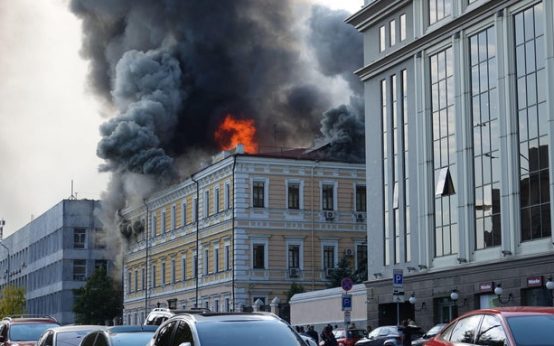 Russia Continues Aggression on Ukraine, Amidst Diplomatic Efforts
 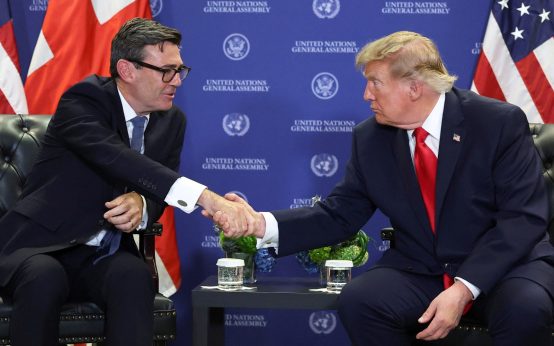 Foiled Attack Near RAF Fairford Raises NATO Tensions
 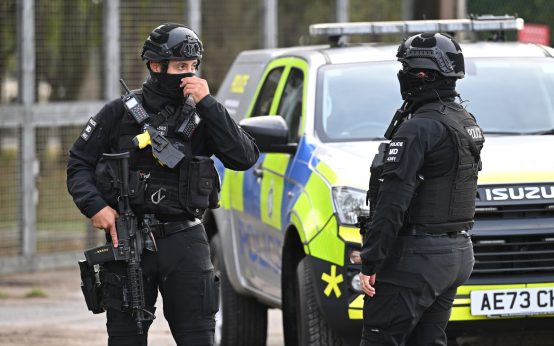 Heightened Risks at U.S. Military Bases in U.K. Amid Iran Conflict
 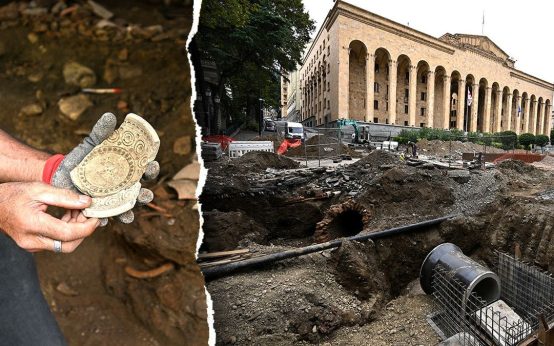 Ancient Pottery Discovered Beneath Tbilisi’s Bustling Boulevard
  Migrants Move North Through Mexico as U.S. Immigration Measures Intensify
  Pope Leo XIV Commends EU for Fostering Unity