The U.S. Treasury Department is investigating Hasan Piker, a Marxist streamer, for potentially violating laws related to doing business with Cuba’s communist regime. This investigation is part of a broader federal probe into a possible Cuban influence campaign on U.S. soil, partly orchestrated by a senior Cuban diplomat.
The Nuestro América Convoy brought Piker to Cuba in March, where he claimed Cuban government officials provided him with internet access. The probe involves the Justice, State, and Treasury departments, and Fox News Digital discovered a location in Wilmington, Calif., where pro-Cuba activists gathered to discuss strategy.
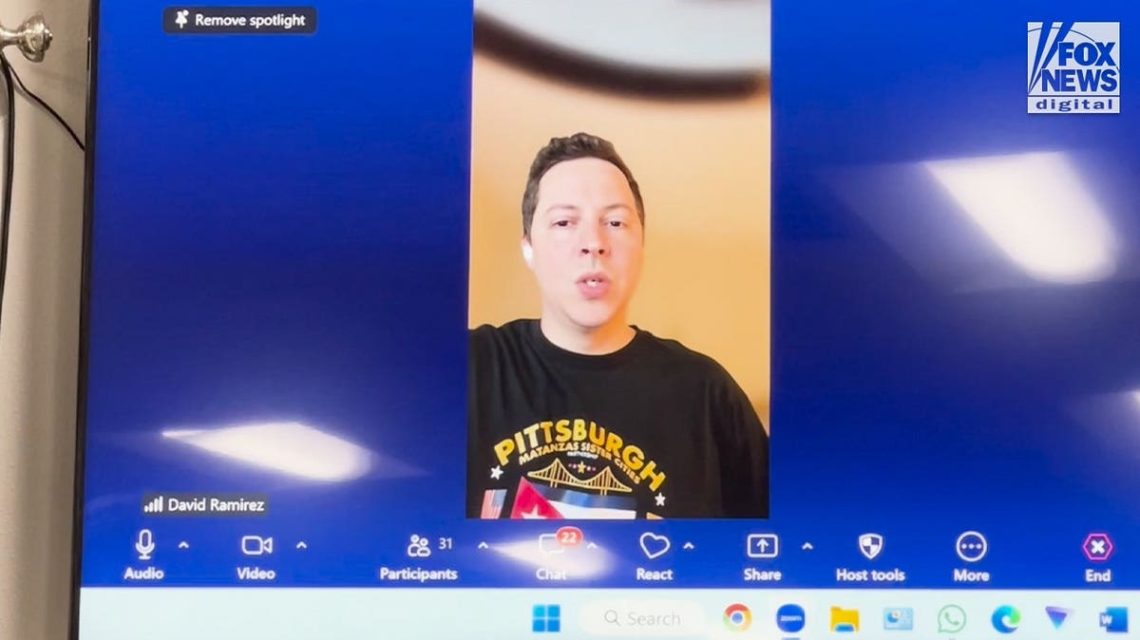
During the meeting, attendees, including members of the U.S. Hands Off Cuba Committee, listened to David Ramírez Álvarez, second secretary at the Cuban Embassy, who is accused of leading a malign influence campaign in the U.S.
“Cuban diplomats strictly comply with the Vienna Convention on Diplomatic Relations,” the Cuban embassy spokesperson stated, denying any wrongdoing. The convention emphasizes non-interference in the internal affairs of the host state.
The investigation focuses on the U.S. Hands Off Cuba Committee, part of a network supporting the Communist Party of Cuba. This network consists of 145 organizations, including labor unions, university groups, anti-war coalitions, and religious organizations, with a combined annual revenue of $1 billion.
Neville Roy Singham, an American expatriate in Shanghai supporting communist causes, funds several key organizations in this network. Officials are scrutinizing how Cuban officials establish connections between U.S.-based activists and the Cuban Institute of Friendship with the Peoples (ICAP).
ICAP, founded by Castro in 1960, facilitates global revolutionary efforts. Fernando González Llort, a former Cuban intelligence officer, currently leads ICAP. The group is accused of functioning as a proxy for Cuban intelligence.
Fox News Digital attended a meeting at Machinists Hall in Wilmington, Calif., where representatives from various nonprofit groups, including CodePink and the Democratic Socialists of America, were present. Attendees advocated changing U.S. foreign policies toward Cuba.
According to a U.S. official, the meeting discussed U.S. legislation. Ramírez Álvarez briefed activists on lobbying strategies and highlighted bills like the “United States-Cuba Trade Act of 2025” and the “New Good Neighbor Act,” aiming to alter U.S. sanctions and policies toward Cuba.
Publicly, these organizations label their work as “solidarity” activism and “humanitarian” aid, but investigators are examining if their activities represent coordinated foreign influence.
The ongoing probe mirrors Trump’s National Security Presidential Memorandum 7, which seeks to eliminate political violence and intimidation. The memo demands a detailed look at domestic and international networks funding such activities.
Ramírez Álvarez and other Cuban Embassy representatives have interacted with various U.S. activist groups, urging them to support lifting embargoes and expanding solidarity with Cuba. A local organizer encouraged broader outreach to gather support for Cuba in schools, churches, and unions.
Federal investigators are examining if these activities require registering with the Justice Department under the Foreign Agents Registration Act. Organizations deny being foreign agents, labeling their work as constitutionally protected activism.
This story provides insight into a network decades in the making, showcasing the relationship between American activists and the Cuban state. The California meeting revealed extensive efforts by activists to promote Cuban interests within the U.S.
 Controversy Surrounds Adam Brody’s Genocide Comment
 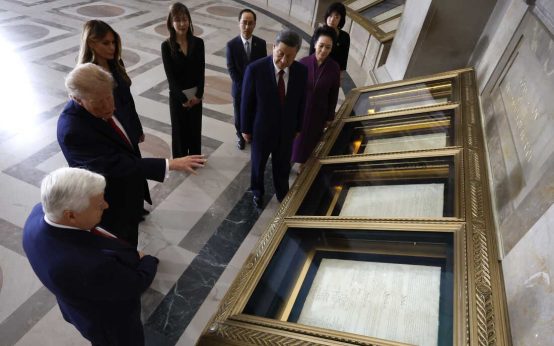 Historical Discrepancies and Diplomatic Sensitivities in U.S.-China Relations
  Escalating Tensions: Russia’s Nuclear Threat and the Kaliningrad Conundrum
 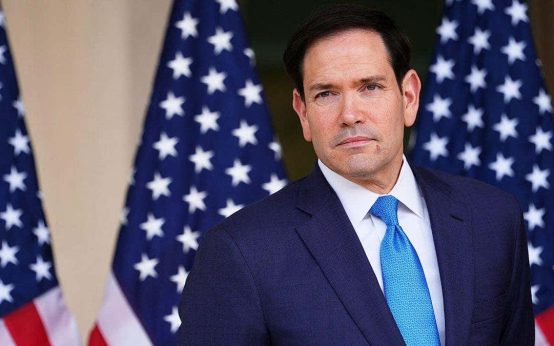 Marco Rubio Discusses Thwarted UK Terror Plot and Global Threats
 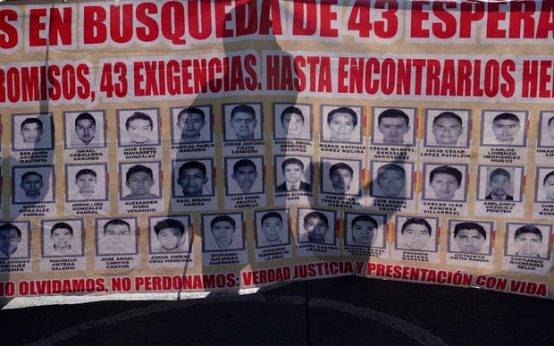 New Leads Emerge in 2014 Ayotzinapa Student Disappearance Case
  Concerns Over U.N. Secretary-General Candidate’s Alignment