The National Suicide and Crisis Lifeline, known as 988, began its operations three years ago. This lifeline has seen millions reaching out for help since its inception. Users can connect through calls, texts, and the 988 chat box, offering multiple ways to seek assistance.
A recent study, conducted by NYU and Johns Hopkins University researchers, predicts that 1.6% of the U.S. population contacted 988 between July 2022 and December 2024. This statistic highlights the growing awareness and usage of this vital service.
When someone reaches out to 988, they are connected to a local network of crisis centers. These centers provide access to trained crisis counselors, offering immediate support and guidance. Unlike the 911 service, which handles emergencies requiring police or medical intervention, 988 is tailored for mental health crises.
Emily Kwong, the host of Short Wave, discusses the functionalities of 988 with Jonathan Purtle, a lead researcher in the study. They explore the benefits it offers beyond the 911 service and address why some regions in the U.S. remain unaware of its existence.
For those in need of further support, the Substance Abuse and Mental Health Services Administration (SAMHSA) offers additional resources. LGBTQ+ youth have access to the Trevor Project, a nonprofit dedicated to preventing suicide among LGBTQ+ young individuals. This organization provides online information, peer support, and crisis intervention services 24/7.
NPR encourages feedback on mental health topics at [email protected]. Your input helps shape the content NPR provides. To hear more from Short Wave, listen sponsor-free by subscribing to Short Wave+ at plus.npr.org/shortwave. Short Wave is also available on platforms like Spotify and Apple Podcasts.
This episode was produced by Rachel Carlson, with editing by Rebecca Ramirez. Fact-checking was done by Tyler Jones, and the audio engineer was Robert Rodriguez.
 Measles Exposure in Philadelphia Raises Health Concerns
  Lawsuits Claim Vision Loss Risk from GLP-1 Medications
 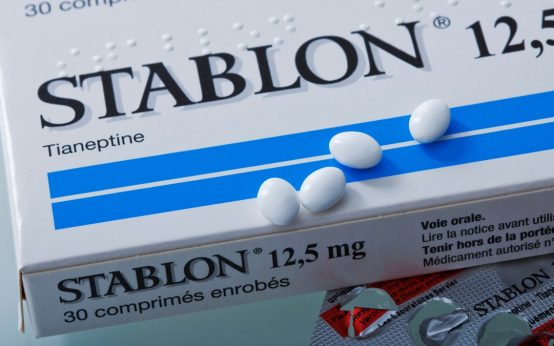 States Tighten Regulations on Tianeptine, Known as ‘Gas Station Heroin’
  Medicare Lab Test Payments: Upcoming Changes and Their Implications
  Gen Z Faces Economic Barriers to Dating and Intimacy
  Understanding and Preventing Suicide: A Public Health Priority