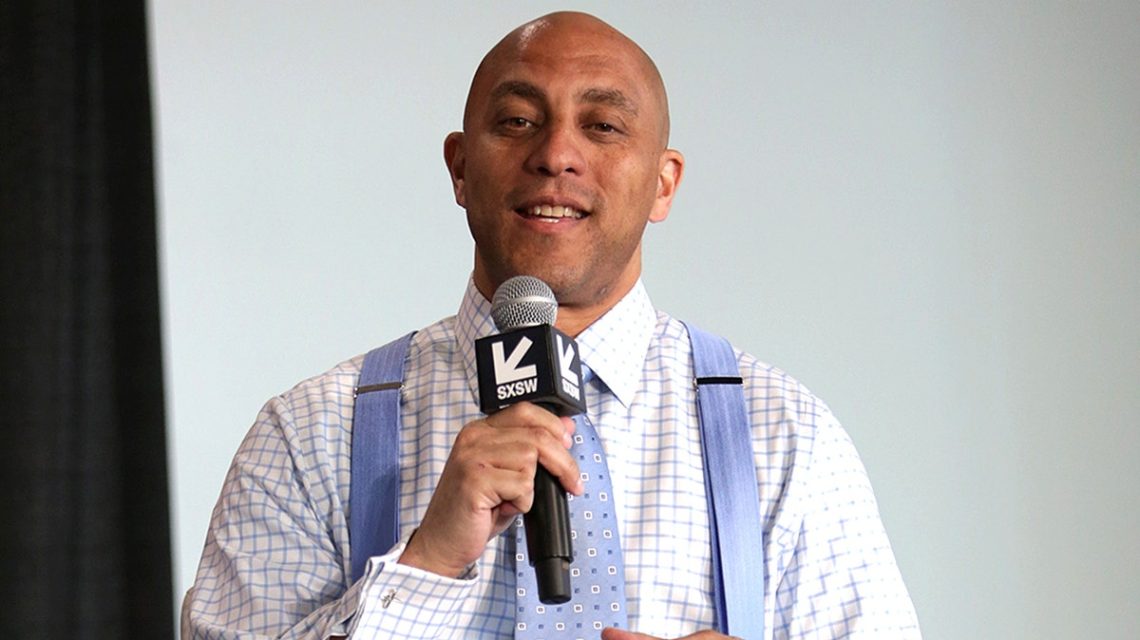
Hasan Kwame Jeffries, a history professor at Ohio State University and brother of House Minority Leader Hakeem Jeffries, has sparked controversy. He urged citizens to combat the system “by any means necessary,” including emulating John Brown, known for using violence in his anti-slavery efforts.
In a social media post highlighted by Libs of TikTok, Jeffries stated, “John Brown understood that the only way to free Americans from the scourge of White supremacy was to get rid of White supremacists by any means necessary. He was right then. He is right now.” This message was interpreted by many as a justification for political violence, contributing to the current climate of unrest marked by high-profile attacks.
Other academics have also used Brown as a model in addressing social issues such as racism and oligarchy. Stacey Patton, a journalism professor at Howard University, criticized White liberals in a blog post for seeking guidance on being better allies, viewing their questions as burdensome for the oppressed.
Brown is remembered for the “Bleeding Kansas” period and the Pottawatomie massacre in 1856, where he and his followers executed several pro-slavery settlers. His violent actions, aimed at emancipating slaves, sparked intense debate and are seen by some as a catalyst for the Civil War.
Frederick Douglass had complex views on Brown. While he saw him as a pivotal figure for freedom, Douglass criticized acts of violence like the raid on Harpers Ferry, advocating for political solutions instead. Abraham Lincoln viewed Brown as a misguided zealot, equating his actions to failed attempts at uprisings throughout history.
Today, some suggest Brown’s legacy warrants replication. Patton praised Brown’s willingness to use violence for his cause, asking allies to consider what sacrifices they are willing to make for social progress.
Jeffries continues to promote this narrative, underscoring Brown’s belief that substantial change requires confronting systemic injustice with force.
Hakeem Jeffries, known for his own provocative rhetoric, remains silent on his brother’s endorsement of this controversial legacy.
The promotion of Brown as a model conveys a message that some may interpret as endorsing violence. The rhetoric of anger has increasingly influenced politics, leading to support for extreme candidates.
In Texas, a Democratic candidate advocated for severe actions against certain billionaires, while in Maine, a Senate candidate associated with Antifa embraced violent ideologies similar to Brown’s.
These examples signal a growing trend where radical agendas gain traction, echoing historical movements that led to chaos, such as the French Revolution.
As history shows, such paths often consume their proponents. A cautionary reflection from the French Revolution highlights this, where Jacques Mallet du Pan wrote, “Like Saturn, the Revolution devours its children.”
Jonathan Turley explores these themes in his book “Rage and the Republic,” examining the rise of radical voices in the context of America’s anniversary.
Turley, a contributor to Fox News Media and a professor at George Washington University, has penned numerous scholarly articles and participated in high-profile legal cases and congressional testimonies.
 Byron Donalds Adjusts Campaign Strategy as Florida Governor Race Intensifies
  Trump’s Engagements at the UN: Focus on Ukraine and White House Developments
  Collins Faces Scrutiny in Tight Maine Senate Race Amid Donor Allegations
  Trump’s Vision for Global Security: Iran, AI, and the Role of the U.S.
  Nevada Attorney General Faces Questions Over Clemency Bid
  Trump Administration’s Crackdown on ACA Coverage