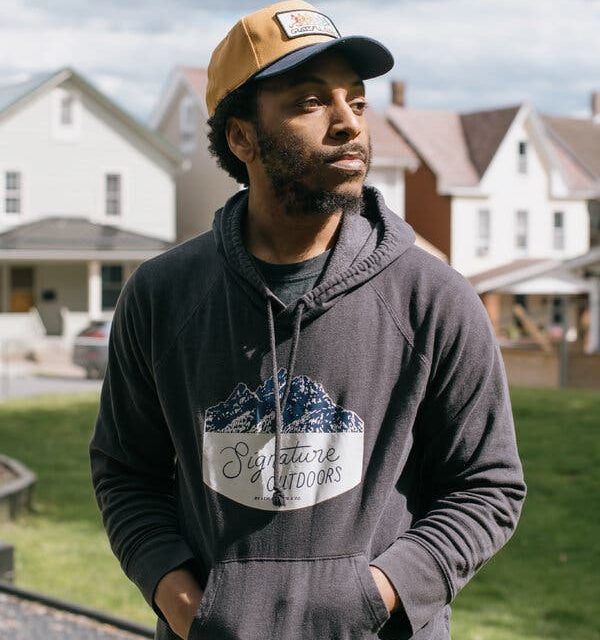
Kenni Miller’s experience as a shift manager in a Sheetz convenience store in Altoona, Pennsylvania, reflects larger challenges in civil rights enforcement. As a Black man, Miller initially felt trusted and appreciated in his workplace. However, his employment was terminated in the summer of 2020 after a background check revealed a nonviolent felony drug conviction from his teenage years. This conviction had not previously prevented him from securing a job.
Miller was confident in his abilities, having successfully managed a cash register and interacted well with customers. Despite his competence, the termination was a heavy blow. In 2024, Miller became a part of a class-action lawsuit filed by the Equal Employment Opportunity Commission (EEOC) against Sheetz. The lawsuit claimed the company’s criminal background checks disproportionately excluded applicants of color.
After President Trump assumed office, the EEOC abruptly withdrew the case. The change was attributed to Trump’s executive order directing federal agencies to deprioritize cases involving unintentional discrimination, termed as ‘disparate impact,’ rather than explicit discrimination.
Trump’s approach has led to a reduction of civil rights cases across various federal departments, such as education, housing, trade, and justice, in addition to the EEOC. The exact number of closed cases remains undisclosed, yet legal advocates warn of a substantial gap in civil rights enforcement.
 A Mother’s Tragic Journey Under Abortion Ban
  U.S. Strategic Goals Remain Unmet Amid Prolonged Conflict
  The Impact of Arts and Closure on Democracy
 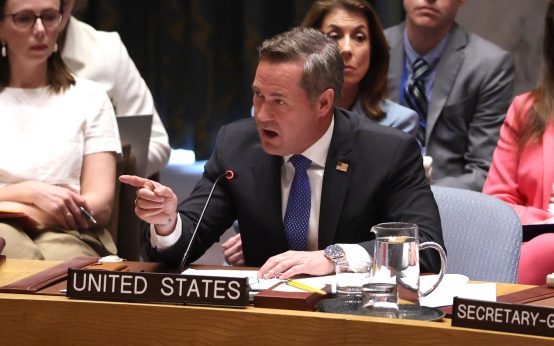 U.S. Ambassador Comments on Iran War Duration Amid Political Concerns
 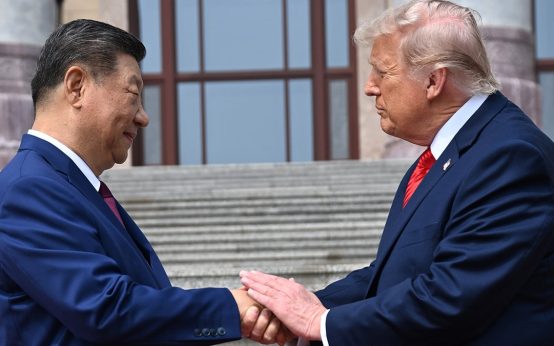 US-China Relations Under Scrutiny: Expert Warns of Escalating Tensions
  No Timeline for End of Iran Conflict