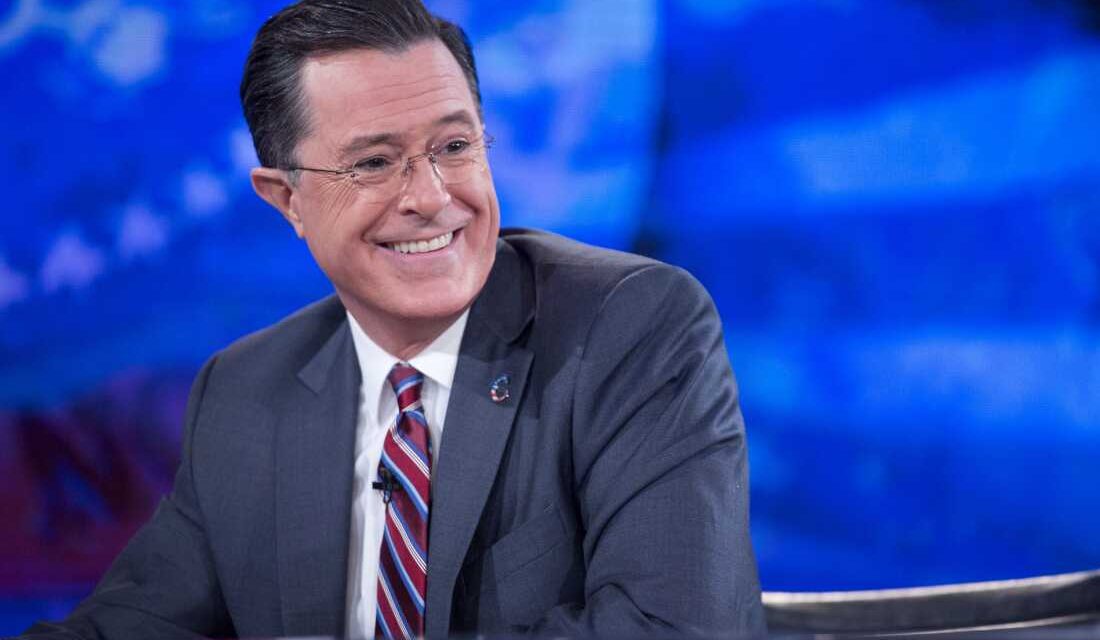
Stephen Colbert has hosted over 3,000 television episodes across two networks in 20 years. His enduring legacy as a performer can be summed up with one word: Truthiness. This idea, introduced during the first episode of The Colbert Report, epitomizes the act of trusting feelings over facts. Colbert’s parody of TV pundits, especially Fox News Channel’s Bill O’Reilly, championed this concept. He famously stated, “I don’t trust books. They’re all facts and no heart.”
As The Late Show concludes its 11-year run—unexpectedly canceled by CBS despite high ratings, possibly to silence a critic of President Trump—it might be Colbert’s dedication to truth that led to this outcome. Roy Wood Jr., formerly of The Daily Show and now hosting CNN’s satire program, notes, “Stephen Colbert has shown the power of sticking to the truth.” He adds that Colbert faced the most sensitive administration comedians have encountered. Hasan Minhaj, another alum of The Daily Show, appreciates how Colbert adapted his satire, evolving his relationship with the audience from The Colbert Report to The Late Show. Minhaj commends Colbert’s ability to meet every moment effectively.
A Background in Comedy
Colbert was raised in South Carolina and learned satire at Second City in Chicago, where he worked as an understudy for Steve Carell. This experience led to working with Carell on Dana Carvey’s sketch comedy show in 1996. Colbert truly honed his persona as a “high status idiot” on The Daily Show, critiquing cable news pundits, particularly those on Fox News. Minhaj highlights the impact of Colbert’s field pieces on later contributors and their political satire efforts.
Alongside Jon Stewart, Colbert shaped news-driven satire on The Daily Show before launching The Colbert Report in 2005. This spin-off allowed him to embody his character, enhancing its influence through appearances like the White House Correspondents Dinner and panels before Congress. Bill Carter, who reported on TV for The New York Times, considers The Colbert Report a pinnacle of Colbert’s impact.
Colbert’s Transition to Network TV
Colbert transitioned to hosting CBS’s The Late Show in 2015, succeeding David Letterman. This shift required him to be authentic on TV. Minhaj notes Colbert’s mastery of both satire and sincerity, though Colbert initially avoided overt politics on The Late Show. However, with Chris Licht as showrunner, the show gained momentum during live convention coverage in 2016.
Colbert’s approach mirrored a broader media shift towards authenticity, showcasing personal aspects like his Catholic faith and love for The Lord of the Rings. Some critics attribute a decline in late-night ratings to this political stance. Carter disagrees, arguing late-night hosts face challenges bridging political divides due to audience segmentation by online algorithms.
Colbert’s Future
With the final episode of The Late Show imminent, Colbert’s future projects draw curiosity. He has announced a collaboration with his son on a new Lord of the Rings movie, yet his next venture remains undetermined. Both Minhaj and Carter suggest he pursue a Broadway one-man show, potentially revisiting his The Colbert Report persona.
Minhaj envisions a production blending storytelling, song, and comedy—a dynamic act demonstrating Colbert’s talents.
Despite CBS’s choice to lease Colbert’s slot to Byron Allen for Comics Unleashed, Carter expects Colbert’s departure to potentially benefit Jimmy Kimmel’s show. As Colbert approaches turning 62, his future in satire may continue to evolve amid a landscape marked by absurdity and fervent media discourse.
 Sean Combs Hospitalized for Head Injury at Federal Prison
  Amazing Red’s Triumph at Bound for Glory
 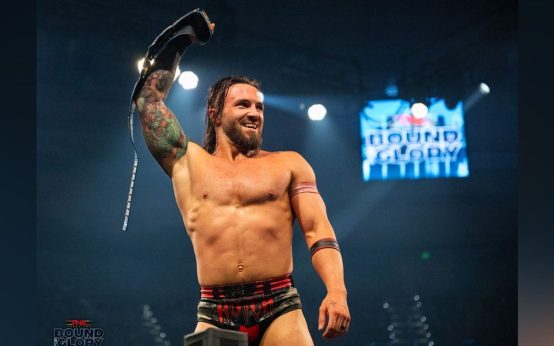 Order 4 Battles for TNA International Championship at Bound for Glory
  Jacob Tierney Discusses Season 2 of HBO Max’s ‘Heated Rivalry’
  Anticipation Grows for Third ‘Sicario’ Film
  The Social Reckoning: A Disappointing Sequel