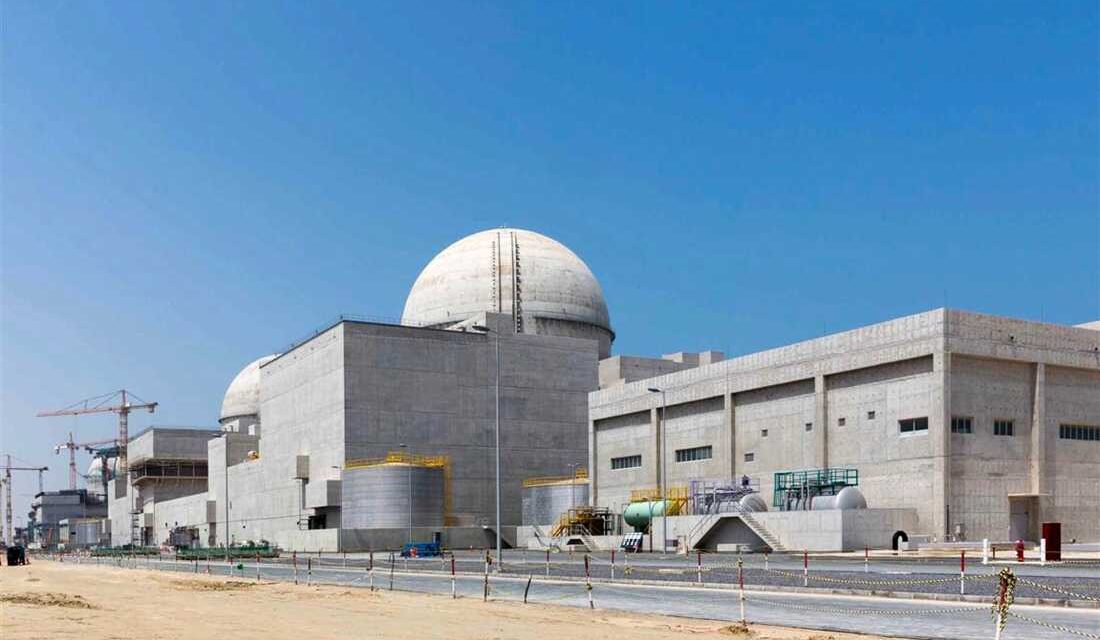
The United Arab Emirates’ Barakah nuclear power plant in Abu Dhabi became a focal point of tension following a drone strike that caused a fire nearby. This incident, labeled an ‘unprovoked terrorist attack’ by authorities, highlighted the possibility of renewed conflict between the United States and Iran. Despite the scare, officials reported no injuries or radiological release.
The UAE has previously accused Iran of launching drone and missile assaults, a matter worsening tensions around the Strait of Hormuz. This waterway, critical for energy transport, is under a U.S. naval blockade. Responding to these tensions, U.S. President Donald Trump warned Iran on social media to act swiftly amidst ongoing diplomatic efforts.
Iran’s military advisor, Mohsen Rezaei, stated that their armed forces remain prepared, emphasizing a tricky balance between military readiness and diplomacy. Meanwhile, skirmishes persist between Israel and Hezbollah in Lebanon, underscoring the fragility of ceasefires in the region.
Drone Attack Investigations Underway
The UAE Defense Ministry reported that three drones approached its western border with Saudi Arabia. While two drones were intercepted, one managed to cause a fire. Investigations are ongoing to determine the origin of the attack. The situation suggests a dangerous escalation, pointed out Anwar Gargash, a diplomatic adviser to the UAE president.
Saudi Arabia has also intercepted drones from Iraq, adding to the regional tension. The Barakah facility, constructed with South Korea’s assistance, constitutes a significant power source for the UAE and is the only nuclear plant in the Arab world. Fortunately, safety protocols ensured that its operations remained unaffected by the fire.
The International Atomic Energy Agency reported that the attack targeted an electrical generator, activating emergency diesel generators for one reactor.
Nuclear Programs and Regional Tensions
The UAE’s strict agreement with the U.S. regarding nuclear plant operations contrasts with the controversial programs in Iran and Israel. The UAE committed to forgoing domestic enrichment, sourcing uranium externally to mitigate proliferation risks. In contrast, Iran’s enrichment activities and its history of obstructing U.N. inspections have fueled concerns about potential military applications.
Israel, though well-equipped, remains vaguely positioned regarding its nuclear capabilities. During previous conflicts, there have been claims of attacks near nuclear facilities, like Tehran’s narratives concerning its Bushehr plant.
Worsening Regional Fragility
As Israel and the U.S. consider resuming hostilities, the situation remains precarious. Israeli Prime Minister Benjamin Netanyahu has affirmed readiness for various scenarios involving Iran. Iranian media channels have heightened rhetoric, with state television presenters openly expressing willingness to act patriotically.
 Lionel Messi’s Father Jorge Messi Passes Away
  Ukrainians Honor Oleksiy Yukov for Recovery Efforts
 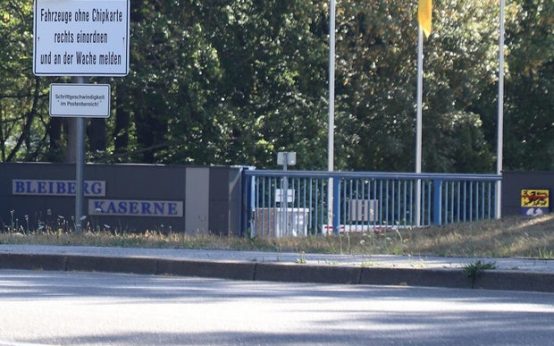 Drones Spotted Over German Military Base Amid Rising Tensions
  Haitian Nationals Face Deportation Risks as TPS Ends
 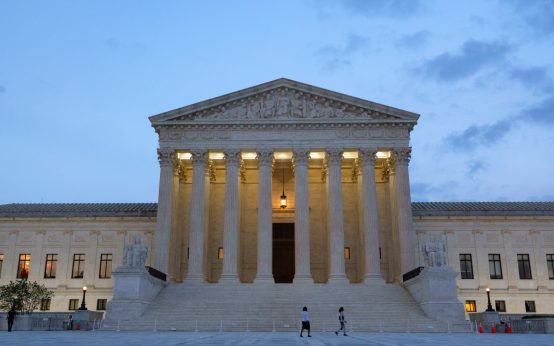 Conservative Activists Aim to Shape Judicial Perspectives on Birthright Citizenship
  Impact of Deregulation on Air Travel