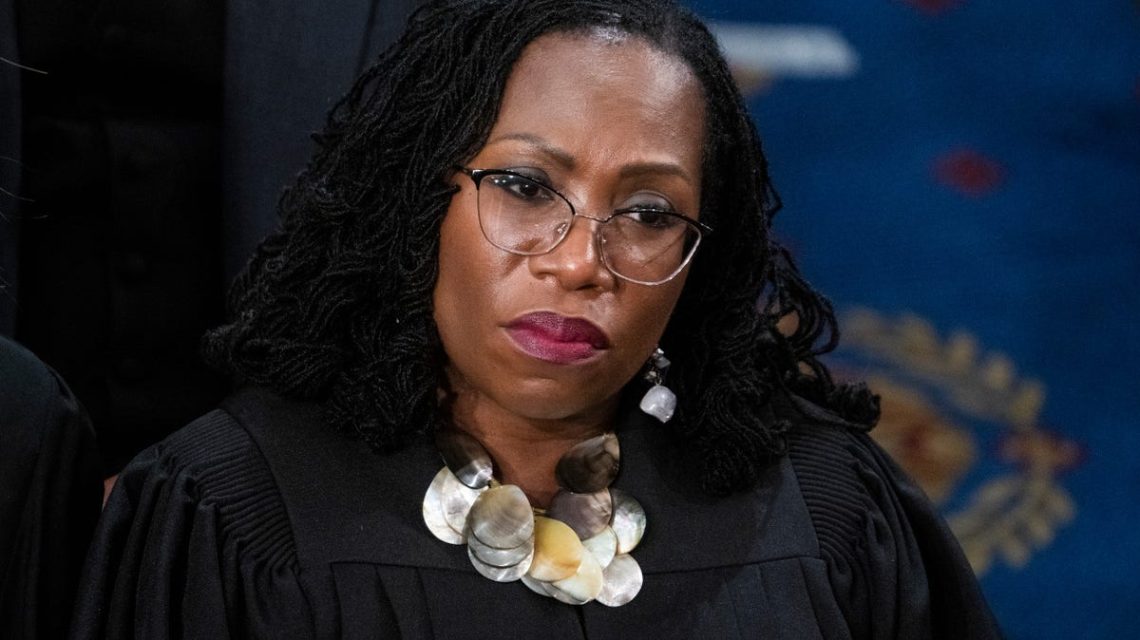
Justice Ketanji Brown Jackson has expressed opposition to the Supreme Court’s recent actions regarding voting rights. The Court used its decision in the Louisiana gerrymandering case to guide lower courts in interpreting the Voting Rights Act, potentially undermining past successes of voting rights advocates.
On Monday, the Supreme Court instructed a U.S. District Court in Mississippi to review a case again, referencing the judgment from Louisiana v. Callais. This case repudiated race-based gerrymandering. Jackson, dissenting, pointed out that Louisiana v. Callais did not address the private enforceability of Section 2 of the Voting Rights Act, questioning the decision to overturn the lower court’s judgment.
Last month, the Supreme Court narrowed the interpretation of Section 2 of the Voting Rights Act. This section regulates district drawing impacting minority voters. The Court’s decision in Louisiana v. Callais revolved around whether Louisiana’s new congressional map, which introduced a second majority-Black district, constituted unconstitutional gerrymandering.
Justice Ketanji Brown Jackson, pictured in a lecture series, has been vocal about the implications of these rulings. The Supreme Court acknowledged that states might regard the Voting Rights Act compliance as a significant interest in redistricting. However, they ruled that Louisiana was not obligated to create a second majority-Black district, supporting a previous lower court’s decision that had blocked the map’s use.
The Court’s ruling may lead to additional legal disputes over congressional mappings and could complicate matters for plaintiffs contesting these maps. Plaintiffs must now demonstrate a racial discrimination motive behind the drawing of boundaries.
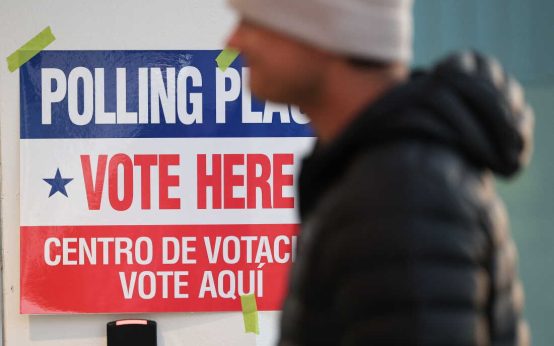 Voter Concerns and Challenges in Upcoming Elections
 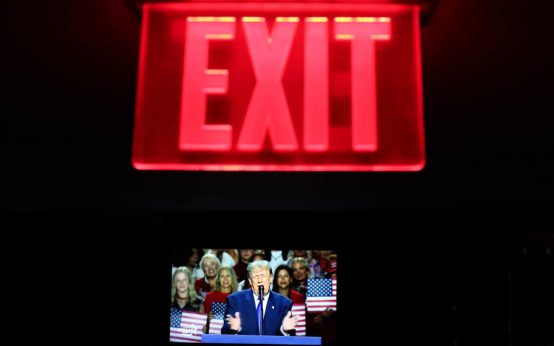 Growing Dissent in Trump’s Republican Party
 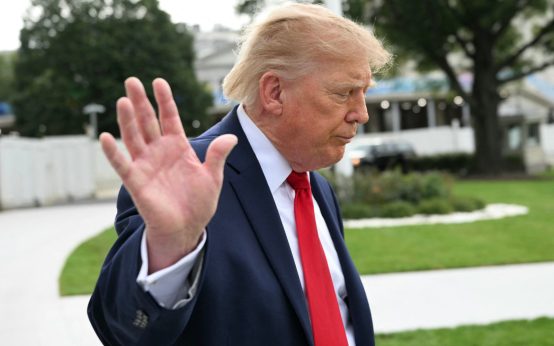 Trump’s Approval Rating Decline in Beef-Producing States
  Improving the Transparency of Public Records
  Death of Jim Copenhaver Brings Attention to Butler Rally Security Issues
  Republican Senator Proposes Major Overhaul of U.S. Immigration System