Tidal has announced a significant policy change regarding AI-generated music. Starting December 9, the platform will no longer accept or host any music tracks entirely generated by artificial intelligence. This change aims to maintain Tidal as a premier venue for artists to share their work and for listeners to enjoy it.
In an essay on X, previously known as Twitter, Tidal clarified its stance. The company will also prohibit distributors from uploading AI-generated tracks. Songs that only use AI tools for assistance will still be welcomed.
Tidal stated, “Our AI policy was designed to provide a great experience for listeners while protecting the authenticity and livelihoods of artists and rightsholders. Tidal will always fight for artists to get paid more. This update is centered on that goal. If you make music, you should be able to put it on Tidal without it being overshadowed by unrequested or copied tracks.”
Ownership of Tidal
Tidal is owned by Block, Inc., which was previously known as Square. This financial technology company was co-founded by Jack Dorsey and Jim McKelvey. Originally launched by the Scandinavian company WiMP in 2010, Tidal expanded to the U.S., U.K., and Canada through Aspiro in 2014. Rapper Jay-Z’s company, Project Panther Bidco Ltd, purchased Aspiro in 2015, making Tidal the first artist-owned music streaming service. Artists like Beyoncé, Rihanna, Nicki Minaj, Jack White, and Alicia Keys held stock in the company. In 2021, Dorsey became the majority owner through a nearly $300 million transaction. Jay-Z remains active on Tidal’s board.
Tidal’s AI Policy Changes
Tidal had previously allowed AI-generated music, provided it was clearly labeled and did not exploit an artist’s likeness. AI tracks were also exempt from receiving streaming royalties. Recently, Tidal reported that 43% of tracks on its platform in the last 90 days were entirely AI-generated. On November 6, over 60% of new tracks were AI-produced. Tidal noted the growing problem of AI-generated music deceiving listeners and impersonating artists, leading to revenue and fan confusion. The platform has removed over 65,000 tracks flagged for impersonation issues. Tidal Music Lead Robert Andersen iterated that merely tagging and demonetizing AI music was not enough and affirmed that AI-generated music would be removed by the new year, which will see the deletion of 29 million songs.
Andersen shared that 96% of AI-generated songs receive no plays, emphasizing that the ban aligns with both artist and listener interests. Tidal is the first major digital service provider to implement such a ban, prior to competitors like Spotify and Apple Music. Andersen urged others to consider similar measures.
AI Policies of Other Music Streamers
Spotify’s policy involves labeling AI music, managing spam, and requiring artist permission for AI clones. As of October, Spotify removed over 50 million spam and 75 million AI tracks. The company acknowledged the rapid advancements in AI technology, which can help or hinder the music industry. Spotify now adds an AI Persona badge for transparency, noting user feedback against deceptive artist profiles.
Apple Music introduced tags this year to indicate AI usage in generating music, lyrics, or artwork. YouTube mandates AI disclosure for all content uploads. Amazon Music is focused on preventing AI deception and spam, without a broader AI music policy. SoundCloud emphasized an artist-centered AI policy to combat spam and manipulation.
Smaller platforms like Qobuz and Deezer label AI music and exclude it from recommendations. Bandcamp enforced a total ban on AI songs earlier this year, prioritizing human creativity.
Newsweek compiled this story using their AI assistant, Martyn.
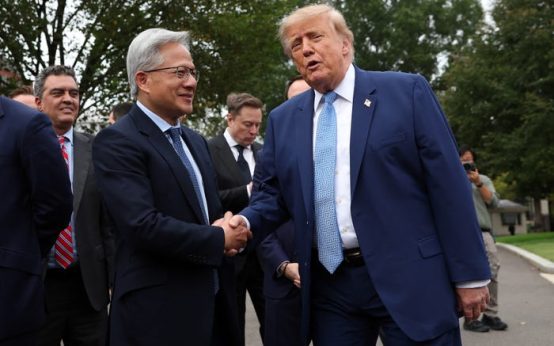 President Trump Engages with Nvidia, Considers Government Equity Stake
 Nvidia CEO Jensen Huang Retains Security Clearance Amid Allegations
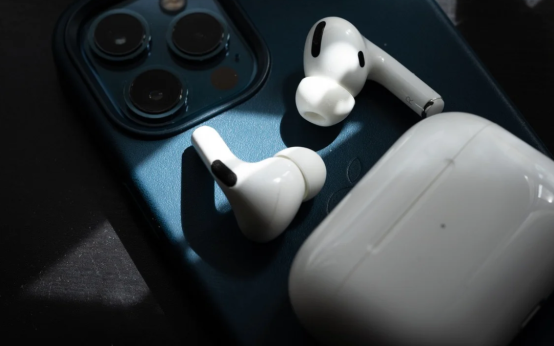 Apple AirPods Pro 3: Enhanced Features and Black Friday Deals
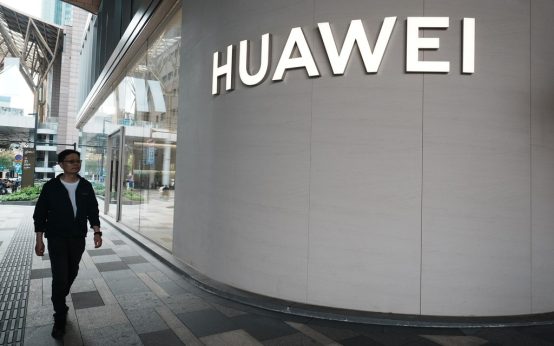 Huawei Convicted: Jurors Find Company Guilty of Trade Secret Theft
 CIA’s Unclassified System Breached in Cyberattack
 Sunny Hostin Criticizes Trump Over Nvidia CEO Reinstatement