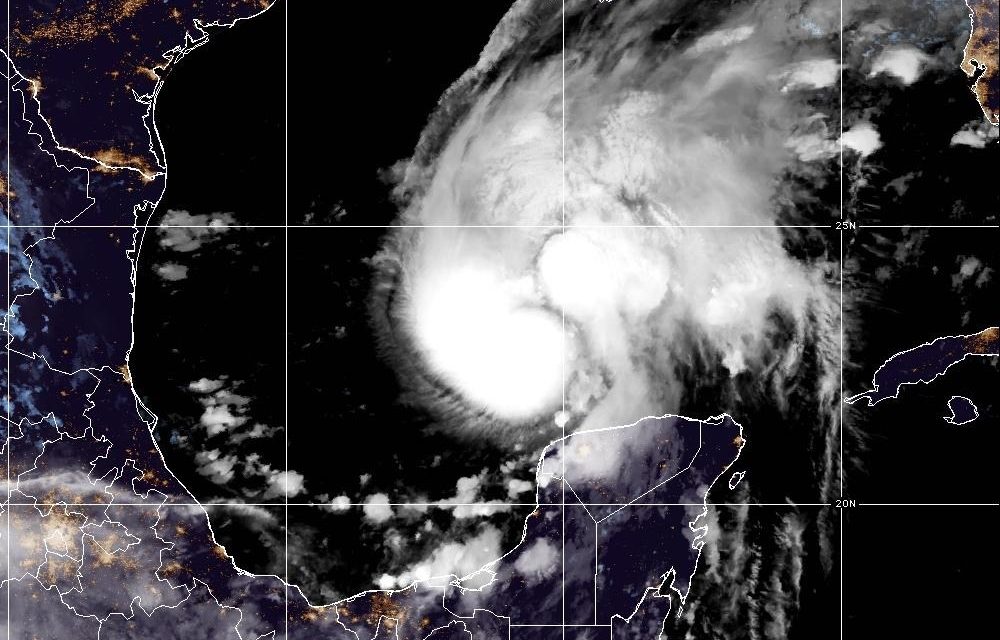
The National Oceanic and Atmospheric Administration (NOAA) announced an early end to the 2026 hurricane season, a week before its official closure on November 30. This decision was attributed to one of the strongest El Niño events on record, which contributed to a notably quiet time in the Atlantic.
An update on NOAA’s social media platform stated, “The 2026 hurricane season comes to an end. The Atlantic saw 10 named storms: one, named Isaias, became a major hurricane. In the Eastern Pacific, the season broke records due to El Niño, ending with 20 named storms and 10 hurricanes, eight of which were major.”
Neil Jacobs, NOAA administrator, emphasized the importance of forecasting skills in a recent press release. He stressed how early predictions of this year’s robust El Niño provided essential insights that helped forecast the hurricane season accurately.
NOAA’s unparalleled forecasting skill and scientific expertise provided the early warnings needed to protect lives and property this hurricane season.
El Niño’s Powerful Influence
NOAA’s report highlighted the disparity between the Atlantic and Pacific Oceans during this hurricane season. The Atlantic recorded 10 named storms, fewer than the long-term average of 14. Typically, seven of these would become hurricanes, including three major. However, this year saw only one major hurricane, Isaias.
Isaias developed on October 7 and reached Category 2, hitting the Florida Panhandle and causing local storm surge, flooding, and wind damage. It was the latest first hurricane since satellite monitoring began in 1966. In contrast, the Pacific experienced heightened activity, with 20 named storms, surpassing the typical 15, and 10 hurricanes, eight categorized as major.
Polo emerged as the most intense hurricane in the Pacific, with pressure readings second only to 2015’s Hurricane Patricia.
Overall, this area witnessed its most active season on record based on Accumulated Cyclone Energy.
Impacts and Reactions
The early closure stirred reactions from meteorologists, who humorously noted NOAA’s decision. Florida Meteorologist Matt Devitt remarked on social media, suggesting NOAA’s social media director might be on an early vacation. WFLA Chief Meteorologist Jeff Berardelli joked about the season ending with a “mercy rule.”
Brooks Garner from FOX 35 Orlando expressed his wish for El Niño to conclude early. NOAA Satellites on social media reviewed the 2026 season and underscored El Niño’s significant role in the subdued Atlantic activity and heightened Pacific storms.
As Thanksgiving travel approaches, El Niño’s influence continues, with King Tides posing flooding risks on the West Coast. Berardelli highlighted frequent storms affecting Florida, driven by a strong subtropical jet linked to El Niño.
This is the strongest El Niño in 150 years. Florida, keep your umbrellas and patience handy. Some will bring rain, others could cause severe weather.
Recent flooding in Florida has led Governor Ron DeSantis to declare a state of emergency across more than 20 counties.
El Niño, while forming in the Pacific, impacts global weather, including Atlantic hurricanes. It increases wind shear, which can disrupt the formation and strengthening of tropical systems.
 Rare Yellow Burbot with Xanthochromism Caught in New York
 China Launches Shenzhou 24 with First Pakistani Astronaut
 Health Risks of Planned Lead Detonation in Iowa
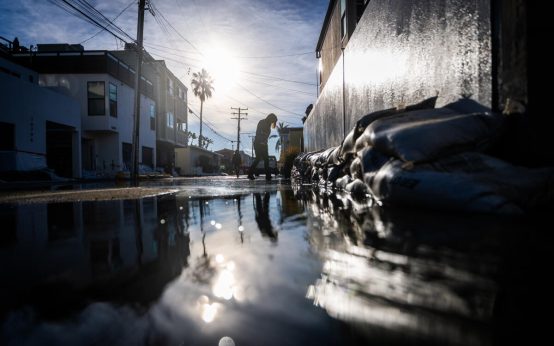 California Coastal Communities Brace for King Tides and Potential Flooding
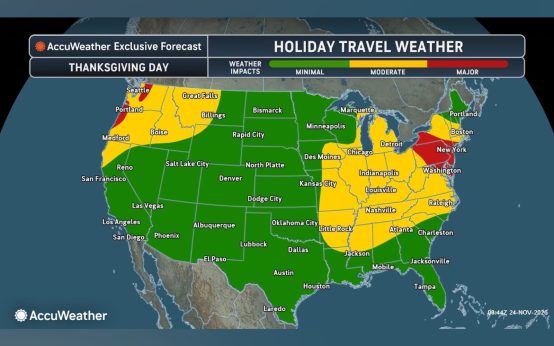 Eastern Thanksgiving Storm and Pacific Tides Threaten U.S. Coasts
 California’s Home Insurance Challenges and Wildfire Risks