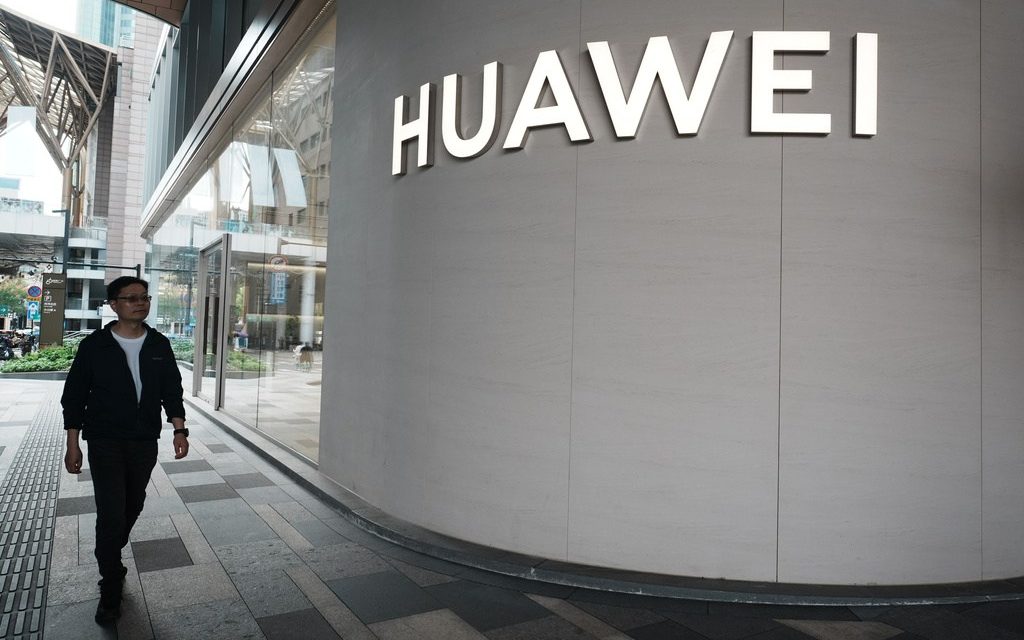
A U.S. jury has found Huawei, the Chinese technology giant, guilty of conspiring to steal trade secrets and deceive banks regarding its business operations in Iran. This verdict marks a significant win for federal prosecutors in a criminal case that has spanned several years.
The federal jury in Brooklyn concluded that Huawei Technologies, along with three affiliates, were guilty on 10 out of the 12 criminal charges after a trial that extended over two months. These charges included bank fraud, wire fraud, violations of sanctions, and conspiracy to steal trade secrets. However, the jury acquitted Huawei of racketeering conspiracy, which denied the broader accusation that the company operated as a criminal enterprise. They were also acquitted of obstruction of justice.
This verdict arrives as Washington continues its efforts to restrict Huawei. Despite U.S. trade measures, Huawei has expanded its reach into chipmaking and AI development, offering alternatives to products from companies like Nvidia.
Details of Huawei’s Convictions
The prosecution’s case focused on Huawei’s alleged systematic theft of technology from competitors while misleading banks and U.S. officials about its business dealings in countries under American sanctions. The prosecutors cited technology thefts including the sale of routers with source code copied from Cisco Systems and the removal and measurement of a T-Mobile testing robot component from a laboratory. Other companies affected included Motorola Solutions, Quintel USA, and Fujitsu.
“The tone was set at the top by Huawei leaders and executives who themselves engaged in criminal conduct like lying to Congress, lying to banks, violating U.S. sanctions, and trying to interfere with the very criminal investigation that led to this case,” prosecutor Meredith Arfa told jurors during closing arguments.
Huawei, challenging the prosecution’s characterization, announced plans to appeal. Attorney Brian Heberlig argued the acquittal on racketeering undermines the government’s overall case.
This case gained international notoriety in 2018 when Meng Wanzhou, Huawei’s CFO and the founder’s daughter, was detained in Canada on a U.S. warrant. Accused of misleading HSBC about Iran dealings, she returned to China in 2021 after a deferred prosecution agreement, and the charges were eventually dropped.
Huawei’s Role in the Global Chip Race
Placed on a U.S. trade blacklist in 2019, Huawei faced restrictions on accessing American technology due to national security concerns. Despite this, the company remains a global contender. It continues to sell smartphones and telecom equipment worldwide and has ventured into semiconductors and AI infrastructure, challenging giants like Nvidia.
The backdrop of competition amid issues at Nvidia adds another layer to Huawei’s recent developments. Nvidia’s CEO, Jensen Huang, recently resigned amid personal controversies, only for the board to reinstate him, clarifying national security concerns. His brief departure and return caused dramatic shifts in Nvidia’s market value.
Implications of the Verdict
Huawei’s involvement in the AI race comes at a time when the U.S. restricts exports of AI processors to China. Huawei has gained significance in China’s pursuit to lessen dependency on U.S. suppliers, aligning these business developments with its legal challenges in the U.S. The verdict might lead to billions in penalties for Huawei, though its effect on the company’s global telecom operations remains to be seen.
This story was produced by Newsweek staff with assistance from Martyn, our AI assistant. For inquiries, contact Newsweek editors.
 Florida Official Addresses Shooting Incident Involving Son
 CIA’s Unclassified System Breached in Cyberattack
 Hostage Situation in Cartagena Supermarket
 Sunny Hostin Criticizes Trump Over Nvidia CEO Reinstatement
 America’s Cybersecurity Challenges and the Role of AI
 Jensen Huang Returns as Nvidia CEO Amid Employee Support