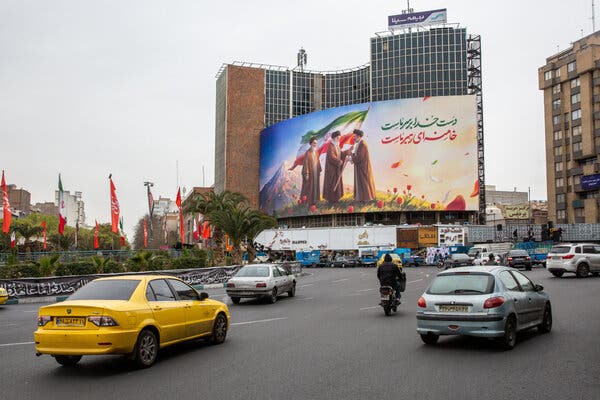
A small group of men associated with the Islamic Revolutionary Guards Corps guides decision making in Iran. This group influences critical decisions, not just by a single leader, but through collaboration.
The death of Ayatollah Ali Khamenei on February 28, following an airstrike by Israel, marked a significant change in Iran’s leadership. Ayatollah Ali Khamenei led Iran as its supreme leader for 37 years before his demise. His son, Mojtaba Khamenei, succeeded him. Even so, Ayatollah Ali Khamenei wielded immense influence that his son cannot easily replicate.
Senior officials claim that Mojtaba oversees all key affairs. Yet, experts note that a small elite group, primarily composed of former senior commanders of the Islamic Revolutionary Guards Corps, shares this responsibility. This ‘band of brothers’ emerged from the harsh Iran-Iraq war that began in 1980 and served as a formative experience.
The Islamic Revolutionary Guards Corps was established in 1979 to protect the new revolution and its leader. Commanders who rose to general ranks during their late 20s or early 30s developed a strong belief in Iran’s independence, a belief cemented by western support for Iraq during the war.
Many of these commanders took control of intelligence and security roles post-war. Most are said to have a personal connection with Mojtaba from his years running his father’s office. These individuals are considered some of the most hard-line figures within Iran, supporting the continuation of the Islamic revolution through harsh governmental controls.
 Google Fined for Breaching EU Privacy Rules
  South China Sea Tensions Rise after Collision between Chinese and Philippine Ships
  North Korea’s Hypersonic Weapon Test Amid Global Tensions
 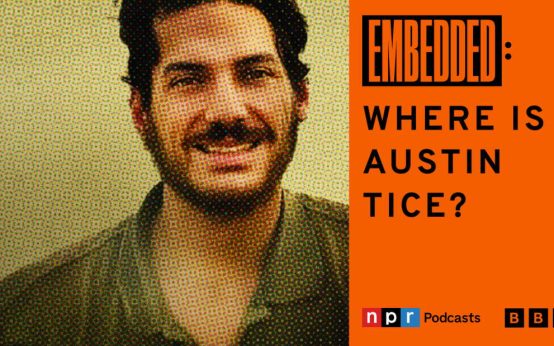 Austin Tice: A Search for Answers
 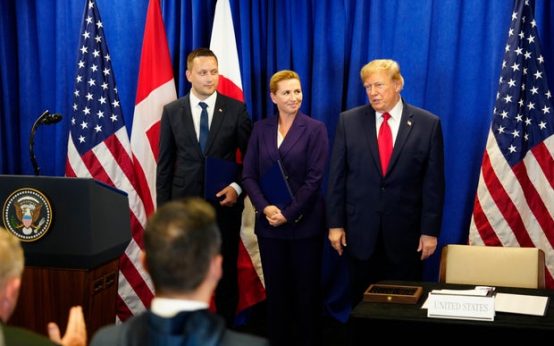 U.S., Denmark, and Greenland Forge New Security Agreement
 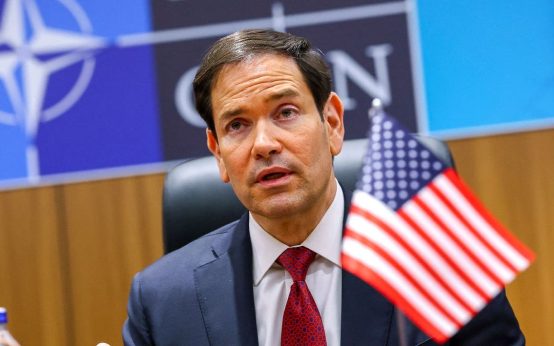 Secretary Rubio Discusses Middle East Conflict and NATO Relations