On October 28, 2015, I abruptly left my high school teaching job due to flu-like symptoms. Prior to this day, I had been dealing with what I thought were seasonal allergies, typical headaches, and exhaustion. But this particular day, my head felt as if it were on fire, and moving or opening my eyes became nearly impossible. I experienced dizziness and weakness. At the school nurse’s office, they found I had a fever, prompting me to go home. Aided by some teacher friends, I left, not returning for 15 months.
That day my ex-husband had the kids, so I immediately went to bed upon reaching home. I floated in and out of consciousness, my fever escalating along with my lethargy. I spent an entire day in bed before realizing that someone needed to pick up my children from school. I called my mom, asking her to help with the pickup. She expressed concern and urged me to see a doctor.
Hours later, I awoke to the sound of loud voices, as if my deceased aunt and grandmother were in the room. Black bats appeared to fly across the room, leaving me to wonder if I was dying or losing my mind. I faced wave after wave of terrifying dizziness, never losing consciousness but feeling utterly weak. Knowing I needed help, I called my boyfriend, calmly explaining that I required urgent care. He took me to the nearest hospital, where I experienced vomiting and fell into a chair, waiting to be seen.
In the hospital, a doctor questioned whether I might be pregnant or exposed to Lyme disease. After a CT scan and waiting several hours, he informed me of a mass in my brain, necessitating further investigation. My sister, a nurse, secured my transfer to the Hospital of the University of Pennsylvania’s ICU, where doctors suspected a brain infection and treated me with antivirals. They acted just in time as my brain rapidly inflamed, edging me toward a coma.
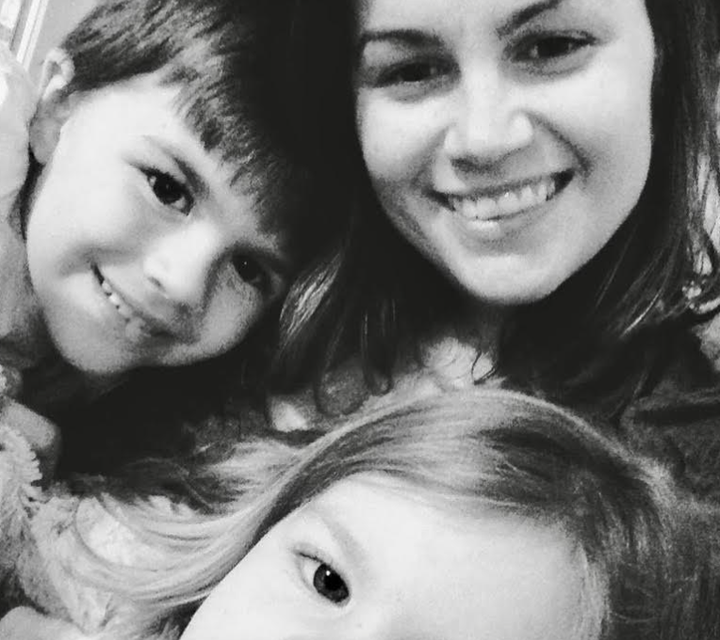
“I was very sick and scared, but relieved to be back together,” the author writes.
After several lumbar punctures and additional imaging, I was diagnosed with herpes simplex virus encephalitis. HSV-1, known for causing cold sores, affects billions, but only a few have the virus reach their brain. A small fraction, about 1 in 250,000 to 500,000 annually, experience this. The virus can result in enduring symptoms, neurological damage, or fatal outcomes. Reflecting on this, I could recall only two cold sore occurrences, one during my grandfather’s funeral and another in college.
Despite the rarity of my case, doctors assured me I did nothing wrong. They emphasized the random nature of the virus reaching my brain. Most often, infants and the elderly face this situation. This uncertainty drove me frantic for answers, though my research offered little closure.
During my hospitalization, memories float back of the ICU neurologist and visitors at my bedside, an experience mostly blurred. During recovery, my priority included emailing my school about my students. Once discharged, my main treatments were acyclovir and other supportive medications. Receiving timely care was crucial, as delays could have led to blindness or a coma.
Leaving the hospital didn’t end my journey. The acyclovir treatment continued at home with a nurse’s assistance. My recovery involved combating sensitivity to light and difficulty processing information. My room filled with medical equipment, depicting how fragile I had become from the independent, educated mother and teacher I was.
Each encephalitis experience is unique, as is each brain. Common symptoms include fatigue, memory issues, emotional disturbances, and progress fluctuations. Progress was slow, reliant on my own investigation as professional guidance was scant.
Exhaustion persisted, complicating full-time teaching and parenting. I implemented organizational strategies, appreciating my students’ neurological challenges. Lists, alarms, routines, and self-acceptance became essential tools.
Having dealt with life-changing divorces, encephalitis taught me that personal change is inevitable. Collective memories of the time I spent with my children became more precious. Snuggling, sharing small joys, and staying present became my emotional anchors.
Most with herpes simplex 1 encephalitis only endure one lifetime episode, resulting in brain scars akin to trauma from accidents. To prevent seizures, I remain on medication. My self-identity evolved; I no longer fully remember past facets, but the essence of who I was persists. At 40, the experiences enriched my resilience and appreciation for life’s fragility.
Moments with my children, like simple play or care routines, hold profound value due to my continued presence with them. The world around became more noticed and cherished. In moments of struggle, finding solace and expressing gratitude became key to managing my condition.
Brigid Ward is a high school English educator, essayist, and devoted participant in human storytelling. She is involved in educational bodies and the Society of Children’s Book Writers and Illustrators. She resides near Philadelphia, where she delights in family life, blending inspiration and activity. She is reachable at [email protected].
 Amy Klobuchar Takes On Governorship with Promises for Minnesota’s Growth
 Understanding ‘I’ Statements in Communication
 The Implications of Democratic Infighting
 Tragic Incident at Cincinnati Zoo Sparks Controversy
 Katt Williams Shares Key to Success: Embracing Rejection
 A Day in the Life: Insights and Commentary from Joe Kinsey