Residents of Altadena, northeast of Los Angeles, are facing severe challenges following the Eaton Fire. The fire has left properties and residents dealing with toxic compounds like arsenic, lead, and asbestos. This urban firestorm consumed thousands of homes and vehicles, releasing heavy metals into the smoke.
The Aftermath of the Fire
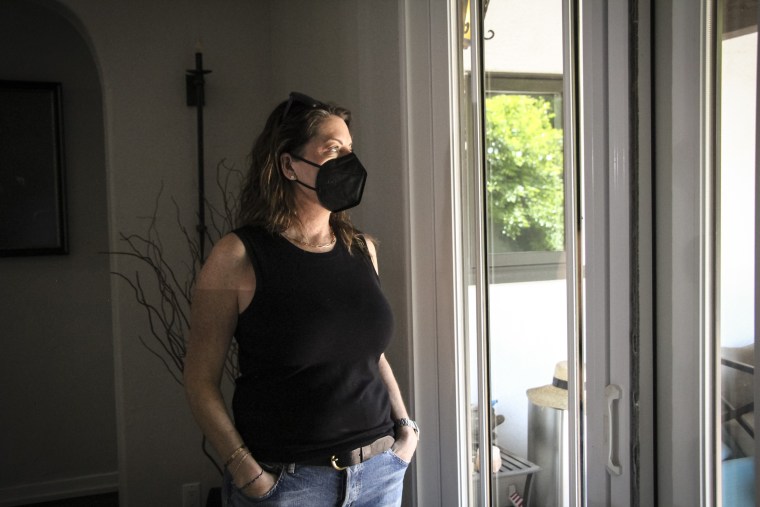
Even after the cleanup, high levels of lead were found in many areas. Jennifer Rochlin, a local artist and mother, discovered lead contamination in her home using a $75 Amazon lead test. Her insurance only covered lead testing after she showed evidence of contamination.
Due to these conditions, many residents remain displaced. A report indicates that two-thirds of those affected by the fire have not returned, largely because of uncertainties about safety and rebuilding.
Community Responses
In response to the crisis, a mix of academics, independent scientists, and advocacy groups are conducting research into the contamination. These efforts highlight the inadequacies of the current response systems, including insurance and remediation companies as well as government agencies.
This was an urban conflagration, and the contamination we were dealing with was unlike anything you would have normally seen,” said Dawn Fanning, managing director of Eaton Fire Residents United, a nonprofit recovery group.
Regulatory and Remediation Challenges
California lacks specific safety standards for many hazardous substances found in homes. This complicates decisions for homeowners and insurance firms regarding when it’s safe to return. Inconsistent testing methods further exacerbate the issue.
The U.S. Army Corps of Engineers and FEMA did not mandate soil testing on sites where homes burned, leaving residents uncertain about long-term contamination risks. Whistleblowers involved in the cleanup expressed concerns about the rushed and incomplete work.
One cleanup worker indicated that debris removal was inconsistent and left contaminants behind.
Statements and Concerns
An Army Corps spokesperson noted that their role covered structural ash and debris removal, along with the top six inches of soil in these areas. However, soil testing wasn’t part of their mission.
Factors Contributing to Contamination
The Eaton Fire destroyed 9,400 structures in Altadena in January 2025. The materials contributing to contamination included lithium from electric vehicle batteries and arsenic from old materials. Strong winds, reaching 90 mph, exacerbated the spread of the fire.
Alireza Namayandeh, a researcher from Stanford University, found that many smoke particles were nanoparticles, which are small enough to penetrate the lungs, bloodstream, and brain.
 Bear’s Halloween Candy Feast at Alaska Hospital
  Phase 3 Trial Reveals Promising Weight-Loss Results for Retatrutide
  Medicare Insurer Sues Government Over Star Ratings
  GOP Lawmakers Question FDA Over Abortion Pill Safety Review
  Big Bear’s Celebrity Eagle Jackie Dies from Bird Flu
  Trump Introduces Montana Weapons-Testing Range, Defends Policies at Rally