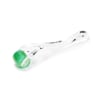
Lip balm, hair care, and now, dermarolling—a topic that has garnered attention for its potential benefits for the skin and scalp. Dermarolling, also known as microneedling, involves using a device equipped with small needles to puncture the skin lightly. This technique aims to enhance collagen production and improve the absorption of skincare products. While popular for facial treatments, some believe it can also stimulate hair growth when used on the scalp.
What is Dermarolling?
According to Dr. Kristina Collins, a board-certified dermatologist, dermarolling utilizes a tool with tiny needles to create micro-injuries on the skin’s surface. These micro-injuries trigger the body’s natural healing response, promoting collagen production and enhancing skin appearance. The procedure is minimally invasive and performed over a series of treatments. The roller’s needle length may vary, catering to specific skin conditions.
Does Dermarolling Support Hair Growth?
Dermarolling can aid hair growth, said experts. It boosts blood flow to the scalp, nurturing hair follicles and facilitating the delivery of essential nutrients to the roots. This process strengthens both existing hair and new growth. Additionally, dermarolling before applying hair serums or oils can enhance their effectiveness.
How to Dermaroll for Hair Growth
If you plan to try dermarolling at home, dermatologists recommend using it twice a week to prevent irritation. Follow these steps:
- Choose the right needle length: Opt for a needle length of 0.25mm to 1.5mm. Shorter needles work for general scalp health, while longer needles target hair growth.
- Clean your scalp: Wash your hair and scalp to remove dirt and bacteria. Ensure the dermaroller is also clean.
- Roll gently: Glide the dermaroller across your scalp in all directions, applying mild pressure.
- Apply a serum: Use a nourishing serum or hair growth treatment after rolling.
Risks of Dermarolling
While generally safe for those with a healthy scalp, dermarolling may not suit everyone. Dr. Alexandra Bowles highlights that individuals with scalp conditions like psoriasis or eczema should avoid this practice. Risks include:
- Infection: Unsanitized rollers or broken skin increase infection risk.
- Irritation: Overuse or excessive pressure leads to irritation and redness.
- Hair breakage: Incorrect usage may damage existing hair.
Alternatives for Promoting Hair Growth
If dermarolling is not for you, consider these alternatives:
- Minoxidil: A widely used topical treatment for hair thinning.
- Healthy diet: A nutrient-rich diet supports hair health.
- Low-level laser therapy (LLLT): Devices that emit low-level light to stimulate follicles.
- Scalp massage: Regular massage increases blood flow to hair follicles.
Expert Insights
Our dermatologists, Dr. Kristina Collins and Dr. Alexandra Bowles, bring expertise in dermatology. Their knowledge assists in providing insights into dermarolling and hair growth.
 Measles Exposure in Philadelphia Raises Health Concerns
  Affordable Halloween Decorations for a Spooky Yard
  Lawsuits Claim Vision Loss Risk from GLP-1 Medications
  States Tighten Regulations on Tianeptine, Known as ‘Gas Station Heroin’
  Bedsure Heated Blanket: A Cozy Essential for Fall and Winter
  Steve Lotysz: From Gates to Galleries