A coalition of Iranian opposition groups has intensified armed attacks against the government in the southeastern provinces of Sistan and Baluchistan and Kerman. Known as the People’s Fighters Front (JMM), the coalition has claimed responsibility for six attacks that have destabilized the region.
These actions raise questions about the spread of armed resistance against the regime in Tehran and its ability to maintain control over Sistan and Baluchistan, a predominantly Sunni area. Iran’s population is mostly Shiite, and the Sunni minority has long faced discrimination. Sistan and Baluchistan is the second-largest of Iran’s 31 provinces.
Mardo Soghom, an expert on Iranian affairs, stated, “The Sunni unrest can stretch the regime’s military and internal security capabilities. Although the armed groups cannot seize control, they significantly weaken the regime’s grip.” He added that the potential involvement of external adversaries remains uncertain.
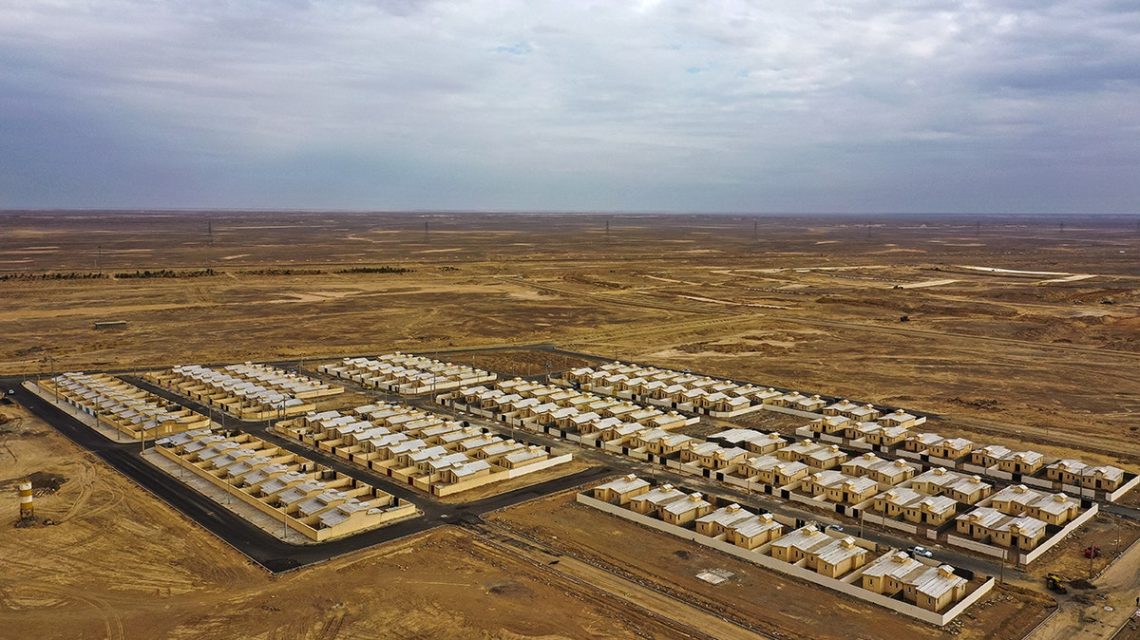
Sistan and Baluchistan, Iran. (Mohammad /Middle East Images/AFP via Getty Images)
According to a report by the Human Rights Activist News Agency (HRANA) in October, violence in the provinces has increased sharply. In recent weeks, there were 18 incidents recorded in just 18 days, surpassing previous monthly figures.
The JMM coalition formed in December 2025, including Baloch nationalist organizations and the militant Sunni group Jaish al-Adl. From March 31 to October 10, 2026, HRANA recorded 63 armed incidents in Sistan and Baluchistan and Kerman, resulting in at least 94 deaths and 33 injuries. Official sources reported 87 deaths and 10 injuries.
A recent attack shocked the regime when women members of the Basij, including a commander and a police officer, were assassinated. Days earlier, Nosrat Eftekhari, a provincial law enforcement deputy, was killed by a roadside bomb.
Jason Brodsky, policy director at United Against Nuclear Iran (UANI), commented on the recurring unrest in Sistan and Baluchistan. He highlighted that Mohammad Karami, the current IRGC Ground Forces commander and former governor of the province, holds his position due to his experience in handling security issues.
Brodsky emphasized that while an imminent threat is unlikely, preserving Iran’s territorial integrity remains a priority for Iranians, including the opposition.
Iranian military parade. (Sobhan Farajvan/Pacific Press/LightRocket via Getty Images)
Khalilullah Balochi, a Baloch activist and journalist, remarked on the increased intensity of the group’s activities. Navid Mohebbi, a former Persian media analyst, noted the coalition’s recent successes in targeting mid-level officials, drawing attention amidst ongoing executions of protesters.
Mohebbi warned of public distrust towards these groups, driven by fears of separatism and radical Islamism. However, he sees promise in the JMM’s statements, which emphasize dismantling the regime without promoting separatism.
Beni Sabti, an Iran expert, noted the coalition’s armed rebellion is limited to Baluchistan. He compared the regime’s weakened control over these provinces to governments in parts of South America losing sovereignty to militias.
Reporting from the region is scarce, making accurate news hard to come by. The IRGC maintains a headquarters in the area to combat these groups. Despite the local impact, Sabti remarked that targeting commanders won’t significantly affect the military’s broader structure.
 Kim Jong Un Appears Amid Health Rumors
 U.S. Lawmaker Warns of Lessons from French Riots
 Details Emerge About Man Arrested in Connection with Attack on MP Helen Haines
 France Enforces Curfews as Protests Escalate
 Zelensky Requests Restoration of Satellite Network Access
 Ukrainian Refugees in the U.S. Face Uncertain Future with TPS Deadline Approaching