Trump’s Call for Daylight Saving Time Reform
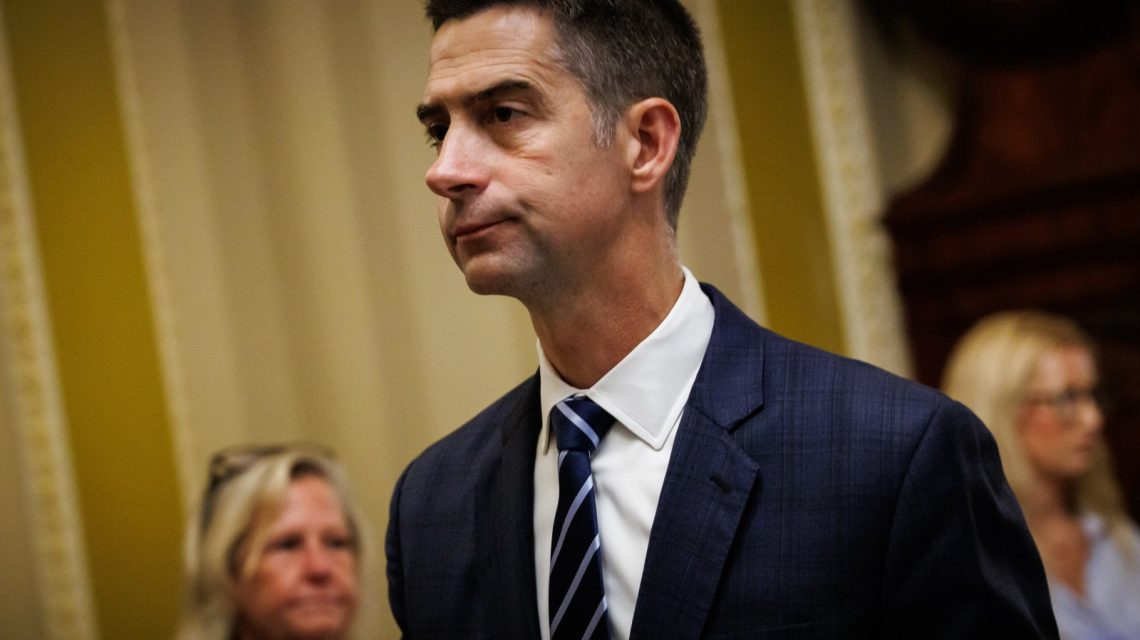
President Donald Trump urged the public to pressure lawmakers for permanent daylight saving time (DST) by sharing Senator Tom Cotton’s cellphone number on Truth Social. Cotton has been criticized by Trump for obstructing the Sunshine Protection Act, a bipartisan bill aiming to eliminate clock changes and keep the nation on DST year-round.
In Trump’s post, he referred to Cotton as “a friend” and urged supporters to call the senator, highlighting his pivotal role in stopping the bill. Attempts to contact Cotton’s cellphone led to a full voicemail. Despite Newsweek’s request for comment, Cotton declined to engage, following earlier refusals on Trump’s criticisms.
America is set to revert to standard time on November 1. The Senate, currently in recess, faces procedural and political hurdles in advancing the bill, which previously passed the House with strong bipartisan support.
Debate Over Daylight Saving Time
Trump argues that abolishing clock changes would enhance public health, reduce crime and traffic accidents, and improve economic activity. The president believes that more afternoon sunshine is preferable, benefiting various activities such as golf and farming.
Sleep experts oppose permanent DST, advocating for permanent standard time instead. The American Academy of Sleep Medicine warns that DST could disrupt circadian rhythms, reducing exposure to beneficial morning sunlight.
Republican opinions on DST reveal a divide despite its popularity among voters. A YouGov survey from February shows that 64% favor ending clock changes, while only 16% oppose it. Trump renamed the proposal the “No More Changing of Clocks Act,” yet Cotton remains steadfastly against permanent DST.
Cotton cautions against dark winter mornings when children and commuters would start their day in darkness. Senator Mike Rounds notes potential issues in northern states with morning light potentially delayed until after 9:30 a.m.
This opposition includes Republicans such as Ted Budd, Deb Fischer, Jerry Moran, and others. Democratic dissenters like Lisa Blunt Rochester have similarly expressed reservations.
History of Daylight Saving Time
The campaign against clock changes revives a century-long debate. Historically, DST was introduced during World War I to save fuel. Subsequent experiments with year-round DST during both world wars faced opposition and were repealed shortly after.
In 1966, the Uniform Time Act established national DST rules but allowed states to opt out. A brief period of permanent DST in 1974 was reversed due to safety concerns. The 2007 Energy Policy Act set the current schedule, with clocks changing in March and November.
In 2022, the Senate unanimously passed the Sunshine Protection Act, which stalled in the House. Despite the House passing the act in 2026, the next clock change set for November 1 still looms given Congressional inaction.
Future Prospects for the Bill
Currently, the bill is held within the Senate’s Committee on Commerce, Science, and Transportation, awaiting a scheduled vote. Senate Majority Leader John Thune from South Dakota questions the bill’s ability to secure the required 60 votes.
Contact Newsweek editors Steve Mollman and Anthony Murray for more insights into these developments.
 Tucker Carlson’s Remarks on Britain and WWII Spark Backlash
  President Trump Advances New White House Ballroom Construction
  The Role of JD Vance in Engaging the Working Class
  Trump’s Capital Punishment Expansion While Criticism Grows
  White House Announces Medicare Fund for One-Time Payments
  Supreme Court Permits Trump Administration’s Third-Country Deportation Strategy