Historic preservation extends beyond the mere protection of buildings. It plays a crucial role in preserving community identity and enhancing cultural character. The inaugural Lake Forest Preservation Symposium, held from October 16 to 18, celebrated heritage, design, and the future of preservation in a three-day event.
The symposium was a joint effort by The Lake Forest Preservation Foundation and Ragdale, marking the 50th anniversaries of both in Lake Forest. Jennifer McGregor, executive director of the Foundation, emphasized the gathering’s purpose: to engage preservationists, architects, historians, and community leaders in discussions about historic places’ roles in shaping future communities.
According to McGregor, many residents appreciate the beauty of Lake Forest without realizing the importance of preservation efforts. These efforts are crucial, as they are measured and sensitive to community development.
The weekend offered a variety of public programs, including workshops, panel discussions, architectural tours, and exhibitions. These activities explored preservation as a tool not only for the past but also for civic identity, thoughtful growth, and cultural continuity. Locations included Ragdale, Lake Forest College, and other key properties.
McGregor noted the symposium featured panelists with diverse views on topics like ‘Preservation vs. Progress: Who Owns the Future of our Cities.’ This diversity was intentional, including leaders from Notre Dame, noted architects, and other influential voices.
Paul Sacaridiz, executive director of the Ragdale Foundation, highlighted the importance of preservation in the face of increasing urbanization. He stressed the need for careful decision-making and embracing diverse perspectives on shared spaces.
Sacaridiz pointed out that preservation shouldn’t conflict with progress. Ragdale itself exemplifies how thoughtful preservation can coexist with growth and evolution.
McGregor explained that the symposium comes at a time when many communities face challenges related to growth, sustainability, and resilience. The event honored Lake Forest’s preservation achievements while fostering national conversations relevant to communities everywhere.
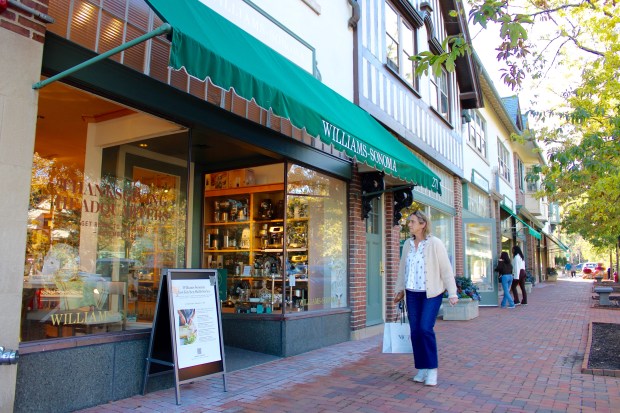
Arthur H. Miller, an architectural historian, remarked that Lake Forest maintains its distinction through careful stewardship. He cited the revolutionary street plan by Almerin Hotchkiss in 1857 and Market Square, which adhered to the Burnham plan, as examples of integrated preservation and development.
For Lake Forest, preservation isn’t about transforming history into a museum. Residents have continuously chosen to uphold community identity through dedication and vision. This careful stewardship ensures places of historical significance continue to adapt and thrive in contemporary life.
 Ana Navarro Declines Meeting with Trump on ‘The View’
 Dance Theatre of Harlem Returns with a Vibrant Performance
 Artistic Legacy of Jackson Pollock and Lee Krasner
 The Impact of AI on Writers and Publishing
 Bayeux Tapestry Exhibition Draws Crowds in England
 Exploring the Museum of Bad Art