
Demand for Meta Platforms’ Muse AI assistant is increasing, revitalizing interest in artificial intelligence before the company’s Connect conference. This event aims to demonstrate advancements in AI, smart glasses, and virtual reality.
Counting AI-created or eliminated jobs provides only part of its economic impact. Equally crucial is job transformation: reductions in tedious tasks, skill developments, or career advancement opportunities. Speeding up tasks is beneficial, but enhancing job quality is distinct.
The American Job Quality Study, by Jobs for the Future, The Families and Workers Fund, and Gallup, reveals that 63% of U.S. employees using AI claim it speeds up task completion. Approximately 46% note quality improvements in their work, while 47% enjoy spending more time on engaging tasks. Faster task completion opens up new possibilities, depending on employer decisions regarding rewarding and educational opportunities.
AI usage and its benefits are unevenly distributed. About 40% of college graduates utilize AI weekly, unlike only 17% of non-degree holders. Managers use AI more often than individual contributors. Regular users often occupy jobs rated highly on job-quality criteria, compared to 32% who never use AI. However, the availability of quality jobs isn’t solely AI-related, as educated employees and managers typically get these roles. Remote workers mainly harness AI’s benefits, indicating potential disparities in access.
There’s a need to broaden AI usage opportunities among less technologically experienced employees. Work conditions play a role, with some jobs lacking digital tools or clear AI usage chances. Methodical responses should acknowledge these differences without enforcing universal adoption rates across various roles.
The key is not merely widespread AI usage but its role in boosting companies’ output and whether these gains benefit employees as well. A study co-authored with Bureau of Economic Analysis economists shows industries in states with high AI usage reported stronger output growth, particularly since 2020. While employment growth linked to AI use shows less precise estimates, it remains significant.
An essential aspect is how workplaces can reorganize for mutual benefits from AI. Another study involving over 30,000 employees within the Gallup Workforce Panel highlights that organizations with clear AI strategies encourage frequent use, irrespective of demographics. Trust in leadership among frequent AI users correlates with reported productivity increases, emphasizing the importance of communication and trust alongside technology, not as afterthoughts.
Thirty-one percent of AI users experience increased responsibilities. This can offer new opportunities or result in more tasks without added authority or pay. Furthermore, 52% of employees feel they lack influence over technology adoption decisions.
Employers should address this by consulting staff before task changes to determine automation needs and preserve vital human judgment. Providing paid time for learning and testing new tools within actual tasks is advisable. Clarity on permitted AI uses, checks for outputs, and evolving responsibilities can inspire safe experimentation. Training should extend beyond initial AI testers to frontline workers. Employees should freely report issues or question new tech uses without facing resistance labels.
Employees are noting AI-related time savings, yet only human-driven decisions determine how to enhance job quality, learning opportunities, and reward systems in AI adoption.
— Christos A. Makridis is an associate research professor at Arizona State University and a senior researcher at Gallup. © 2026 Nexstar Media Inc. All rights reserved. This material is subject to copyright protection and redistribution restrictions.
 Choosing the Best LED Light Bulbs: A Comprehensive Guide
  Strategies to Reclaim Focus in the Digital Age
  Michigan Senate Candidate Proposes AI Development Freeze
  Trump’s Push for ‘Super Intelligence’ Gains Some Silicon Valley Support
  Elon Musk Supports GOP Ahead of Midterms
 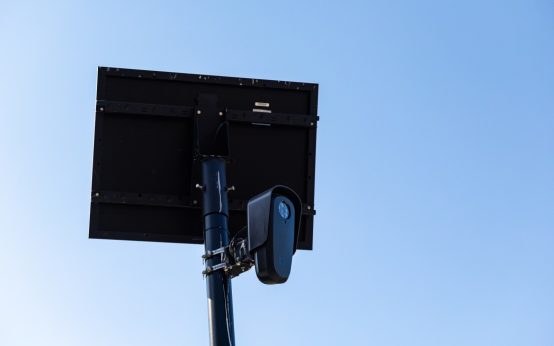 Cities Grapple with Flock Safety’s License Plate-Reading Cameras